 Call
Call Patient Reports
Best Meniscus Repair Surgery Hospital with Advanced Care
Meniscus Repair Surgery at Medicover Hospitals is performed using advanced arthroscopic techniques by our skilled orthopaedic surgeons with qualifications like MS and DNB. This minimally invasive approach ensures smaller incisions and typically results in a shorter hospital stay for patients across India.
Expert Surgeons
Yearly Surgeries
Patient Satisfaction
What is Meniscus Repair Surgery?
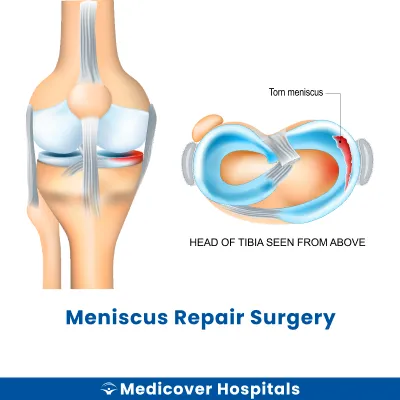
Meniscus Repair Surgery is a procedure to fix a torn meniscus, which is a C-shaped cartilage in the knee. The meniscus acts as a cushion between the thighbone (femur) and shinbone (tibia). This surgery aims to preserve the meniscus and restore knee function. It involves stitching the torn pieces back together to promote natural healing.
This surgery is needed when the meniscus is torn due to injury or degeneration. Common causes include sports injuries or age-related wear and tear. If left untreated, a torn meniscus can lead to pain, swelling, and knee instability. Modern surgical approaches include arthroscopic surgery, which uses small incisions and a camera for precision. These techniques help in faster recovery and less scarring.
Meniscus Repair Surgery Doctors Near You
Discover skilled orthopedics for meniscus repair surgery at Medicover Hospitals across India. Choose your city and book a consultation to explore treatment options tailored to your needs.
Why Choose Medicover Hospitals for Meniscus Repair Surgery?
Get a second opinion from trusted experts and makeconfident, informed decisions.
 Get Second Opinion
Complete Guide To Meniscus Repair Surgery
Everything you need to know about the procedure, preparation, and recovery
Meniscus Repair Surgery Indications
Doctors recommend meniscus repair surgery when the knee's meniscus is torn and symptoms persist despite conservative treatments. This procedure is often chosen to restore knee function and alleviate pain.
Persistent Knee Pain
Patients often experience ongoing knee pain that does not improve with rest, ice, or medication. On examination, there may be tenderness along the joint line. If pain persists despite physical therapy, surgery may be necessary.
Swelling and Stiffness
Swelling and stiffness in the knee can occur after a meniscus tear. These symptoms may limit movement and cause discomfort. If they do not resolve with conservative measures like anti-inflammatory medications, surgery might be indicated.
Locking of the Knee
Some patients report the knee getting stuck or locked in a position. This can be due to a torn fragment interfering with joint movement. Imaging tests may show a displaced tear, and surgery is often recommended if locking persists.
Instability
Patients may feel their knee is unstable or giving way during activities. Physical examination may reveal joint laxity. If strengthening exercises do not improve stability, surgical intervention might be required.
Failure of Conservative Treatment
When symptoms such as pain, swelling, or limited motion do not improve with non-surgical treatments like physiotherapy or bracing, doctors may suggest meniscus repair surgery to address the underlying issue.
How to Prepare for Meniscus Repair Surgery?
Proper preparation for meniscus repair surgery helps ensure a smooth procedure and recovery. It minimises risks and enhances the healing process.
- Medication Review: Stop NSAIDs, anticoagulants, and herbal supplements 7 days before surgery.
- Fasting Guidelines: Fast for at least 8 hours before the surgery as anaesthesia is used.
- Clothing Choice: Wear loose, comfortable clothing on the day of surgery for easy dressing post-procedure.
- Transportation: Arrange for someone to drive you home after the surgery as you may feel drowsy.
- Medication List: Bring a list of your current medications with dosages to the hospital.
- Pre-Surgery Exercises: Perform any recommended knee exercises to strengthen muscles around the joint.
- Home Preparation: Set up a comfortable recovery area with necessary supplies within easy reach.
- Health Check: Inform your doctor of any recent illnesses or changes in health before the surgery.
Meniscus Repair Surgery (Step-by-Step)
Meniscus repair surgery is performed by orthopaedic surgeons. It typically lasts between 1 to 2 hours. The procedure is usually done under general or regional anaesthesia.
- Preparation: The patient is positioned on the operating table. Anaesthesia is administered to ensure comfort during the procedure.
- Incision: Small incisions, about 1-2 cm, are made around the knee. These allow the surgeon to insert surgical instruments.
- Arthroscopic Examination: An arthroscope, a small camera, is inserted through one of the incisions. This provides a clear view of the knee joint on a monitor.
- Repair Process: Using instruments like a curette or coblation wand, the surgeon repairs the torn meniscus. Sutures or anchors may be used to secure the meniscus in place.
- Closure: Once the repair is complete, the instruments are removed. The incisions are closed with sutures or surgical tape.
- Recovery: The patient is moved to a recovery area. They are monitored as the anaesthesia wears off. Pain management and post-operative care instructions are provided.
Who Performs Meniscus Repair Surgery?
Meniscus repair surgery is performed by orthopaedic surgeons. These specialists are trained in diagnosing and treating conditions related to the musculoskeletal system. They use their expertise to restore knee function and alleviate pain.
Recovery After Meniscus Repair Surgery
Recovery from meniscus repair surgery involves a gradual return to normal activities. It is important to follow your doctor's advice to ensure proper healing. Expect some swelling and discomfort initially, but these should improve over time.
Day 1-3:
- Rest and elevate the leg to reduce swelling.
- Apply ice packs as recommended.
- Begin gentle range-of-motion exercises if advised by your doctor.
- Stick to a light diet including curd, dal-rice, and soups to aid digestion.
Day 4-7:
- Continue with prescribed physiotherapy exercises.
- Gradually increase walking with the aid of crutches.
- Include soft foods like khichdi and moong dal in your diet.
- Avoid putting full weight on the affected leg.
Week 2-4:
- Increase activity levels as tolerated, following physiotherapist's guidance.
- Begin partial weight-bearing exercises.
- Return to work or school may be possible, depending on your job's physical demands.
- Maintain a balanced diet with plenty of fluids and fibre-rich foods.
Week 5-8:
- Focus on strengthening exercises and improving flexibility.
- Gradually resume normal activities, avoiding high-impact sports.
- Consult your doctor before returning to sports or strenuous activities.
When to Seek Urgent Help:
- Severe pain or swelling that does not improve.
- Fever or signs of infection at the surgical site.
- Inability to move the knee or bear weight.
Benefits of Meniscus Repair Surgery
Meniscus repair surgery can help restore knee function and alleviate pain. It is often considered for those with a torn meniscus who wish to regain mobility.
- Pain Relief: Reduces knee pain by repairing the torn meniscus.
- Improved Mobility: Enhances knee movement and flexibility.
- Joint Preservation: Aims to preserve the knee joint by repairing rather than removing the meniscus.
- Faster Recovery: Offers a quicker return to daily activities compared to more invasive procedures.
Risks and Complications of Meniscus Repair Surgery
While meniscus repair surgery is generally safe, it carries some risks and potential complications. Understanding these can help in making an informed decision.
- Infection (Common): Risk of infection at the surgical site.
- Stiffness (Common): Possible knee stiffness post-surgery.
- Blood Clots (Rare): Formation of blood clots in the leg.
- Nerve Damage (Rare): Potential for nerve injury during the procedure.
- Re-tear (Common): Risk of the meniscus tearing again.
- Swelling (Common): Post-operative swelling in the knee area.
Cost of Meniscus Repair Surgery
The cost of Meniscus Repair Surgery at Medicover Hospitals varies based on the ward category chosen. The price range is from Rs. 425,500 to Rs. 680,800. This variation ensures that patients can select a ward type that best suits their needs and budget.
We offer transparent pricing with support for insurance and TPA, including CGHS, ESI, and major TPAs. A cashless facility is also available for a hassle-free experience. Please contact the hospital for the latest insurance panel details as these may change periodically.
Frequently Asked Questions
1. How much does Meniscus Repair Surgery cost?
The cost of Meniscus Repair Surgery at Medicover Hospitals ranges from Rs.425500 to Rs.680800, depending on room type and other factors.
2. Is Meniscus Repair Surgery covered by insurance?
Meniscus Repair Surgery may be covered by CGHS, ESI, and major TPAs. Please contact the hospital for current panel details.
3. Can I bend my knee after meniscus repair?
Bending your knee is typically restricted for a few weeks post-surgery. Follow your physiotherapist's guidance for a safe recovery.
4. Will I need crutches after meniscus surgery?
Yes, crutches are often recommended for several weeks to aid in recovery. They help reduce weight-bearing stress on the knee.
5. What foods aid recovery after meniscus repair?
Consume protein-rich foods like dal-rice and curd to support healing. Nutrients from these foods can promote tissue repair.
6. Can meniscus tears recur after surgery?
While surgery repairs the tear, future injuries can still occur. Proper rehabilitation and knee protection are essential to prevent recurrence.
7. How soon can I return to sports post-surgery?
Returning to sports typically takes 3-6 months, depending on recovery progress. Consult your doctor for personalised advice.
8. What is the recovery time for a meniscus repair?
Recovery from Meniscus repair usually takes about 3 to 6 months, as the meniscus needs time to heal properly. Return to sports or strenuous activity may take longer, depending on rehabilitation progress.
9. Can you walk after a meniscus repair surgery?
Yes, you can usually walk after Meniscus repair, but often with crutches for a few weeks to protect the knee. Weight-bearing is gradually increased based on your surgeon’s advice.
10. Why is meniscus surgery so painful?
Pain after Meniscus repair is mainly due to inflammation, swelling, and the healing of the repaired tissue inside the knee joint. The discomfort is temporary and improves with proper pain control and physiotherapy.


