 Call
Call Patient Reports
Medical Termination of Pregnancy Procedure at Medicover Hospitals
At Medicover Hospitals, our skilled gynecologists, holding qualifications like MS, DNB, and FMAS, perform medical termination of pregnancy using advanced laparoscopic techniques. This approach ensures smaller incisions and reduced blood loss, contributing to a shorter hospital stay for patients across India.
Expert Surgeons
Yearly Surgeries
Patient Satisfaction
What is Medical Termination of Pregnancy?
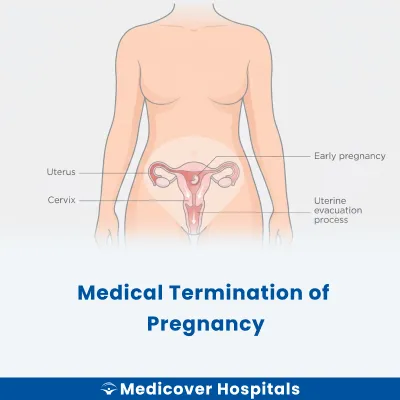
Medical Termination of Pregnancy (MTP) is a procedure to end a pregnancy. It involves removing the embryo or fetus from the uterus (womb). This is done using medications or surgical methods. MTP is a safe and legal option for women who choose not to continue their pregnancy.
MTP is needed for various reasons. It may be due to health risks to the mother or fetal abnormalities. Unplanned pregnancies can also lead to this decision. If left untreated, certain conditions can pose serious health risks. Modern surgical approaches include vacuum aspiration and dilation and curettage (D&C). These methods are effective and widely used. Always consult a healthcare professional for guidance.
Medical Termination of Pregnancy Doctors Near You
Find experienced gynecologists for medical termination of pregnancy at Medicover Hospitals across India. Choose your city and book a consultation to discuss your needs and options.
Why Choose Medicover Hospitals for Medical Termination of Pregnancy?
Get a second opinion from trusted experts and makeconfident, informed decisions.
 Get Second Opinion
Complete Guide To Medical Termination Of Pregnancy
Everything you need to know about the procedure, preparation, and recovery
Medical Termination of Pregnancy procedure Indications
Doctors may recommend a Medical Termination of Pregnancy (MTP) when continuing the pregnancy poses risks to the mother or the fetus. It is considered when specific medical conditions or complications arise during pregnancy.
Severe Fetal Abnormalities
When prenatal tests reveal significant fetal abnormalities, such as severe genetic disorders, doctors may suggest MTP. These abnormalities might be incompatible with life or lead to profound disability. In such cases, MTP is considered after detailed imaging and genetic testing.
Maternal Health Risks
If a pregnant woman experiences severe health issues like heart disease or kidney failure, continuing the pregnancy may endanger her life. Doctors assess these risks through clinical evaluations and lab tests. When conservative management fails, MTP may be recommended to protect the mother's health.
Uncontrolled Bleeding
Excessive vaginal bleeding during pregnancy can be a sign of complications like placental issues. If bleeding is severe and does not respond to medical management, doctors may advise MTP to prevent further health deterioration.
Severe Pre-eclampsia
In cases of severe pre-eclampsia, characterized by high blood pressure and organ dysfunction, MTP might be necessary. Symptoms include severe headaches and vision changes. If medication does not control the condition, MTP may be the safest option.
Intrauterine Fetal Demise
When fetal death occurs in the womb, confirmed by ultrasound, MTP is often recommended. This is to prevent complications for the mother, such as infection or blood clotting disorders, if the fetus is not expelled naturally.
How to Prepare for Medical Termination of Pregnancy?
Proper preparation is crucial for a smooth and safe medical termination of pregnancy. It helps minimise risks and ensures a quicker recovery.
- Medication Review: Stop NSAIDs, anticoagulants, and herbal supplements as advised by your doctor.
- Fasting: If sedation is used, do not eat or drink for at least 6 hours before the procedure.
- Clothing: Wear loose, comfortable clothing on the day of the procedure for ease and comfort.
- Transport: Arrange for someone to drive you home after the procedure as you may feel drowsy.
- Medication List: Bring a list of all medications you are currently taking, including dosages.
- Emotional Support: Consider having a friend or family member accompany you for emotional support.
- Pre-Procedure Instructions: Follow any specific instructions given by your healthcare provider regarding the procedure.
- Rest: Ensure you have a comfortable place to rest at home post-procedure.
Medical Termination of Pregnancy procedure (Step-by-Step)
Overview: This procedure is performed by gynecologists. It typically takes a few hours. Local or general anaesthesia may be used.
- Consultation and Assessment: The gynecologist evaluates the patient's health and confirms the pregnancy duration through an ultrasound.
- Pre-procedure Preparation: The patient is informed about the procedure, risks, and aftercare. Consent is obtained. Fasting may be required if general anaesthesia is planned.
- Administration of Anaesthesia: Local or general anaesthesia is administered to ensure comfort. The patient may feel drowsy or numb.
- Dilation of the Cervix: The cervix is gently dilated using a series of rods or medication. The patient may feel slight pressure or cramping.
- Removal of Pregnancy Tissue: A suction device or curette is used to remove the pregnancy tissue. The patient might experience mild discomfort or cramping.
- Post-procedure Monitoring: The patient is monitored for a short period to ensure stability. Pain relief medication may be provided if needed.
- Discharge and Aftercare Instructions: The patient receives guidance on rest, medication, and signs of complications. Follow-up appointments are scheduled.
Who Performs Medical Termination of Pregnancy procedure?
This procedure is performed by & Obstetrician & Gynaecologist's& who are trained in reproductive health. They ensure the procedure is conducted safely and provide necessary aftercare instructions.
Recovery After Medical Termination of Pregnancy procedure
After a medical termination of pregnancy, it's important to focus on rest and recovery. You may experience cramping and bleeding similar to a heavy period. Here's a general timeline to guide you through the recovery process.
Day 1-2:
- Rest as much as possible. Avoid strenuous activities.
- Expect bleeding and cramping. Use sanitary pads, not tampons.
- Stay hydrated and eat light meals like curd rice or moong dal soup.
Day 3-5:
- Bleeding may continue but should gradually lessen.
- Introduce light activities as you feel comfortable.
- Include nutritious foods like dal-rice and khichdi in your diet.
Day 6-7:
- Most women can resume normal activities, including work or school.
- Continue to avoid heavy lifting and intense exercise.
- Focus on a balanced diet with plenty of fluids and soups.
Week 2:
- Bleeding should be minimal or stopped. If not, consult your doctor.
- Gradually return to your regular exercise routine.
- Maintain a healthy diet to support recovery.
When to Seek Urgent Help:
- Severe abdominal pain not relieved by painkillers.
- Heavy bleeding soaking more than two pads per hour.
- Fever over 100.4°F (38°C) or foul-smelling discharge.
Benefits of Medical Termination of Pregnancy procedure
Medical Termination of Pregnancy (MTP) is a safe and effective way to end an early pregnancy. It offers several benefits for women seeking this option.
- Non-Invasive: MTP does not require surgery, reducing the need for anaesthesia and hospital stay.
- Privacy: The procedure can often be done at home, allowing for greater privacy and comfort.
- Early Intervention: MTP can be performed in the early weeks of pregnancy, which is generally safer.
- Quick Recovery: Most women can resume normal activities within a few days.
Risks and Complications of Medical Termination of Pregnancy procedure
While MTP is generally safe, it is important to be aware of potential risks and complications.
Common Risks
- Cramping and bleeding are expected and usually subside within a few days.
- Nausea and vomiting may occur due to medication.
Rare Risks
- Incomplete abortion may require additional medical intervention.
- Infection is possible but can be treated with antibiotics.
- Heavy bleeding may require medical attention.
- Allergic reactions to medications can occur.
Cost of Medical Termination of Pregnancy procedure
The cost of a Medical Termination of Pregnancy procedure at Medicover Hospitals ranges from ₹2,000 to ₹10,000, depending on the ward category. Prices vary based on the type of accommodation chosen, ensuring transparent pricing for all patients. We offer insurance and TPA support, accepting CGHS, ESI, and major TPAs, along with a cashless facility for your convenience. Please contact the hospital for the latest insurance panel details as these may change periodically.
Frequently Asked Questions
1. How much does Medical Termination of Pregnancy procedure cost at Medicover Hospitals?
The cost ranges from ₹2000 to ₹10,000 across Medicover Hospitals, depending on the type of care and additional procedures involved.
2. Is Medical Termination of Pregnancy procedure covered under health insurance at Medicover?
Many insurance plans, including CGHS and ESI, may cover this procedure. Please contact the hospital for current panel details.
3. Will I experience hormonal changes after MTP?
Hormonal changes are minimal after a Medical Termination of Pregnancy. Most women do not experience significant hormonal shifts post-procedure.
4. Can I conceive again after MTP?
Yes, you can conceive again after a Medical Termination of Pregnancy. It's advisable to consult your doctor about the appropriate time to try again.
5. What should I eat after MTP for recovery?
Consume light and nutritious meals like dal-rice, khichdi, and curd. These foods aid in recovery and help maintain energy levels.
6. Will I have heavy bleeding after MTP?
Some bleeding is expected after a Medical Termination of Pregnancy. If bleeding is excessively heavy or prolonged, consult your doctor immediately.
7. Can I resume work immediately after MTP?
It's recommended to rest for a few days after the procedure. Consult your doctor for advice on when to safely resume work.


