 Call
Call Patient Reports
Best Hospital for Medical Termination of Pregnancy with Laparoscopic Tubal Sterilization with Advanced Gynecology Care
At Medicover Hospitals, our gynecologists, holding qualifications like MS, DNB, and FMAS, perform medical termination of pregnancy with laparoscopic tubal sterilization. This minimally invasive approach results in smaller incisions and typically leads to a shorter hospital stay for patients across India.
Expert Surgeons
Yearly Surgeries
Patient Satisfaction
What is Medical Termination of Pregnancy With Laparoscopic Tubal Sterilization?
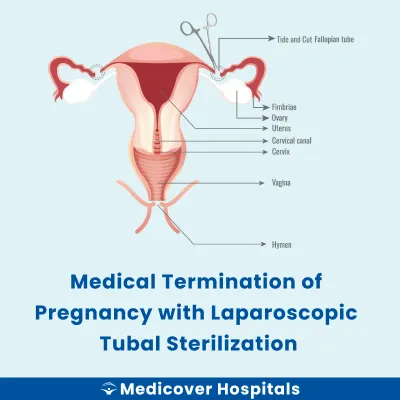
Medical termination of pregnancy with laparoscopic tubal sterilization is a procedure that involves ending a pregnancy and permanently preventing future pregnancies. The uterus (womb) is the organ where the pregnancy is terminated. Laparoscopic tubal sterilization involves blocking or sealing the fallopian tubes (tubes connecting the ovaries to the uterus) to prevent eggs from reaching the uterus.
This surgery is needed for women who wish to end a pregnancy and simultaneously opt for permanent contraception. Conditions such as unintended pregnancy or health risks to the mother may lead to this decision. If untreated, unintended pregnancies can continue to term. Modern surgical approaches include minimally invasive techniques like laparoscopy, which involve small incisions and quicker recovery.
Medical Termination of Pregnancy With Laparoscopic Tubal Sterilization Doctors Near You
Find experienced gynecologists for medical termination of pregnancy with laparoscopic tubal sterilization at Medicover Hospitals across India. Choose your city and book a consultation today for expert care.
Why Choose Medicover Hospitals for Medical Termination of Pregnancy With Laparoscopic Tubal Sterilization?
Get a second opinion from trusted experts and makeconfident, informed decisions.
 Get Second Opinion
Complete Guide To Medical Termination Of Pregnancy With Laparoscopic Tubal Sterilization
Everything you need to know about the procedure, preparation, and recovery
Medical Termination of Pregnancy with Laparoscopic Tubal Sterilization Surgery Indications
Doctors may recommend medical termination of pregnancy with laparoscopic tubal sterilization for women seeking to end a pregnancy while also opting for permanent contraception. This procedure is often advised when certain medical conditions or personal circumstances make continuing the pregnancy unfeasible.
Unplanned Pregnancy with Desire for Permanent Contraception
Women experiencing an unplanned pregnancy who have decided not to continue it may also wish to prevent future pregnancies. Doctors may recommend this procedure when a woman expresses a clear desire for permanent contraception. Examination confirms the pregnancy, and the patient is counseled about the irreversible nature of sterilization.
Severe Maternal Health Conditions
Conditions like severe hypertension or heart disease can pose risks during pregnancy. Symptoms such as persistent high blood pressure or heart complications may lead a doctor to advise termination. When medical management fails to stabilize the condition, surgery becomes necessary.
Fetal Anomalies
Ultrasound or genetic testing may reveal significant fetal abnormalities. If these findings indicate a poor prognosis, doctors might suggest termination. The decision is often made after thorough counseling and when continuing the pregnancy poses emotional or physical challenges.
Failed Contraception
Some women may become pregnant despite using contraception. If they decide against continuing the pregnancy and prefer not to risk future contraceptive failures, doctors may recommend this combined procedure. Examination confirms the pregnancy, and discussions about future family planning are held.
Psychosocial Factors
In cases where continuing a pregnancy may lead to severe emotional or social distress, doctors might consider termination. Symptoms of anxiety or depression, coupled with challenging personal circumstances, can lead to this recommendation. Counseling ensures the decision aligns with the patient's long-term well-being.
How to Prepare for Medical Termination of Pregnancy with Laparoscopic Tubal Sterilization?
Proper preparation is crucial for a smooth procedure and recovery. It ensures safety and reduces complications during medical termination of pregnancy with laparoscopic tubal sterilization.
- Medication Review: Stop NSAIDs, anticoagulants, and herbal supplements 7 days prior. Consult your doctor for guidance.
- Fasting Guidelines: Fast for at least 8 hours before the procedure. This is essential for general anaesthesia.
- Bowel Preparation: Follow any specific bowel prep instructions given by your doctor to ensure a clear surgical field.
- Comfortable Clothing: Wear loose-fitting clothes on the day of the procedure for comfort post-surgery.
- Transportation: Arrange for someone to drive you home after the procedure, as you may feel drowsy from anaesthesia.
- Medication List: Bring a list of all medications you take, including dosages, for the medical team to review.
- Pre-Surgery Consultation: Attend all pre-surgery appointments to discuss any concerns and understand the procedure.
- Emotional Support: Consider talking to a counsellor or support group if you feel anxious about the procedure.
Medical Termination of Pregnancy with Laparoscopic Tubal Sterilization Surgery (Step-by-Step)
This procedure is performed by gynecologists. It typically lasts 1-2 hours and is usually done under general anaesthesia.
- Preoperative Preparation: The patient is evaluated and counselled. Necessary tests are conducted. Fasting is required for a few hours before the surgery.
- Induction of Anaesthesia: The patient is administered general anaesthesia. This ensures they are asleep and pain-free during the procedure.
- Uterine Evacuation: A curette is used to remove the pregnancy tissue from the uterus. This is done through the vaginal canal.
- Insertion of Trocar: A small incision, about 1-2 cm, is made near the navel. A trocar is inserted to create a pathway for the laparoscope.
- Laparoscopic Access: A laparoscope is inserted through the trocar. This instrument allows the surgeon to view the internal organs on a screen.
- Tubal Sterilization: Using a bipolar cautery, the fallopian tubes are sealed or cut. This prevents future pregnancies.
- Closure and Recovery: The instruments are removed, and the incisions are closed with sutures. The patient is moved to a recovery room to wake from anaesthesia.
Who Performs Medical termination of pregnancy with laparoscopic tubal sterilization Surgery?
This procedure is performed by experienced gynecologists. They are trained to handle both the termination and sterilization aspects. Their expertise ensures the procedure is conducted safely and effectively.
Recovery After Medical Termination of Pregnancy with Laparoscopic Tubal Sterilization Surgery
Recovery from this procedure involves physical and emotional healing. It's important to follow your doctor's instructions for a smooth recovery. You may experience some discomfort, but it should gradually improve.
Day 1-2:
- Rest is crucial. Avoid strenuous activities.
- Expect mild cramping and spotting.
- Stick to light meals like khichdi or moong dal soup.
Day 3-5:
- Gradually increase light activities as tolerated.
- Continue with a soft diet. Include curd and dal-rice for easy digestion.
- Monitor for any unusual symptoms.
Day 6-7:
- Most can resume normal activities, but avoid heavy lifting.
- Return to work or school if feeling comfortable.
- Maintain hydration and a balanced diet.
Week 2:
- Engage in regular activities but listen to your body.
- Include more fibre-rich foods to prevent constipation.
- Follow up with your doctor as scheduled.
When to Seek Urgent Help
- Severe abdominal pain or heavy bleeding.
- Fever or signs of infection.
- Persistent nausea or vomiting.
- Unusual discharge or foul smell.
Benefits of Medical Termination of Pregnancy with Laparoscopic Tubal Sterilization Surgery
This combined procedure offers both pregnancy termination and permanent contraception in a single surgical session.
- Efficiency: Completes two procedures at once, reducing the need for multiple surgeries.
- Recovery Time: Minimally invasive approach often leads to quicker recovery compared to open surgery.
- Permanent Contraception: Provides a reliable method of birth control, eliminating the need for future contraceptive measures.
- Reduced Hospital Stay: Laparoscopic techniques may result in shorter hospital stays.
Risks and Complications of Medical termination of pregnancy with laparoscopic tubal sterilization Surgery
While generally safe, this procedure does carry some risks and potential complications.
- Common: Infection at the surgical site can occur, requiring treatment.
- Common: Bleeding during or after the procedure may necessitate medical attention.
- Rare: Injury to surrounding organs, such as the bowel or bladder, is possible.
- Rare: Adverse reactions to anaesthesia may occur, affecting breathing or heart function.
- Rare: Ectopic pregnancy risk remains if sterilization fails.
What is the Cost of Medical Termination of Pregnancy with Laparoscopic Tubal Sterilization Surgery?
The cost for medical termination of pregnancy with laparoscopic tubal sterilization surgery at Medicover Hospitals ranges from Rs. 33,000 to Rs. 98,000. The price varies depending on the ward category chosen, such as outpatient, day care, general, or private suites.
We offer transparent pricing and support for insurance and TPA, including CGHS, ESI, and major TPAs. Cashless facilities are also available. Please contact the hospital for the latest insurance panel details as these may change periodically.
Frequently Asked Questions
1. How much does Medical termination of pregnancy with laparoscopic tubal sterilization surgery cost at Medicover Hospitals?
The cost ranges from Rs. 33,000 to Rs. 98,000 across Medicover Hospitals, depending on the type of accommodation and care required.
2. Is Medical termination of pregnancy with laparoscopic tubal sterilization surgery covered under health insurance at Medicover?
This surgery may be covered under CGHS, ESI, and major TPAs with cashless options. Please contact the hospital for current panel details.
3. Will I experience hormonal changes after this surgery?
No significant hormonal changes occur as the ovaries are not involved. This procedure focuses on the fallopian tubes.
4. Can I conceive naturally after this procedure?
Natural conception is not possible as the fallopian tubes are sealed during the procedure, preventing pregnancy.
5. How soon can I resume normal activities post-surgery?
Most patients can resume normal activities within a week. However, avoid heavy lifting for at least two weeks.
6. Will I experience pain during recovery?
Mild discomfort or cramping is common but manageable with medication. Consult your doctor if pain persists.
7. Is there a risk of ectopic pregnancy after this procedure?
Ectopic pregnancy risk is rare but possible if the procedure fails. Regular follow-ups help monitor any complications.


