 Call
Call Patient Reports
Mediastinal Solitary Fibrous Tumor Resection Surgery by Expert Ctvs Surgeon
At Medicover Hospitals, our CTVS specialists, holding qualifications like MS, DNB, and MCh, perform open Mediastinal Solitary Fibrous Tumor Resection. This approach ensures precise removal of tumors. Patients benefit from shorter hospital stays and reduced recovery times, enhancing overall treatment experience.
Expert Surgeons
Yearly Surgeries
Patient Satisfaction
What is Mediastinal Solitary Fibrous Tumor Resection?
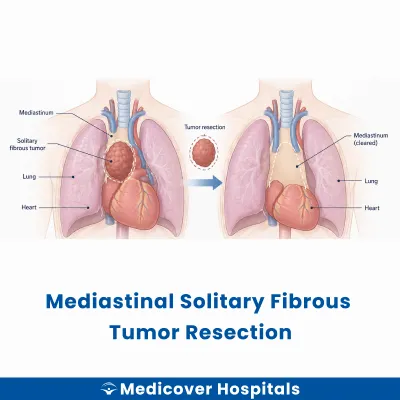
Mediastinal Solitary Fibrous Tumor Resection is a surgical procedure to remove a solitary fibrous tumor from the mediastinum. The mediastinum is the central part of the chest cavity, located between the lungs. This area houses vital organs like the heart, trachea, and esophagus. A solitary fibrous tumor is a rare growth that can be benign (non-cancerous) or malignant (cancerous).
This surgery is needed when the tumor causes symptoms or has the potential to become cancerous. Conditions like breathing difficulties, chest pain, or pressure on nearby organs may lead to this procedure. If untreated, the tumor can grow and affect organ functions. Modern surgical approaches include video-assisted thoracoscopic surgery (VATS) and robotic-assisted surgery, which are minimally invasive techniques.
Mediastinal Solitary Fibrous Tumor Resection Doctors Near You
Discover expert CTVS-cardiothoracic-and-vascular-surgery for mediastinal solitary fibrous tumor resection at Medicover Hospitals. Choose your city and book a consultation today to explore your treatment options.
Why Choose Medicover Hospitals for Mediastinal Solitary Fibrous Tumor Resection?
Get a second opinion from trusted experts and makeconfident, informed decisions.
 Get Second Opinion
Complete Guide To Mediastinal Solitary Fibrous Tumor Resection
Everything you need to know about the procedure, preparation, and recovery
Mediastinal Solitary Fibrous Tumor Resection Surgery Indications
Mediastinal solitary fibrous tumor resection is recommended when the tumor causes symptoms or shows signs of growth. Doctors may suggest surgery to prevent complications and improve the patient's quality of life.
Persistent Chest Pain
Patients may experience ongoing chest pain due to the pressure of the tumor on surrounding structures. Imaging tests like CT or MRI scans reveal the tumor's size and location. When pain management fails, surgery is considered.
Respiratory Distress
Difficulty breathing can occur if the tumor compresses the airways. This symptom is often confirmed through imaging studies showing airway obstruction. Surgery is advised when breathing becomes significantly impaired.
Progressive Tumor Growth
Regular monitoring might show an increase in tumor size. Rapid growth detected on follow-up scans can indicate the need for surgical intervention to prevent further complications.
Compression of Blood Vessels
Symptoms like swelling or changes in blood flow may arise if the tumor presses on major vessels. Imaging can confirm vessel compression. Surgery is recommended when vascular compromise is evident.
Failed Conservative Management
Initial treatments such as observation or medication may not alleviate symptoms. Persistent or worsening symptoms despite these measures lead doctors to opt for surgical resection.
Suspicion of Malignancy
If imaging or biopsy results suggest potential malignancy, surgical removal is crucial. This helps in both diagnosis and preventing the spread of cancerous cells.
How to Prepare for Mediastinal Solitary Fibrous Tumor Resection?
Proper preparation is crucial for a successful mediastinal solitary fibrous tumor resection. It helps reduce complications and ensures a smoother recovery.
- Medication Review: Inform your doctor about all medications. Stop NSAIDs, anticoagulants, and herbal supplements as advised.
- Fasting Instructions: Do not eat or drink anything for at least 8 hours before the surgery to prepare for anaesthesia.
- Pre-Surgery Tests: Complete all required tests like blood work and imaging studies as scheduled by your healthcare provider.
- Clothing: Wear loose, comfortable clothing on the day of surgery for ease of movement post-operation.
- Transportation: Arrange for someone to drive you home after the procedure as you may feel drowsy from anaesthesia.
- Medication List: Bring a list of your current medications with dosages to the hospital for reference.
- Smoking and Alcohol: Avoid smoking and alcohol for at least 24 hours before surgery to aid recovery.
- Hospital Stay: Pack essentials for an overnight stay, including toiletries and any personal items you may need.
Mediastinal Solitary Fibrous Tumor Resection Surgery (Step-by-Step)
Overview: Performed by CTVS (Cardiothoracic and Vascular Surgery) specialists, this surgery typically lasts 2-4 hours and is done under general anaesthesia.
- Preparation: The patient is positioned on the operating table. General anaesthesia is administered to ensure the patient is asleep and pain-free.
- Incision: A thoracotomy incision, usually 10-15 cm, is made in the chest to access the mediastinum. The surgeon carefully exposes the area.
- Tumor Identification: The surgeon uses imaging guidance to locate the solitary fibrous tumor within the mediastinum. This ensures precise targeting.
- Tumor Resection: Surgical instruments like a harmonic scalpel or bipolar cautery are used to excise the tumor. The surgeon meticulously separates the tumor from surrounding tissues.
- Hemostasis: Any bleeding is controlled using bipolar cautery. This ensures a clear surgical field and minimizes blood loss.
- Closure: The incision is closed in layers using sutures or staples. A chest drain may be placed to remove excess fluids.
- Recovery: The patient is moved to the recovery room. They are monitored as they wake up from anaesthesia, ensuring vital signs are stable.
Who Performs Mediastinal Solitary Fibrous Tumor Resection Surgery?
This surgery is performed by cardiothoracic surgeons. They specialise in surgeries of the chest, including the heart, lungs, and mediastinum. Their expertise ensures the safe and effective removal of mediastinal tumors.
Recovery After Mediastinal Solitary Fibrous Tumor Resection Surgery
Recovery from mediastinal solitary fibrous tumor resection surgery involves gradual healing and regaining strength. It is important to follow medical advice closely to ensure a smooth recovery process.
Day 1-3:
- Hospital stay is common. Medical staff will monitor vital signs and manage pain.
- Breathing exercises may be recommended to improve lung function.
- Start with a liquid diet, gradually moving to soft foods like soups and dal-rice.
Day 4-7:
- Discharge from the hospital is possible if there are no complications.
- Continue with light, easily digestible meals such as khichdi and moong dal.
- Engage in light activities, avoiding strenuous tasks.
Week 2-4:
- Gradually increase physical activity as tolerated. Short walks are encouraged.
- Return to a normal diet, focusing on balanced meals with curd and vegetables.
- Most can resume work or school after 3-4 weeks, depending on recovery.
Week 5-8:
- Full recovery is expected. Continue regular follow-ups with your doctor.
- Resume normal activities, but avoid heavy lifting until cleared by your doctor.
When to Seek Urgent Help:
- Fever or chills indicating possible infection.
- Severe chest pain or difficulty breathing.
- Persistent cough or unusual discharge from the surgical site.
If any of these symptoms occur, contact your healthcare provider immediately.
Benefits of Mediastinal Solitary Fibrous Tumor Resection Surgery
Mediastinal solitary fibrous tumor resection surgery aims to remove the tumor and alleviate related symptoms.
- Symptom Relief: Reduces pressure on surrounding organs, improving breathing and comfort.
- Prevention of Complications: Decreases the risk of tumor-related complications such as compression of vital structures.
- Improved Quality of Life: Enhances daily functioning by alleviating symptoms like chest pain or cough.
- Potential for Complete Removal: Offers the possibility of removing the entire tumor, reducing recurrence risk.
Risks and Complications of Mediastinal Solitary Fibrous Tumor Resection Surgery
While the surgery is generally safe, it carries certain risks and potential complications.
- Common: Bleeding during or after surgery.
- Common: Infection at the surgical site.
- Rare: Damage to surrounding organs or structures.
- Rare: Adverse reaction to anesthesia.
- Rare: Persistent pain or discomfort in the chest area.
- Rare: Respiratory complications post-surgery.
Cost of Mediastinal Solitary Fibrous Tumor Resection Surgery
The cost of Mediastinal Solitary Fibrous Tumor Resection Surgery varies starting from ₹2,50,000 - ₹6,00,000 based on the surgical approach, duration of hospital stay, room category, diagnostic tests, and post-operative care required.
At Medicover Hospitals, we offer transparent pricing and support for insurance and TPA, including CGHS, ESI, and major TPAs. A cashless facility is available for added convenience. Please contact the hospital for the latest insurance panel details as these may change periodically.
Frequently Asked Questions
1. How much does Mediastinal Solitary Fibrous Tumor Resection surgery cost at Medicover Hospitals?
The cost of Mediastinal Solitary Fibrous Tumor Resection surgery varies starting from ₹2,50,000 - ₹6,00,000 . Please contact Medicover Hospitals for detailed pricing information.
2. Is Mediastinal Solitary Fibrous Tumor Resection surgery covered under health insurance at Medicover?
Mediastinal Solitary Fibrous Tumor Resection may be covered by CGHS, ESI, and major TPAs. Please contact the hospital for current panel details.
3. Will I have breathing issues after surgery?
Breathing difficulties may occur temporarily after surgery. Consult your doctor if you experience persistent breathing problems.
4. Can I exercise after tumor resection?
Light activities can usually resume after a few weeks. Always follow your doctor's advice regarding exercise post-surgery.
5. Will I need a special diet post-surgery?
A soft diet like dal-rice or khichdi is recommended initially. Gradually reintroduce regular foods as advised by your doctor.
6. Is there a risk of tumor recurrence?
There is a possibility of recurrence, though it is rare. Regular follow-ups are essential to monitor your health.
7. How soon can I return to work?
Returning to work typically takes a few weeks. Your recovery speed and job nature will influence the exact timing.


