 Call
Call Patient Reports
Best Hospital for Median Nerve Decompression Surgery with Advanced Orthopedic & Neurology Care
At Medicover Hospitals, our neurosurgeons, with qualifications like MS and MCh, perform open Median nerve decompression. This procedure alleviates pressure on the nerve, effectively reducing symptoms. Patients benefit from shorter hospital stays and improved recovery times following the surgery.
Expert Surgeons
Yearly Surgeries
Patient Satisfaction
What is Median Nerve Decompression?
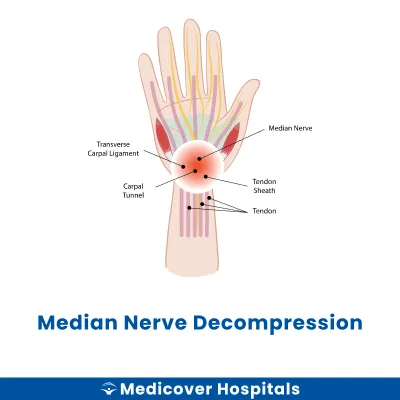
Median nerve decompression is a surgical procedure aimed at relieving pressure on the median nerve. This nerve runs through the carpal tunnel in the wrist. When compressed, it can cause pain, numbness, or tingling in the hand and fingers. The surgery involves cutting the ligament that forms the roof of the carpal tunnel, allowing more space for the nerve.
This surgery is often needed for conditions like carpal tunnel syndrome. If left untreated, the condition can lead to permanent nerve damage and muscle weakness. Modern surgical approaches for median nerve decompression include open surgery and endoscopic surgery. Both methods aim to alleviate symptoms and improve hand function.
Median Nerve Decompression Doctors Near You
Discover skilled neurosurgeons for median nerve decompression at Medicover Hospitals across India. Choose your city and book a consultation to address your nerve concerns effectively.
Why Choose Medicover Hospitals for Median Nerve Decompression?
Get a second opinion from trusted experts and makeconfident, informed decisions.
 Get Second Opinion
Complete Guide To Median Nerve Decompression
Everything you need to know about the procedure, preparation, and recovery
Median nerve decompression Surgery Indications
Doctors recommend median nerve decompression surgery when conservative treatments fail to relieve symptoms. This procedure is often considered for patients experiencing significant discomfort or functional impairment due to nerve compression.
Persistent Numbness and Tingling
Patients often report numbness and tingling in the thumb, index, and middle fingers. These symptoms may worsen at night. If physical therapy and medications do not improve the condition, surgery may be necessary.
Weakness in Hand Grip
Some patients experience a noticeable weakness in their hand grip, making it difficult to hold objects. Doctors may find reduced muscle strength during examination. Surgery is considered when exercises and splints do not restore strength.
Severe Pain in Wrist and Hand
Intense pain in the wrist and hand can interfere with daily activities. Imaging tests may show nerve compression. If pain persists despite medication and lifestyle changes, decompression surgery may be advised.
Positive Phalen's Test
During a Phalen's test, patients may feel tingling or pain when holding their wrists in a flexed position. This indicates nerve compression. Surgery is an option if symptoms do not improve with conservative measures.
Electromyography (EMG) Findings
EMG tests may reveal abnormal nerve function. Patients with these findings often have persistent symptoms. When non-surgical treatments fail, decompression surgery may be recommended.
How to Prepare for Median Nerve Decompression?
Preparing well before median nerve decompression surgery (commonly for carpal tunnel syndrome) helps ensure a smooth procedure and faster recovery. At Medicover Hospitals, preparation is guided by an experienced Orthopedic Surgeon or nerve specialist.
- Medication Review: Stop NSAIDs, anticoagulants, and herbal supplements as advised by your doctor.
- Fasting: Fast for at least 6-8 hours before the procedure if general anaesthesia is used.
- Clothing: Wear loose, comfortable clothing to the hospital for ease post-surgery.
- Transport: Arrange for someone to drive you home after the procedure.
- Medication List: Bring a list of all medications with dosages to the hospital.
- Hygiene: Bathe and clean the surgical area as instructed by your healthcare provider.
- Smoking and Alcohol: Avoid smoking and alcohol for a few days before the surgery to promote healing.
- Pre-surgery Instructions: Follow any additional instructions provided by your surgeon or healthcare team.
Median nerve decompression Surgery (Step-by-Step)
Median nerve decompression surgery is performed by experienced specialists from the Neurosurgery department. The procedure usually takes 30-60 minutes and is commonly carried out under local or regional anaesthesia.
- Preparation: The patient is positioned comfortably. The surgical area is cleaned and sterilised. Anaesthesia is administered to numb the area.
- Incision: A small incision, about 1-2 cm, is made on the wrist or palm to access the median nerve.
- Exposure: Surgical instruments like retractors are used to gently part the tissues, providing a clear view of the transverse carpal ligament.
- Decompression: Using a scalpel or a harmonic scalpel, the surgeon carefully cuts the transverse carpal ligament to relieve pressure on the median nerve.
- Inspection: The surgeon checks the nerve to ensure it is free from compression. Any additional tissue causing pressure is removed.
- Closure: The incision is closed with sutures or surgical glue. A bandage is applied to protect the area.
- Recovery: The patient is monitored for a short period before being discharged. Instructions for care and follow-up are provided.
Who Performs Median nerve decompression Surgery?
Median nerve decompression surgery is performed by a Brain surgeon or orthopedic surgeons. These specialists have expertise in nerve-related conditions and are skilled in performing delicate procedures involving the nervous system.
Recovery After Median Nerve Decompression Surgery
Recovery from median nerve decompression surgery involves gradual healing and regaining hand function. Patients can expect some swelling and discomfort initially, but these should decrease over time. Following your doctor's advice is crucial for a smooth recovery.
Day 1-3:
- Rest the hand and keep it elevated to reduce swelling.
- Apply ice packs as recommended to manage pain and swelling.
- Stick to a soft diet like curd, dal-rice, and soups to avoid strain while eating.
Day 4-7:
- Begin gentle finger movements to prevent stiffness.
- Continue with a balanced diet, including khichdi and moong dal, for energy and healing.
- Avoid lifting heavy objects or engaging in strenuous activities.
Day 8-14:
- Gradually increase hand movements as pain allows.
- Incorporate more solid foods while maintaining a nutritious diet.
- Most patients can resume light activities and return to work or school, depending on their comfort and doctor's advice.
Phase 3-6 Weeks:
- Engage in physical therapy exercises if recommended to improve strength and flexibility.
- Continue to avoid heavy lifting and repetitive hand movements.
- Follow up with your doctor to monitor recovery progress.
When to Seek Urgent Help
Contact your healthcare provider if you experience increased pain, swelling, redness, or warmth around the incision site, numbness or tingling in the hand, or any signs of infection. These could indicate complications requiring immediate attention.
Benefits of Median Nerve Decompression Surgery
Median nerve decompression surgery can offer significant relief for those suffering from carpal tunnel syndrome.
- Pain Relief: Reduces or eliminates pain associated with nerve compression.
- Improved Hand Function: Enhances grip strength and dexterity.
- Reduced Numbness: Alleviates tingling and numbness in the fingers.
- Better Sleep: Minimizes night-time symptoms, leading to improved sleep quality.
Risks and Complications of Median Nerve Decompression Surgery
While generally safe, median nerve decompression surgery carries some risks and potential complications.
- Common: Infection at the surgical site.
- Common: Temporary stiffness or swelling in the hand.
- Rare: Nerve damage leading to persistent numbness or weakness.
- Rare: Scarring that may affect hand movement.
- Rare: Recurrence of symptoms over time.
- Rare: Allergic reaction to anaesthesia.
Cost of Median Nerve Decompression Surgery
The cost of Median Nerve Decompression Surgery in India typically ranges between ₹30,000 and ₹90,000, depending on factors such as the surgical approach, duration of hospital stay, room category, required diagnostics, and post-operative care.
At Medicover Hospitals, we offer transparent pricing for all procedures. We support insurance and TPA services, including CGHS, ESI, and major TPAs, with a cashless facility available for your convenience. Please contact the hospital for the latest insurance panel details, as these may change periodically.
Frequently Asked Questions
1. How much does Median nerve decompression surgery cost at Medicover Hospitals?
The cost of Median Nerve Decompression Surgery in India typically ranges between ₹30,000 and ₹90,000, depending on the complexity of the condition, hospital stay, diagnostic tests, and post-operative care. Please contact Medicover Hospitals for detailed pricing information.
2. Is Median nerve decompression surgery covered under health insurance at Medicover?
Median nerve decompression surgery may be covered by CGHS, ESI, and major TPAs. Please contact the hospital for current panel details.
3. Will I regain full hand function after surgery?
Most patients experience improved hand function after surgery. Complete recovery may take several weeks, depending on the severity of the condition.
4. Can I drive immediately after Median nerve decompression?
Driving is not recommended immediately after surgery. It is advisable to wait until you regain full control and strength in your hand.
5. What foods help in recovery after Median nerve surgery?
Consuming protein-rich foods like dal-rice and curd can aid recovery. These foods support tissue repair and improve overall healing.
6. Will I experience numbness after the surgery?
Some numbness may persist temporarily after surgery. It usually resolves as the nerve heals over several weeks.
7. Can I return to work immediately after surgery?
Returning to work depends on the nature of your job. Desk jobs may resume in a week, but manual labour might require a longer recovery period.
8. How serious is nerve decompression surgery?
Nerve decompression surgery is considered a minor to moderate procedure, depending on the nerve involved. It is commonly performed to relieve pressure on nerves and prevent permanent damage, with generally good outcomes when done early.
9. What is the recovery time for median nerve decompression surgery?
Recovery after median nerve decompression surgery usually takes about 1 to 2 hours. The patient is monitored for a short period before being discharged and instructions for care and follow-up are provided.
10. How do you decompress the median nerve?
The median nerve is decompressed through carpal tunnel release surgery, where the surgeon cuts the transverse carpal ligament to relieve pressure on the nerve. This can be done using open surgery or minimally invasive (endoscopic) techniques.


