 Call
Call Patient Reports
Best Hospital for Meatoplasty with Advanced Urology Care
At Medicover Hospitals, our team of urologists, with qualifications like MS, DNB, and MCh, perform meatoplasty using advanced endoscopic techniques. This approach ensures smaller incisions and reduced blood loss, leading to a shorter hospital stay for patients across India.
Expert Surgeons
Yearly Surgeries
Patient Satisfaction
What is Meatoplasty?
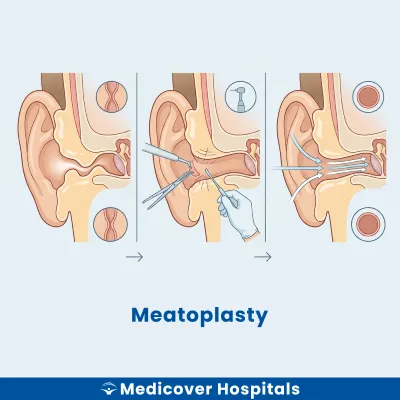
Meatoplasty is a surgical procedure involving the urethral meatus, which is the opening at the tip of the urethra. This surgery aims to widen the meatus to improve urine flow. It is often performed on individuals with a narrowed meatus (meatal stenosis), which can cause difficulty in urination.
This surgery is needed when the meatus becomes too narrow, leading to urinary issues. Conditions like meatal stenosis can cause discomfort, urinary tract infections, or bladder problems if untreated. Modern surgical approaches for meatoplasty include minimally invasive techniques and laser-assisted procedures. These methods aim to reduce recovery time and improve outcomes. Early intervention can prevent complications and improve quality of life.
Meatoplasty Doctors Near You
Discover experienced urologists at Medicover Hospitals across India. Choose your city and book a consultation to discuss meatoplasty and other urological concerns. Start your journey to better health today.
Why Choose Medicover Hospitals for Meatoplasty Surgery ?
Get a second opinion from trusted experts and makeconfident, informed decisions.
 Get Second Opinion
Complete Guide To Meatoplasty
Everything you need to know about the procedure, preparation, and recovery
Meatoplasty Surgery Indications
Doctors may recommend meatoplasty when a patient experiences issues related to the urethral opening. This procedure is often suggested when non-surgical treatments do not resolve the symptoms.
Meatal Stenosis
Patients may experience a weak urine stream, spraying, or difficulty urinating. On examination, the urethral opening appears narrowed. When dilation or other conservative treatments fail, surgery is considered.
Recurrent Urinary Tract Infections (UTIs)
Frequent UTIs can cause pain, burning during urination, and fever. Tests may show a narrowed meatus contributing to these infections. Surgery is suggested when antibiotics and other measures do not prevent recurrence.
Meatal Ulceration
Patients might notice pain or bleeding at the urethral opening. Examination reveals ulceration or irritation. If topical treatments and lifestyle changes do not heal the ulcers, surgical intervention is advised.
Obstructive Voiding Symptoms
Symptoms include straining to urinate and incomplete bladder emptying. Tests may show obstruction at the meatus. Surgery is recommended when medications and other therapies do not improve symptoms.
Congenital Abnormalities
Some children are born with a meatal opening that is too small, causing urination difficulties. If regular monitoring and non-surgical interventions do not suffice, surgery is considered necessary.
How to Prepare for Meatoplasty?
Proper preparation for meatoplasty is crucial to ensure a smooth procedure and recovery. Following these steps can help minimise risks and enhance outcomes.
- Medication Review: Stop NSAIDs, anticoagulants, and herbal supplements at least a week before surgery.
- Fasting Guidelines: Fast for at least 6-8 hours before the procedure, as general anaesthesia is typically used.
- Pre-Surgery Hygiene: Bathe thoroughly on the day of the surgery to reduce infection risk.
- Comfortable Clothing: Wear loose, comfortable clothing on the day of the surgery for ease of changing and comfort post-procedure.
- Transportation Arrangements: Arrange for someone to drive you home after the surgery, as you may feel drowsy from anaesthesia.
- Medication List: Bring a list of all medications you're taking, including dosages, for the medical team to review.
- Pre-Operative Instructions: Follow any specific instructions given by your surgeon, such as nasal sprays or other preparations.
- Rest and Relaxation: Ensure you get a good night's sleep before the surgery to help your body prepare.
Meatoplasty Surgery (Step-by-Step)
Overview: Meatoplasty is performed by urologists. The procedure typically lasts 30 to 60 minutes. It is usually done under local anaesthesia, but general anaesthesia may be used in some cases.
- Preparation: The patient is positioned comfortably. Local or general anaesthesia is administered to ensure the patient feels no pain during the procedure.
- Incision: A small incision, usually 1-2 cm, is made at the tip of the urethra. This helps in accessing the area that needs correction.
- Tissue Removal: Excess tissue causing the narrowing is carefully removed using a curette or a harmonic scalpel. This step widens the urethral opening.
- Reshaping: The edges of the incision are reshaped and repositioned to create a more natural and functional opening.
- Suturing: The incision is closed with fine sutures. These sutures are usually absorbable, so they do not need removal later.
- Final Inspection: The area is inspected to ensure proper alignment and function. Any adjustments are made if necessary.
- Recovery: The patient is moved to a recovery area. They are monitored as the anaesthesia wears off. Instructions for care and follow-up are provided.
Who Performs Meatoplasty Surgery?
Meatoplasty is performed by urologists. These specialists are trained in surgeries involving the urinary tract and male reproductive organs. They ensure the procedure is done safely and effectively.
Recovery After Meatoplasty Surgery
Recovery after meatoplasty surgery involves careful attention to hygiene and gradual resumption of daily activities. Most patients can expect a smooth recovery with proper care and follow-up.
Day 1-3:
- Rest is crucial. Avoid strenuous activities.
- Keep the surgical area clean and dry.
- Follow prescribed pain management and antibiotic regimen.
- Consume soft, easy-to-digest foods like curd, dal-rice, and soups.
Day 4-7:
- Gradually increase light activities as tolerated.
- Continue with a soft diet, including khichdi and moong dal.
- Monitor for any signs of infection or unusual discomfort.
Day 8-14:
- Most patients can resume work or school, depending on comfort.
- Engage in regular activities but avoid heavy lifting or intense exercise.
- Maintain a balanced diet to support healing.
Phase 3 (Week 3-4):
- Normal activities can usually be resumed.
- Continue to monitor the surgical site for any changes.
- Follow up with your doctor as advised.
When to Seek Urgent Help
- Severe pain not relieved by medication.
- Excessive bleeding or discharge from the surgical site.
- High fever or signs of infection such as redness and swelling.
Contact us if you are experience any of these symptoms.
Benefits of Meatoplasty Surgery
Meatoplasty is a surgical procedure aimed at widening the urethral opening to improve urine flow. It offers several benefits for patients experiencing urinary issues.
- Improved Urine Flow: Enhances the ability to pass urine comfortably and efficiently.
- Reduced Urinary Tract Infections: Decreases the risk of infections by facilitating complete bladder emptying.
- Alleviation of Discomfort: Reduces pain and discomfort associated with a narrow urethral opening.
- Enhanced Quality of Life: Improves daily activities by resolving urinary difficulties.
Risks and Complications of Meatoplasty Surgery
While meatoplasty can be beneficial, it is important to be aware of potential risks and complications. Understanding these can help in making informed decisions.
- Bleeding at the surgical site.
- Swelling or bruising in the operated area.
- Infection requiring further treatment.
- Scarring that may necessitate additional procedures.
- Narrowing of the urethra over time.
- Adverse reaction to anaesthesia.
What is the Cost of Meatoplasty Surgery?
The cost of Meatoplasty Surgery at Medicover Hospitals varies depending on the ward category chosen. Prices range from Rs. 10,180 to Rs. 18,090. This ensures that patients can select an option that suits their budget and needs. We offer transparent pricing and support for insurance and TPA, including CGHS, ESI, and major TPAs. Cashless facilities are available for added convenience. Please contact the hospital for the latest insurance panel details as these may change periodically.
Frequently Asked Questions
1. How much does Meatoplasty surgery cost at Medicover Hospitals?
The cost of Meatoplasty surgery at Medicover Hospitals ranges from Rs. 10,180 to Rs. 18,090 depending on the type of accommodation chosen.
2. Is Meatoplasty surgery covered under health insurance at Medicover?
Meatoplasty surgery may be covered by CGHS, ESI, and major TPAs with cashless options. Please contact the hospital for current panel details.
3. Will I have difficulty urinating after Meatoplasty?
Some patients may experience temporary difficulty urinating after Meatoplasty. This usually resolves as healing progresses.
4. Can I swim after Meatoplasty surgery?
Swimming should be avoided for at least 4 weeks after Meatoplasty surgery. Consult your doctor before resuming swimming activities.
5. Is there a risk of infection after Meatoplasty?
There is a risk of infection following Meatoplasty, as with any surgery. Proper wound care and hygiene can help minimise this risk.
6. Will my child need a catheter after Meatoplasty?
A catheter may be temporarily required after Meatoplasty to aid in urination. Your doctor will advise when it can be safely removed.
7. What foods should I avoid after Meatoplasty?
After Meatoplasty, avoid spicy and acidic foods. Opt for soft, bland foods like curd, dal-rice, and khichdi during recovery.


