 Call
Call Patient Reports
Mandibular Osteotomy Surgery Hospital with Advanced Care
Mandibular Osteotomy at Medicover Hospitals is performed using the open surgical approach. Our Oral and Maxillofacial Surgeons team, with qualifications like MS and DNB, ensures precise jaw alignment. This procedure often results in improved jaw function and reduced discomfort, contributing to a better quality of life.
Expert Surgeons
Yearly Surgeries
Patient Satisfaction
What is Mandibular Osteotomy?
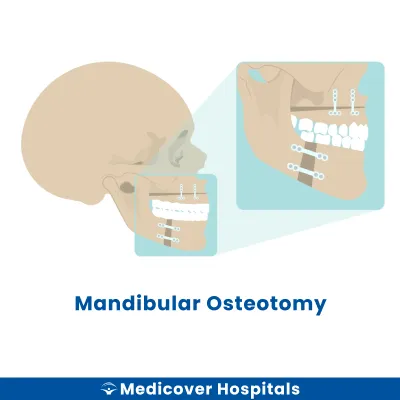
Mandibular Osteotomy is a surgical procedure involving the lower jaw, known as the mandible. It is performed to correct jaw alignment issues. This surgery involves cutting and repositioning the mandible to achieve proper alignment and function. The procedure helps in improving bite, speech, and facial aesthetics.
This surgery is needed for conditions like mandibular prognathism (protruding lower jaw) or retrognathism (receding lower jaw). These conditions can lead to difficulties in chewing, speaking, and breathing. If left untreated, they may cause chronic jaw pain and dental problems. Modern surgical approaches, such as bilateral sagittal split osteotomy and distraction osteogenesis, are available for mandibular osteotomy. These techniques aim to enhance recovery and outcomes.
Mandibular Osteotomy Doctors Near You
Discover skilled Oral and Maxillofacial Surgeons for mandibular osteotomy at Medicover Hospitals across India. Select your city and book a consultation to explore treatment options tailored to your needs.
Why Choose Medicover Hospitals for Mandibular Osteotomy?
Get a second opinion from trusted experts and makeconfident, informed decisions.
 Get Second Opinion
Complete Guide To Mandibular Osteotomy
Everything you need to know about the procedure, preparation, and recovery
Mandibular Osteotomy Surgery Indications
Doctors recommend mandibular osteotomy when conservative treatments fail to correct jaw misalignments. This procedure helps improve function and appearance in patients with specific jaw issues.
Malocclusion
Patients experience difficulty chewing and speaking due to misaligned teeth. On examination, doctors find improper bite alignment. When braces or other orthodontic treatments don't resolve the issue, surgery is considered.
Sleep Apnea
Patients suffer from interrupted breathing during sleep, leading to fatigue and snoring. Sleep studies reveal airway obstruction due to jaw positioning. Surgery is suggested when CPAP therapy or oral appliances are ineffective.
Facial Asymmetry
Patients notice uneven facial features, affecting self-esteem. Doctors observe jaw misalignment through physical examination and imaging. Surgery is recommended when orthodontic methods fail to correct the asymmetry.
Jaw Pain
Patients report chronic pain in the jaw area, often linked to temporomandibular joint disorders. Examination and imaging show structural jaw issues. Surgery becomes necessary when medication and therapy don't alleviate pain.
Speech Impairment
Patients experience difficulty articulating words clearly. Speech assessments and imaging reveal jaw misalignment affecting speech. Surgery is advised when speech therapy alone doesn't improve clarity.
How to Prepare for Mandibular Osteotomy?
Proper preparation for mandibular osteotomy is crucial for a smooth surgical experience and recovery. It helps in reducing complications and ensures a successful outcome.
- Medication Review: Stop NSAIDs, anticoagulants, and herbal supplements 1-2 weeks before surgery. Consult your doctor for guidance.
- Fasting Guidelines: Fast for at least 8 hours before the surgery. This is essential for safe anaesthesia administration.
- Pre-Surgery Checkup: Complete all recommended blood tests and imaging studies as advised by your surgeon.
- Oral Hygiene: Maintain good oral hygiene. Brush and floss regularly to reduce infection risk.
- Comfortable Clothing: Wear loose, comfortable clothing on the day of surgery. It makes changing easier post-operation.
- Transportation Arrangement: Arrange for someone to drive you home after the procedure. You will not be able to drive yourself.
- Medication List: Bring a list of all medications you are currently taking, including dosages, to the hospital.
- Post-Surgery Supplies: Stock up on soft foods and any prescribed medications for post-operative care.
Mandibular Osteotomy Surgery (Step-by-Step)
Mandibular osteotomy is performed by Dental and oral and maxillofacial surgeons. The surgery typically lasts 2 to 4 hours and is done under general anaesthesia.
- Preparation: The patient is positioned comfortably on the operating table. General anaesthesia is administered to ensure the patient is asleep and pain-free throughout the procedure.
- Incision: A small incision, usually 1-2 cm, is made inside the mouth along the gum line. This approach avoids visible scars on the face.
- Bone Exposure: The surgeon uses a retractor to gently pull back the soft tissues, exposing the mandible. A curette may be used to clean the bone surface.
- Bone Cutting: The surgeon uses a surgical saw to precisely cut the mandible. This step allows for the realignment of the jaw. Care is taken to protect surrounding nerves and tissues.
- Repositioning: The jaw is carefully moved into the new position. Temporary fixation devices may be used to hold the bone in place.
- Fixation: Titanium plates and screws are used to secure the bone in its new position. This ensures stability during the healing process.
- Closure: The incision is closed with sutures. The patient is then moved to the recovery area to gradually awaken from anaesthesia.
Who Performs Mandibular Osteotomy Surgery?
Mandibular osteotomy is performed by Dental and oral and maxillofacial surgeons. These specialists are trained in surgeries involving the face, mouth, and jaw. They ensure the procedure is done safely and effectively, focusing on both function and aesthetics.
Recovery After Mandibular Osteotomy Surgery
Recovery from mandibular osteotomy surgery involves gradual healing and adjustment. It's important to follow your surgeon's advice for a smooth recovery. You may experience swelling, discomfort, and dietary changes during this period.
Day 1-3:
- Expect significant swelling and discomfort. Use prescribed pain relief.
- Stick to a liquid diet. Include soups, broths, and smoothies.
- Rest is crucial. Avoid physical activities.
Day 4-7:
- Swelling may start to reduce. Continue with medications as advised.
- Introduce soft foods like curd, dal-rice, and khichdi.
- Gentle oral hygiene practices are important. Use a soft toothbrush.
Week 2-4:
- Gradual return to normal activities. Avoid strenuous exercise.
- Continue with a soft diet. Include moong dal and mashed vegetables.
- Regular follow-up appointments to monitor healing.
Week 4-6:
- Most swelling should subside. You may resume work or school if comfortable.
- Slowly reintroduce firmer foods as tolerated.
- Maintain good oral hygiene and attend follow-up visits.
When to Seek Urgent Help
- Severe pain not relieved by medication.
- Excessive bleeding or pus discharge.
- Fever or signs of infection.
- Difficulty breathing or swallowing.
Benefits of Mandibular Osteotomy Surgery
Mandibular osteotomy surgery is a procedure aimed at correcting jaw alignment issues. It offers several benefits for patients experiencing functional or aesthetic concerns.
- Improved Bite Function: Enhances the ability to chew and speak effectively.
- Facial Symmetry: Corrects jaw alignment, leading to a more balanced facial appearance.
- Relief from Jaw Pain: Alleviates discomfort associated with misaligned jaws.
- Better Oral Health: Reduces the risk of dental issues caused by improper bite.
- Enhanced Confidence: Boosts self-esteem with improved facial aesthetics.
Risks and Complications of Mandibular Osteotomy Surgery
While mandibular osteotomy is generally safe, it carries certain risks and potential complications. Patients should be aware of these before undergoing the procedure.
- Common: Swelling and bruising around the jaw area.
- Common: Temporary numbness in the lower lip or chin.
- Rare: Infection at the surgical site.
- Rare: Bleeding or blood clots.
- Rare: Relapse of the jaw position over time.
- Rare: Damage to teeth or surrounding structures.
- Rare: Need for additional surgery if results are unsatisfactory.
Cost of Mandibular Osteotomy Surgery
The cost of Mandibular Osteotomy Surgery at Medicover Hospitals varies based on the ward category chosen. Prices range from Rs. 25000 to Rs. 625,600 across different ward types. This ensures that patients can select an option that best suits their budget and needs.
We offer transparent pricing, and our hospitals support insurance and TPA services, including CGHS, ESI, and major TPAs. A cashless facility is also available for added convenience. Please contact the hospital for the latest insurance panel details as these may change periodically.
Frequently Asked Questions
1. How much does Mandibular Osteotomy cost?
Mandibular Osteotomy surgery at Medicover Hospitals ranges from Rs.25000 to Rs.625600, depending on the type of care and facilities chosen.
2. Is Mandibular Osteotomy covered under insurance?
Mandibular Osteotomy may be covered by CGHS, ESI, and major TPAs. Please contact the hospital for current panel details.
3. Will my jaw function normally post-surgery?
After Mandibular Osteotomy, jaw function typically improves, but temporary stiffness may occur. Regular exercises aid in restoring full movement.
4. Can I eat solid food immediately after surgery?
Post-Mandibular Osteotomy, start with soft foods like dal-rice and khichdi. Gradually reintroduce solids after a few weeks based on your doctor's advice.
5. Will my facial appearance change after surgery?
Mandibular Osteotomy can alter facial structure, enhancing balance and symmetry. Discuss potential changes with your surgeon before the procedure.
6. Can I speak normally right after the surgery?
Speech may be temporarily affected post-Mandibular Osteotomy. Normal speech patterns usually return as swelling subsides and healing progresses.
7. Is there a risk of nerve damage with this surgery?
Mandibular Osteotomy carries a risk of temporary nerve numbness in the jaw area. Most patients regain sensation within a few months.
8. How painful is a mandibular osteotomy?
A mandibular osteotomy can cause moderate pain and swelling after surgery, especially in the first few days. Pain is usually well controlled with medications and gradually improves over 1–2 weeks.
9. What is the recovery time for a mandibular osteotomy?
Recovery from a mandibular osteotomy typically takes about 4 to 6 weeks for initial healing, with most normal activities resuming gradually. Complete bone healing and full recovery may take around 3 months or longer.


