 Call
Call Patient Reports
Left Heart Catheterization Procedure Hospital by Expert Cardiologists
Left Heart Catheterization at Medicover Hospitals is performed using an open surgical approach by skilled cardiologists with DM and DNB qualifications. This procedure helps diagnose and treat coronary artery disease and heart conditions. Patients benefit from shorter hospital stays due to advanced techniques used.
Expert Specialists
Yearly Treatments
Patient Satisfaction
What is Left Heart Catheterization?
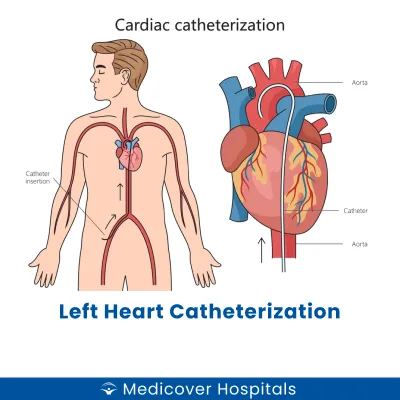
Left Heart Catheterization is a medical procedure used to examine the heart's left side. It involves inserting a thin tube (catheter) into the heart through a blood vessel. This procedure helps assess the heart's function and blood flow. It provides crucial information about the left ventricle and aorta, which are vital for pumping oxygen-rich blood to the body.
This procedure is needed to diagnose and manage heart conditions like coronary artery disease and valve disorders. If untreated, these conditions can lead to serious complications, including heart failure. Modern surgical approaches, such as transradial access (through the wrist) and femoral access (through the groin), offer less invasive options for Left Heart Catheterization. These methods help reduce recovery time and improve patient comfort.
Left Heart Catheterization Doctors Near You
Discover expert cardiologists for left heart catheterization at Medicover Hospitals across India. Choose your city and book a consultation to ensure your heart health is in capable hands.
Why Choose Medicover Hospitals for Left Heart Catheterization?
Get a second opinion from trusted experts and makeconfident, informed decisions.
 Get Second Opinion
Complete Guide To Left Heart Catheterization
Everything you need to know about the procedure, preparation, and recovery
Left Heart Catheterization procedure Indications
Doctors recommend Left Heart Catheterization to diagnose and assess heart conditions. This procedure helps in evaluating the heart's function and identifying any blockages or abnormalities.
Chest Pain (Angina)
Patients often experience chest pain or discomfort, especially during physical exertion. If initial tests like ECG or stress tests show abnormalities, doctors may suggest catheterization to check for coronary artery blockages.
Shortness of Breath
Patients may have difficulty breathing, especially during activities. If imaging tests like echocardiograms reveal heart function issues, catheterization can provide detailed insights into the heart's performance.
Abnormal Stress Test Results
During a stress test, some patients show irregular heart rhythms or poor blood flow. When these results are inconclusive, catheterization helps in pinpointing the exact cause of the irregularities.
Heart Valve Disorders
Symptoms like fatigue or swelling may indicate valve problems. If echocardiograms suggest valve dysfunction, catheterization offers a closer look at valve operation and pressure measurements.
Congenital Heart Defects
Some patients have congenital heart abnormalities detected through initial imaging. Catheterization is used to assess the severity and plan further treatment if non-invasive methods are insufficient.
Unexplained Heart Failure
Patients with persistent symptoms of heart failure, despite medication, may need catheterization. This helps identify underlying causes like blocked arteries or weak heart muscles.
How to Prepare for Left Heart Catheterization?
Proper preparation for left heart catheterization ensures a smooth procedure and reduces risks. Follow these steps to get ready.
- Medication Review: Discuss with your doctor about stopping NSAIDs, anticoagulants, and herbal supplements a few days before the procedure.
- Fasting Guidelines: Do not eat or drink anything for at least 6-8 hours before the procedure to prepare for anaesthesia.
- Medication List: Bring a list of all medications you take, including dosages, to the hospital.
- Clothing: Wear loose, comfortable clothing on the day of the procedure for easy access to the catheter site.
- Transportation: Arrange for someone to drive you home after the procedure, as you may feel drowsy from the anaesthesia.
- Allergy Check: Inform your doctor about any allergies, especially to iodine or contrast dyes used during the procedure.
- Pre-Procedure Tests: Complete any required blood tests or imaging studies as instructed by your healthcare provider.
- Hydration: Drink plenty of water the day before, unless advised otherwise, to stay hydrated.
Left Heart Catheterization procedure (Step-by-Step)
Overview: Left Heart Catheterization is performed by cardiologists. It typically lasts 1-2 hours. Local anaesthesia is used to numb the area.
- Preparation: The patient lies on a procedure table. An IV line is inserted for medications. The groin or wrist area is cleaned and numbed with local anaesthesia.
- Access Site: A small incision, about 1-2 cm, is made in the groin or wrist. A sheath is inserted to provide access to the artery.
- Catheter Insertion: A catheter is guided through the sheath into the artery. The patient might feel slight pressure but no pain.
- Navigation: Using fluoroscopy (X-ray guidance), the catheter is carefully navigated to the left side of the heart. The patient may feel a warm sensation from the contrast dye.
- Measurement and Imaging: Instruments like a pressure transducer measure blood pressure. An angiographic catheter helps capture images of the heart and arteries.
- Catheter Removal: Once the procedure is complete, the catheter and sheath are removed. Pressure is applied to the site to prevent bleeding.
- Recovery: The patient is monitored for a few hours. Instructions on movement and activity are provided to ensure proper healing.
Who Performs Left Heart Catheterization procedure?
A cardiologist, specialising in heart and blood vessel conditions, performs this procedure. They are trained to use catheters and imaging technology to assess heart function and diagnose issues.
Recovery After Left Heart Catheterization procedure
Recovery from a Left Heart Catheterization procedure is generally smooth, but it's important to follow your doctor's advice for a safe and quick recovery. Most patients can return to their normal routine within a few days, but individual recovery times may vary.
Day 1:
- Rest is crucial. Avoid any strenuous activities.
- Keep the catheter insertion site clean and dry.
- Drink plenty of fluids to help flush out the contrast dye.
Day 2-3:
- Continue with light activities. Avoid lifting heavy objects.
- Monitor the insertion site for any signs of infection.
- Stick to a light diet. Opt for easy-to-digest foods like curd, dal-rice, or khichdi.
Day 4-7:
- Gradually increase activity levels as tolerated.
- Resume work or school if you feel comfortable, but avoid physical exertion.
- Include nutritious foods like moong dal and soups to aid recovery.
Phase 2 (Week 2):
- Most patients can return to normal activities, including exercise, with doctor's approval.
- Continue to eat a balanced diet to support heart health.
- Regular follow-up appointments are essential to monitor recovery.
When to Seek Urgent Help
- Severe pain or swelling at the catheter site.
- Signs of infection such as redness, warmth, or pus.
- Shortness of breath or chest pain.
- Sudden weakness or numbness in any part of the body.
Benefits of Left Heart Catheterization procedure
Left Heart Catheterization is a diagnostic procedure that provides valuable insights into heart health.
- Accurate Diagnosis: Helps in identifying blockages or narrowing of the coronary arteries.
- Detailed Heart Function Analysis: Assesses the function of the heart valves and chambers.
- Guides Treatment Decisions: Provides essential information for planning further treatment or interventions.
- Minimally Invasive: Performed through a small incision, reducing recovery time.
Risks and Complications of Left Heart Catheterization procedure
While generally safe, Left Heart Catheterization carries some risks and potential complications.
- Common: Bleeding or bruising at the catheter insertion site.
- Common: Allergic reactions to the contrast dye used during the procedure.
- Rare: Heart attack or stroke during or after the procedure.
- Rare: Damage to the artery or heart structures.
- Rare: Infection at the catheter insertion site.
- Rare: Arrhythmias or irregular heartbeats.
Cost of Left Heart Catheterization procedure
The cost of a Left Heart Catheterization procedure at Medicover Hospitals ranges from Rs. 600 to Rs. 1350, depending on the ward category. Prices vary based on the type of accommodation chosen, ensuring transparent pricing for all patients. Medicover Hospitals offer insurance and TPA support, including CGHS, ESI, and major TPAs, with a cashless facility available for convenience. Please contact the hospital for the latest insurance panel details as these may change periodically.
Frequently Asked Questions
1. How much does Left Heart Catheterization cost?
The cost for Left Heart Catheterization at Medicover Hospitals ranges from Rs.600 to Rs.1350, depending on the facility and care level.
2. Is Left Heart Catheterization covered by insurance?
Left Heart Catheterization is often covered by CGHS, ESI, and major TPAs. Please contact the hospital for current panel details.
3. Can I drive after Left Heart Catheterization?
Driving is usually discouraged for at least 24 hours post-procedure. It's important to rest and allow your heart to recover.
4. Will I experience chest pain after the procedure?
Some patients may experience mild chest discomfort post-procedure. If pain persists, consult your doctor immediately for further evaluation.
5. Can I eat spicy food after Left Heart Catheterization?
It's best to avoid spicy foods initially. Opt for lighter meals like dal-rice or khichdi to aid in recovery.
6. Is there a risk of heart attack during the procedure?
Though rare, there is a small risk of heart attack during Left Heart Catheterization. Your doctor will discuss potential risks before the procedure.
7. How soon can I resume exercise post-procedure?
Light activities can usually be resumed after a week. Consult your doctor for specific guidelines based on your condition.


