What is Laser Skin Resurfacing Treatment?
Laser skin resurfacing treatment is an advanced cosmetic procedure that uses focused laser technology to improve skin texture, tone and appearance. It works by removing damaged outer skin layers and stimulating collagen production, which helps reduce wrinkles, fine lines, acne scars, sun damage and pigmentation.
Modern techniques like fractional laser skin resurfacing and fractionated laser skin resurfacing allow for targeted treatment with faster healing, minimal downtime, and long-lasting results. Patients often see remarkable improvements in laser skin resurfacing before and after results, making it a popular choice for skin rejuvenation.
Who Needs Laser Skin Resurfacing?
Laser skin resurfacing is recommended for individuals who want to:
- Reduce wrinkles, fine lines and signs of ageing
- Improve acne scars and surgical scars.
- Minimise sun damage, age spots, or pigmentation.
- Tighten loose skin and improve skin tone.
- Achieve smoother and younger-looking skin.
It is ideal for those looking for non-invasive skin rejuvenation and long-term improvements in appearance.
Types of Laser Skin Resurfacing
Laser skin resurfacing can be done using different techniques based on your skin's needs. Each type offers unique benefits for improving skin texture and appearance. Depending on your skin condition and treatment goals, dermatologists may suggest:
- Fractional Laser Skin Resurfacing: Treats deep layers of skin while leaving healthy areas intact, ensuring quicker healing.
- Fractionated Laser Skin Resurfacing: Uses controlled beams for even skin rejuvenation with minimal discomfort.
- Ablative Laser Resurfacing: Removes outer layers of skin for more dramatic improvements in wrinkles and scars.
- Non-Ablative Laser Resurfacing: Stimulates collagen without removing outer skin, with shorter recovery time.
30 Mins - 2 Hours
Surgery Duration
Local Anesthesia
Anesthesia Used
Sameday Discharge
Hospital Stay
2-3 Weeks
Full Recovery Timeline
Why is Laser Skin Resurfacing Treatment Done?
Laser skin resurfacing treatment is performed to rejuvenate the skin and correct a variety of skin imperfections. This procedure uses advanced laser technology to remove damaged layers of skin and stimulate collagen production, helping achieve smoother, firmer, and more youthful-looking skin.
Dermatologists recommend fractional laser skin resurfacing or fractionated laser skin resurfacing when other non-invasive treatments like creams, chemical peels, or microdermabrasion do not provide the desired results, especially in cases of:
- Fine lines and wrinkles around the eyes, mouth, and forehead
- Acne scars, injury scars, or surgical scars that affect skin texture
- Sun damage, age spots, or uneven pigmentation
- Loose or sagging skin that needs tightening
- Dull or rough skin lacking natural glow.
- Enlarged pores or irregular skin tone
- Patients seeking dramatic laser skin resurfacing before and after results
- Failed conservative skincare treatments where improvements remain minimal
Laser resurfacing helps restore healthy, youthful skin by reducing scars, improving tone, and reversing visible signs of ageing. It is also a popular choice for individuals exploring advanced cosmetic options, from laser skin resurfacing cost in India to premium procedures like laser skin resurfacing in Las Vegas.
How to Prepare for Laser Skin Resurfacing Treatment?
Laser skin resurfacing treatment is a popular cosmetic procedure used to reduce wrinkles, acne scars, pigmentation, and sun damage. Proper preparation before the treatment ensures safe results, quicker healing, and long-lasting benefits.
Start Planning Early
- Pre-treatment Consultation: Your dermatologist may recommend a skin evaluation, discuss your medical history, and review photos of laser skin resurfacing before and after to set realistic expectations.
- Medication List: Inform your doctor about all medications, supplements, and skincare products you use. Blood thinners, acne medications (like isotretinoin), or certain creams may need to be stopped.
Prepare Your Skin and Lifestyle
- Sun Protection: Avoid tanning, sun exposure, and harsh skincare products at least 4 weeks before fractional laser skin resurfacing. Always use sunscreen as advised.
- Skincare Routine: Your doctor may prescribe special creams (such as retinoids or bleaching agents) to prepare the skin and reduce the risks of pigmentation.
- Smoking & Alcohol: Stop smoking and limit alcohol intake at least 2 weeks before treatment to promote faster healing.
Day Before & Day of Treatment
- Cleansing: Wash your face with a gentle cleanser the night before and avoid applying lotions, perfumes, or makeup.
- Shaving: Men may be asked to shave before fractionated laser skin resurfacing, unless instructed otherwise.
- Comfort Preparation: Wear loose, soft clothing and bring protective sunglasses if advised by your dermatologist.
Stay Informed and Prepared
- Discuss with Your Doctor: Ask about the type of laser used, expected downtime, number of sessions, and laser skin resurfacing cost.
- Recovery Planning: Arrange for someone to drive you home if sedation is used, and stock up on gentle skincare products recommended for post-procedure care.
Preparing well for Laser Skin Rejuvenation helps ensure smoother healing, better results, and a visible transformation in your before-and-after laser skin resurfacing journey.
What Happens During Laser Skin Resurfacing Treatment?
Laser skin resurfacing treatment is a cosmetic procedure that uses advanced laser technology to improve skin tone, texture, and overall appearance. It helps reduce wrinkles, scars, pigmentation, and sun damage, offering visible transformation in laser skin resurfacing before and after results. Here's what typically happens during the procedure:
Before the Procedure
- Skin Assessment: Your dermatologist will evaluate your skin type, concerns, and goals to determine whether fractional laser skin resurfacing or fractionated laser skin resurfacing is best for you.
- Pre-Treatment Instructions: Patients may be advised to avoid excessive sun exposure, certain skincare products (like retinoids), or blood-thinning medications for a few days before treatment.
- Anaesthesia or Numbing Cream: Depending on the intensity of the treatment, a topical numbing cream or local anaesthesia may be applied for comfort.
How is the Procedure Done?
- Cleansing: The skin is gently cleansed to remove dirt, oil, and makeup.
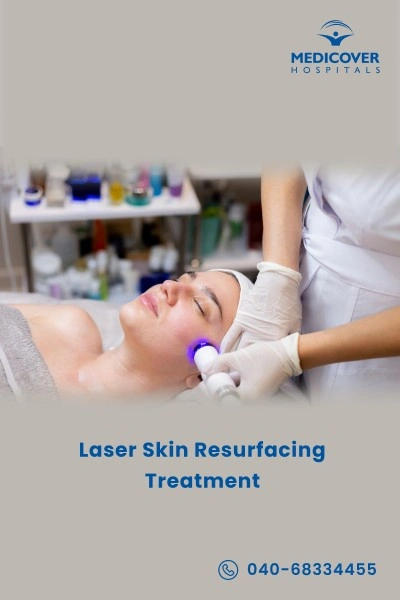
- Laser Application: The dermatologist uses a specialised laser device that directs concentrated beams of light onto the targeted skin areas.
- Fractional Laser Skin Resurfacing treats deeper layers of skin, stimulating collagen production.
- Fractionated Laser Skin Resurfacing delivers precise, controlled micro-beams for even rejuvenation.
- Skin Renewal: The laser removes damaged outer layers of skin, promoting the growth of healthy new skin cells.
- Cooling & Protection: A cooling device or soothing ointment may be applied to minimise discomfort and protect the treated skin.
After the Procedure
- Immediate Recovery: Mild redness, swelling, or a sunburn-like sensation is common for a few days.
- Post-Treatment Care: Use gentle cleansers, moisturisers, and prescribed ointments. Sunscreen is essential to protect healing skin.
- Downtime: Depending on the type of resurfacing, downtime may range from 3-10 days. Non-ablative treatments may have minimal downtime.
- Results: Noticeable improvements in wrinkles, scars, and skin texture become visible within weeks and continue to improve as collagen rebuilds.
Who Performs Laser Skin Resurfacing?
Laser Skin Rejuvenation is performed by board-certified dermatologists or cosmetic surgeons who specialise in skin rejuvenation procedures.
Who They Are & How They Train
- Medical Background: Dermatologists and cosmetic surgeons complete medical school, followed by specialised training in dermatology or plastic surgery.
- Expertise in Cosmetic Laser Treatments: They undergo advanced training in fractional and fractionated laser skin resurfacing, ensuring precision and safety.
- Focus Areas: Many specialists treat age-related skin changes, acne scars, pigmentation, and sun-damaged skin.
- Advanced Certifications: Some experts also train in aesthetic medicine and international cosmetic laser programs for cutting-edge treatments.
Choosing a skilled dermatologist or cosmetic surgeon ensures safer results, better outcomes, and smoother recovery, whether you are undergoing laser skin resurfacing in Las Vegas or at a top cosmetic centre in India.
Recovery After Laser Skin Resurfacing Treatment
Recovery after laser skin resurfacing treatment varies depending on the type of procedure, ablative (more intensive) or non-ablative (gentler). While some patients heal within a few days, others may take 1-2 weeks for complete recovery. Visible improvements in skin texture, tone, and radiance continue to develop for weeks as new collagen forms.
What to Expect During Recovery?
- Redness & Swelling: A mild sunburn-like redness, swelling, or sensitivity is common and typically subsides within a few days to a week.
- Skin Peeling: Treated skin may peel or flake as part of the natural healing process, revealing fresher, smoother skin underneath.
- Discomfort: Some patients may feel warmth, tingling, or mild stinging, which can be managed with cooling gels or prescribed creams.
Skin Care & Healing Precautions
- Cleansing & Moisturising: Use gentle cleansers and fragrance-free moisturisers to keep the skin hydrated.
- Sun Protection: Apply broad-spectrum sunscreen daily, as post-treatment skin is very sensitive to UV rays.
- Avoid Makeup Initially: Refrain from using heavy makeup for at least 5-7 days or until cleared by your dermatologist.
- No Picking or Scratching: Let peeling skin shed naturally to avoid scarring or infection.
Gradual Return to Normal Activity
- Most patients resume daily routines within 2-5 days after fractional laser skin resurfacing or fractionated laser skin resurfacing.
- Ablative procedures may require 7-10 days of downtime before returning to work or social activities.
- Exercise, swimming, and saunas should be avoided until the skin fully heals.
Follow-Up & Long-Term Care
- Post-Treatment Visits: Regular check-ups with your dermatologist help monitor healing and results.
- Hydration & Nutrition: Drinking plenty of water and eating antioxidant-rich foods supports faster recovery.
- Skin Maintenance: Continue a customised skincare routine for long-lasting results.
Lifestyle Changes After Laser Skin Resurfacing
- Avoid direct sun exposure and always wear SPF 30+ sunscreen.
- Quit smoking and limit alcohol to promote skin regeneration.
- Adopt a healthy skincare routine with serums, moisturisers, and sun protection.
Most patients notice visible improvements in wrinkles, scars, and pigmentation within a few weeks. Final results from laser skin resurfacing before and after comparisons become more noticeable over several months as collagen remodelling continues.
Benefits of Laser Skin Resurfacing Treatment
Laser skin resurfacing treatment offers multiple benefits for individuals seeking smoother, clearer, and younger-looking skin. It is a highly effective cosmetic procedure that uses advanced laser technology to reduce imperfections and promote natural skin rejuvenation.
- Reduction of fine lines and wrinkles, especially around the eyes and mouth.
- Improved skin tone and texture, creating smoother and fresher-looking skin.
- Minimisation of acne scars, surgical scars, and other blemishes.
- Removal of sun damage, pigmentation, and age spots.
- Stimulation of collagen production for long-term skin tightening and anti-ageing effects.
- Visible laser skin resurfacing before and after improvements with lasting results.
- Versatility with fractional laser skin resurfacing and fractionated laser skin resurfacing options tailored to different skin needs.
- Enhanced confidence and overall appearance with healthier, more radiant skin.
What Are the Risks of Laser Skin Resurfacing?
While laser skin resurfacing treatment is generally safe and effective when performed by qualified specialists, there are certain risks and potential side effects. The likelihood of these may vary based on skin type, laser intensity, and post-procedure care.
- Redness and Swelling: Temporary irritation resembling sunburn is common after treatment.
- Infection Risk: Improper aftercare may lead to bacterial, viral, or fungal skin infections.
- Hyperpigmentation or Hypopigmentation: Some patients may develop darker or lighter skin patches.
- Scarring: Rare but possible, especially in people prone to keloids or with improper healing.
- Changes in Skin Sensation: Tingling, itching, or mild discomfort may persist for a short period.
- Prolonged Healing Time: In deeper treatments like fractional laser skin resurfacing, recovery may take longer.
- Cost Considerations: The laser skin resurfacing cost may vary depending on the type of laser used, treatment area, and location (e.g., laser skin resurfacing in Las Vegas may cost differently compared to other cities).
With proper consultation, personalised treatment planning, and diligent aftercare, the risks can be minimised, and patients can enjoy long-lasting benefits from Laser Skin Rejuvenation.
How Much Does Laser Skin Resurfacing Cost?
At Medicover Hospitals, we believe in transparent pricing for laser skin resurfacing treatment so that patients can plan confidently without unexpected expenses. In India, the laser skin resurfacing cost generally ranges between Rs. 10,000 to Rs. 60,000 per session, depending on the type of laser used, the area being treated, and the complexity of the case.
Key Factors That Influence the Cost
- Type of Procedure: Fractional laser skin resurfacing and fractionated laser skin resurfacing usually cost more than basic treatments due to advanced technology and deeper skin penetration.
- Treatment Area Size: Costs are higher if larger areas like the full face, neck, or chest are treated compared to smaller areas like under the eyes or around the mouth.
- Number of Sessions Required: Some patients see results after a single treatment, while others may need multiple sessions for optimal laser skin resurfacing before and after transformation.
- Dermatologist's Expertise: Highly experienced dermatologists or cosmetic surgeons with advanced training may charge higher consultation and treatment fees.
- Hospital or Clinic Facilities: State-of-the-art clinics with advanced laser equipment and safety standards may have slightly higher costs but ensure better outcomes.
- Pre-Treatment Tests & Preparations: Skin assessments, patch tests, and pre-care regimens may be included in the overall package.
- Post-Treatment Care: Medications, specialised skincare products, and follow-up visits to monitor healing and results can also influence the final price.
 040 68334455
 WhatsApp
 Patient Portal
 Home Care