 Call
Call Patient Reports
Laryngoscopy Procedure Hospital at Medicover Hospitals
At Medicover Hospitals, our skilled ENT specialists, with qualifications like MS and DNB, perform laryngoscopy using advanced endoscopic techniques. This approach allows for precise diagnosis and treatment of throat conditions, often resulting in shorter hospital stays and quicker recovery for patients across India.
Expert Specialists
Yearly Procedures
Patient Satisfaction
What is Laryngoscopy?
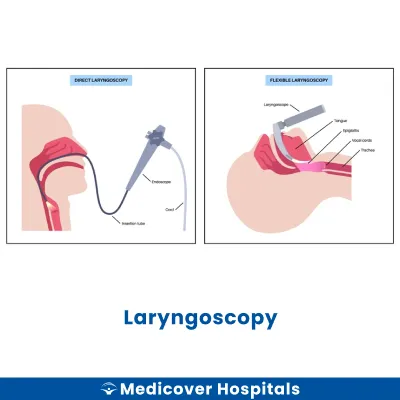
Laryngoscopy is a medical procedure used to examine the larynx (voice box). The larynx is located in the throat and is essential for breathing, speaking, and swallowing. During the procedure, a laryngoscope is used to get a clear view of the larynx and surrounding areas.
Laryngoscopy is often needed to diagnose issues like persistent cough, voice changes, or throat pain. It helps detect conditions such as vocal cord nodules or laryngeal cancer. If left untreated, these conditions can lead to serious complications, including breathing difficulties. Modern approaches like direct laryngoscopy and flexible fiber-optic laryngoscopy offer precise examination and treatment options.
Laryngoscopy Doctors Near You
Discover expert ENT specialists at Medicover Hospitals across India. Choose your city and book a consultation to address your ear, nose, and throat concerns with ease and convenience.
Why Choose Medicover Hospitals for Laryngoscopy?
Get a second opinion from trusted experts and makeconfident, informed decisions.
 Get Second Opinion
Complete Guide To Laryngoscopy
Everything you need to know about the procedure, preparation, and recovery
Laryngoscopy procedure Indications
Laryngoscopy is often recommended by doctors to examine the voice box and surrounding areas when patients present with certain symptoms. It helps in diagnosing and managing various conditions affecting the throat and voice.
Persistent Hoarseness
Patients may experience a hoarse voice lasting more than two weeks. On examination, the doctor may notice abnormalities in the vocal cords. If voice therapy and medications do not improve the condition, laryngoscopy is advised.
Chronic Throat Pain
Individuals suffering from ongoing throat pain, especially when swallowing, may be candidates for this procedure. Doctors may find inflammation or lesions during a physical exam. When pain persists despite conservative treatments, laryngoscopy is considered.
Unexplained Cough
A persistent cough without a clear cause may lead to a recommendation for laryngoscopy. Doctors may suspect issues with the larynx if imaging and other tests are inconclusive. This procedure helps identify underlying problems when standard treatments fail.
Difficulty Breathing
Patients experiencing breathing difficulties, especially with stridor or wheezing, may require laryngoscopy. Physical exams might reveal airway obstruction. If symptoms do not improve with medication, further examination is necessary.
Suspected Tumours
When a patient presents with a lump in the neck or unexplained weight loss, doctors may suspect a tumour. Imaging tests might show masses in the throat area. Laryngoscopy is crucial for biopsy and diagnosis when imaging is insufficient.
How to Prepare for Laryngoscopy?
Proper preparation for a laryngoscopy ensures a smooth procedure and reduces complications. It helps the healthcare team perform the examination effectively.
- Medications: Stop NSAIDs, anticoagulants, and herbal supplements a few days before the procedure.
- Fasting: Do not eat or drink anything for at least 6 hours before the procedure if general anaesthesia is used.
- Clothing: Wear loose, comfortable clothing on the day of the procedure.
- Transportation: Arrange for someone to drive you home post-procedure, as you may feel drowsy.
- Medication List: Bring a list of all medications you take, including dosages, to share with your doctor.
- Smoking: Avoid smoking for at least 24 hours before the procedure to reduce throat irritation.
- Questions: Write down any questions you have for your doctor to discuss before the procedure.
- Rest: Ensure you get a good night's sleep before the procedure to help your body prepare.
Laryngoscopy procedure (Step-by-Step)
Overview: Laryngoscopy is performed by an ENT specialist. The procedure typically lasts 30 to 45 minutes. It is usually done under local or general anaesthesia, depending on the patient's condition.
- Preparation: The patient is positioned comfortably. Anaesthesia is administered to numb the throat or induce sleep.
- Insertion of Laryngoscope: The doctor gently inserts a laryngoscope through the mouth. This instrument helps view the larynx and vocal cords.
- Examination: The specialist examines the larynx for abnormalities. A light and a camera on the laryngoscope provide a clear view.
- Biopsy or Treatment: If necessary, the doctor may use tools like a curette or coblation wand to take tissue samples or treat issues. No incisions are typically made.
- Removal of Laryngoscope: The laryngoscope is carefully withdrawn. The patient may feel slight discomfort during this step.
- Recovery: The patient is monitored as the anaesthesia wears off. Throat soreness or hoarseness may occur temporarily.
- Post-Procedure Care: The doctor provides instructions for recovery. Eating soft foods and avoiding strain on the voice is advised.
Who Performs Laryngoscopy procedure?
An ENT (Ear, Nose, and Throat) specialist, also known as an otolaryngologist, performs the laryngoscopy. They are trained to diagnose and treat conditions related to the larynx and vocal cords. Their expertise ensures a thorough examination and appropriate management of any findings.
Recovery After Laryngoscopy Procedure
After a laryngoscopy, recovery is generally quick, but it's important to follow specific guidelines to ensure a smooth healing process. You may experience mild discomfort or a sore throat, which should subside in a few days.
Day 1:
- Rest your voice as much as possible. Avoid speaking loudly or for extended periods.
- Stick to soft foods like curd, dal-rice, and khichdi to avoid throat irritation.
- Stay hydrated with water and soothing liquids like warm soups.
Day 2-3:
- Continue with a soft diet. Include moong dal and other easy-to-swallow foods.
- Gradually increase voice activity, but avoid straining.
- Avoid smoking and exposure to irritants like dust and smoke.
Day 4-7:
- Most people can resume normal diet but avoid spicy or acidic foods.
- Light activities can be resumed, but avoid strenuous exercise.
- Return to work or school if you feel comfortable, but continue to rest your voice.
Phase 2 (Week 2):
- Gradually return to regular activities, including exercise, as tolerated.
- Monitor your voice and avoid overuse.
When to Seek Urgent Help
- Persistent or worsening throat pain.
- Difficulty breathing or swallowing.
- Fever or signs of infection.
- Bleeding or unusual discharge from the throat.
If you experience any of these symptoms, contact your healthcare provider immediately.
Benefits of Laryngoscopy procedure
Laryngoscopy is a valuable diagnostic and therapeutic tool for examining the larynx and surrounding areas.
- Accurate Diagnosis: Helps in identifying conditions affecting the throat and vocal cords.
- Direct Visualization: Provides a clear view of the larynx for better assessment.
- Biopsy Capability: Allows for tissue sampling to detect abnormalities.
- Therapeutic Interventions: Enables removal of foreign objects or lesions.
- Guided Treatment: Assists in planning further medical or surgical treatments.
Risks and Complications of Laryngoscopy procedure
While generally safe, laryngoscopy carries some risks and potential complications.
- Common: Sore throat or hoarseness post-procedure.
- Common: Mild bleeding from biopsy sites.
- Rare: Allergic reactions to anaesthesia.
- Rare: Damage to teeth or gums during the procedure.
- Rare: Breathing difficulties due to swelling.
- Rare: Infection at the site of examination.
- Rare: Vocal cord injury leading to voice changes.
Cost of Laryngoscopy procedure
The cost of a laryngoscopy procedure at Medicover Hospitals ranges from Rs.1800 to Rs.14500, depending on the type of laryngoscopy and the ward category chosen. The price varies based on whether it is an outpatient service or requires a stay in different ward types.
We offer transparent pricing with support for insurance and TPA, including CGHS, ESI, and major TPAs. Cashless facilities are also available. Please contact the hospital for the latest insurance panel details as these may change periodically.
Frequently Asked Questions
1. How much does Laryngoscopy procedure cost at Medicover Hospitals?
The cost of a Laryngoscopy procedure at Medicover Hospitals ranges from Rs. 1,800 to Rs. 14,500, depending on the type and care level.
2. Is Laryngoscopy procedure covered under health insurance at Medicover?
Laryngoscopy may be covered by CGHS, ESI, and major TPAs. Please contact the hospital for current panel details.
3. Will my voice change after a Laryngoscopy?
Temporary voice changes may occur post-laryngoscopy. These usually resolve within a few days, but consult your doctor if they persist.
4. Can I eat normally after a Laryngoscopy?
Soft foods like curd, dal-rice, and khichdi are recommended initially. Gradually return to your regular diet as advised by your doctor.
5. Is there a risk of throat infection post-Laryngoscopy?
Throat infections are rare but possible after laryngoscopy. Follow post-procedure care instructions to minimise infection risk.
6. Will I experience throat pain after Laryngoscopy?
Mild throat pain is common after laryngoscopy and usually subsides within a few days. Over-the-counter pain relief may be recommended.
7. Can I speak immediately after a Laryngoscopy?
It's advisable to rest your voice for a few hours post-procedure. Gradually resume speaking as your comfort allows.


