 Call
Call Patient Reports
Kyphoplasty Procedure Hospital with Advanced Spine Care
Kyphoplasty at Medicover Hospitals is performed using minimally invasive techniques by our team of experienced orthopaedic surgeons with qualifications like MS and DNB. This procedure helps stabilise spinal fractures, resulting in reduced pain and shorter hospital stays for patients across India.
Expert Surgeons
Yearly Surgeries
Patient Satisfaction
What is Kyphoplasty?
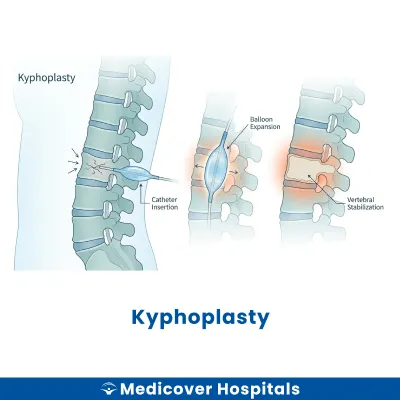
Kyphoplasty is a minimally invasive surgical procedure. It is used to treat vertebral compression fractures in the spine. During the procedure, a balloon is inserted into the fractured vertebra (spinal bone) and inflated to create space. This space is then filled with bone cement to stabilise the fracture and restore vertebral height.
This surgery is often needed for fractures due to osteoporosis or trauma. If left untreated, these fractures can lead to severe pain and spinal deformity. Modern approaches like fluoroscopy-guided techniques ensure precision during the procedure. Kyphoplasty helps alleviate pain and improve mobility, enhancing the patient's quality of life.
Kyphoplasty Doctors Near You
Discover expert orthopedics for kyphoplasty at Medicover Hospitals across India. Choose your city and book a consultation to address your spinal health needs effectively.
Why Choose Medicover Hospitals for Kyphoplasty?
Get a second opinion from trusted experts and makeconfident, informed decisions.
 Get Second Opinion
Complete Guide To Kyphoplasty
Everything you need to know about the procedure, preparation, and recovery
Kyphoplasty Procedure Indications
Doctors recommend kyphoplasty when patients experience severe back pain due to vertebral compression fractures. This procedure is often considered when conservative treatments like pain medication and physical therapy do not provide relief.
Severe Back Pain
Patients often report intense back pain that worsens with movement. Imaging tests like X-rays or MRIs reveal vertebral compression fractures. When pain persists despite medication and rest, kyphoplasty may be advised.
Height Loss in Vertebrae
Noticeable loss of height in the spine can occur due to collapsed vertebrae. This is confirmed through imaging. If physical therapy and bracing fail to restore function, kyphoplasty is considered.
Spinal Deformity
Patients may develop a hunchback posture, known as kyphosis, due to vertebral collapse. X-rays show significant spinal curvature. When non-surgical methods do not improve posture, kyphoplasty may be necessary.
Osteoporotic Fractures
Individuals with osteoporosis may suffer fractures from minor falls. Persistent pain and confirmed fractures on scans indicate the need for kyphoplasty if conservative care is ineffective.
Limited Mobility
Severe pain and spinal instability can limit movement. Clinical assessments and imaging confirm the instability. When mobility is not regained through rehabilitation, kyphoplasty becomes an option.
How to Prepare for Kyphoplasty?
Proper preparation for kyphoplasty can enhance the procedure's success and reduce complications. It ensures a smoother recovery and helps in achieving the desired outcomes.
- Medication Review: Inform your doctor about all medications. You may need to stop NSAIDs, anticoagulants, and herbal supplements a few days before surgery.
- Fasting Guidelines: Follow the fasting instructions provided by your doctor. Typically, you should not eat or drink anything for at least 6-8 hours before the procedure.
- Medical Tests: Complete any required blood tests or imaging studies as advised by your healthcare provider.
- Clothing: Wear loose, comfortable clothing on the day of the procedure to ease movement post-surgery.
- Transportation: Arrange for someone to drive you home after the procedure, as you may feel drowsy from the anaesthesia.
- Medication List: Bring a list of your current medications, including dosages, to the hospital for reference.
- Pre-Procedure Instructions: Follow any specific instructions given by your doctor, such as avoiding certain activities or dietary restrictions.
- Personal Items: Leave valuables at home and bring only essentials to the hospital.
Kyphoplasty Procedure (Step-by-Step)
At Medicover Hospitals Orthopedics Department, Kyphoplasty is performed by experienced orthopaedic specialists. The procedure typically lasts 1-2 hours and is usually done under local or general anaesthesia, depending on the patient’s condition and preference.
- Preparation: The patient is positioned face down on the operating table. Monitoring devices are attached to track vital signs. Anaesthesia is administered to ensure comfort.
- Incision: A small incision, about 1-2 cm, is made in the back. This allows access to the affected vertebra.
- Trocar Insertion: A trocar, a narrow tube, is inserted through the incision. It guides the surgical instruments to the vertebra.
- Balloon Inflation: A special balloon is inserted through the trocar. It is gently inflated to create space and restore vertebral height.
- Cement Injection: Once the balloon is removed, bone cement is injected into the cavity. This stabilises the fracture and provides support.
- Closure: The instruments are removed, and the incision is closed with sutures or adhesive strips. A bandage is applied to protect the site.
- Recovery: The patient is moved to a recovery area. Vital signs are monitored as the anaesthesia wears off. Most patients can go home the same day.
Who Performs Kyphoplasty Procedure?
Kyphoplasty is performed by orthopaedic surgeons. These specialists have expertise in treating spinal conditions. They use precise techniques and instruments to ensure effective treatment. Please contact the hospital for current details as insurance panels may change.
Recovery After Kyphoplasty Procedure
Recovery from a kyphoplasty procedure is generally quick, with many patients experiencing significant pain relief within a few days. However, it's important to follow your doctor's instructions to ensure a smooth recovery.
Day 1-3:
- Rest is crucial. Avoid strenuous activities.
- Stick to light meals. Opt for easily digestible foods like curd, dal-rice, and soups.
- Stay hydrated and avoid alcohol.
Day 4-7:
- Gradually increase light activities like walking.
- Continue with a balanced diet. Include moong dal and khichdi for nutrition and easy digestion.
- Avoid lifting heavy objects or bending excessively.
Day 8-14:
- You may resume work or school if your job does not involve physical exertion.
- Continue avoiding high-impact activities.
- Follow up with your doctor as scheduled.
Phase 3 (Week 3-6):
- Gradually return to normal activities as advised by your doctor.
- Continue with a balanced diet to support bone health.
- Engage in gentle exercises or physical therapy if recommended.
When to Seek Urgent Help:
- Severe back pain that does not improve with medication.
- Fever or signs of infection at the incision site.
- Numbness or weakness in the legs.
- Difficulty breathing or chest pain.
Benefits of Kyphoplasty Procedure
Kyphoplasty is a minimally invasive procedure aimed at treating spinal fractures, often due to osteoporosis. It offers several benefits for patients experiencing back pain and mobility issues.
- Pain Relief: Many patients experience significant reduction in back pain after the procedure.
- Improved Mobility: Restores spinal height, helping patients regain their ability to move more freely.
- Quick Recovery: As a minimally invasive procedure, recovery time is typically shorter compared to traditional surgery.
- Stabilisation: Helps stabilise fractured vertebrae, reducing the risk of further spinal damage.
Risks and Complications of Kyphoplasty Procedure
While kyphoplasty is generally safe, it is important to be aware of potential risks and complications associated with the procedure.
- Infection at the site of the incision, which may require treatment with antibiotics.
- Bleeding or bruising around the incision area.
- Leakage of bone cement into surrounding areas, potentially causing nerve irritation.
- Allergic reaction to materials used during the procedure.
- Increased risk of fractures in adjacent vertebrae.
Cost of Kyphoplasty Procedure
The cost of a Kyphoplasty procedure at Medicover Hospitals varies depending on the ward category chosen. Prices range from Rs.75,000 to Rs. 4,00,000 across different ward types. The final cost can be influenced by the type of room selected, such as general, twin sharing, or private rooms.
We offer transparent pricing and support for insurance and TPA, including CGHS, ESI, and major TPAs. Cashless facilities are also available for your convenience. Please contact the hospital for the latest insurance panel details as these may change periodically.
Frequently Asked Questions
1. How much does Kyphoplasty procedure cost at Medicover Hospitals?
The cost for Kyphoplasty at Medicover Hospitals ranges from Rs. 75,000 to Rs. 4,00,000, depending on various factors.
2. Is Kyphoplasty procedure covered under health insurance at Medicover?
Kyphoplasty is often covered by CGHS, ESI, and major TPAs. Please contact the hospital for current panel details.
3. Can I bend my back after Kyphoplasty?
Avoid bending your back for at least six weeks post-Kyphoplasty. Gradual resumption of activities is advised under medical guidance.
4. Will I need a back brace after Kyphoplasty?
A back brace may be recommended for additional support post-Kyphoplasty. Consult your doctor for personalized advice.
5. Can vertebral fractures recur after Kyphoplasty?
There is a possibility of new fractures in other vertebrae after Kyphoplasty. Regular follow-ups and bone health management are essential.
6. What foods help recovery after Kyphoplasty?
Consume calcium-rich foods like curd and leafy greens. Include protein sources like dal-rice and khichdi for optimal recovery.
7. Can I drive after Kyphoplasty?
Driving is usually not recommended for at least two weeks post-Kyphoplasty. Always consult your doctor before resuming such activities.


