 Call
Call Patient Reports
Kidney Transplantation Surgery by Expert Nephrologists
At Medicover Hospitals, our skilled nephrologists, holding qualifications like DM and DNB, perform kidney transplantation using the open surgical approach. This procedure addresses conditions like chronic kidney disease and acute kidney injury. Patients benefit from reduced blood loss and shorter hospital stays.
Expert Surgeons
Yearly Surgeries
Patient Satisfaction
What is Kidney Transplantation?
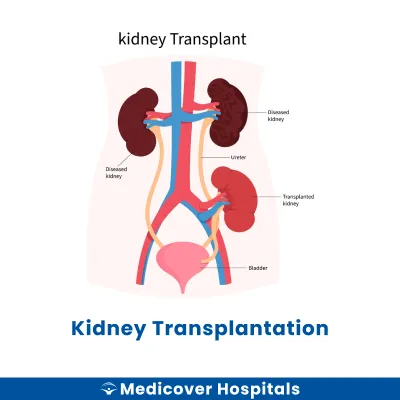
Kidney transplantation is a surgical procedure where a healthy kidney is placed into a person whose kidneys have failed. The kidney (renal organ) is responsible for filtering waste and excess fluids from the blood. When kidneys lose this ability, a transplant may be necessary to restore normal function.
This surgery is needed when chronic kidney disease or end-stage renal disease occurs. Conditions like diabetes, hypertension, or glomerulonephritis can lead to kidney failure. Without treatment, waste builds up in the body, leading to serious health issues. Modern surgical approaches include open surgery and minimally invasive techniques like laparoscopic surgery. These methods aim to reduce recovery time and improve outcomes.
Kidney Transplantation Doctors Near You
Find experienced nephrologists across Medicover locations in India. Choose your city and book a consultation to discuss kidney transplantation options tailored to your needs.
Why Choose Medicover Hospitals for Kidney Transplantation?
Get a second opinion from trusted experts and makeconfident, informed decisions.
 Get Second Opinion
Complete Guide To Kidney Transplantation
Everything you need to know about the procedure, preparation, and recovery
Kidney Transplantation Surgery Indications
Kidney transplantation is recommended when the kidneys can no longer function adequately. Nephrologists suggest this procedure when conservative treatments are insufficient to manage the condition.
End-Stage Renal Disease (ESRD)
Patients with ESRD often experience fatigue, swelling, and difficulty concentrating. Blood tests reveal elevated creatinine and urea levels. When dialysis is no longer effective, transplantation becomes necessary.
Chronic Kidney Disease (CKD)
CKD patients may suffer from high blood pressure, anaemia, and bone disease. Lab tests show declining glomerular filtration rate (GFR). When CKD progresses to stage 5, a transplant is considered.
Diabetic Nephropathy
Individuals with diabetic nephropathy often have proteinuria and hypertension. Tests indicate worsening kidney function despite optimal diabetes management. Transplantation is advised when kidney damage is severe.
Polycystic Kidney Disease (PKD)
PKD causes abdominal pain and blood in urine. Imaging shows enlarged kidneys with multiple cysts. When kidney function deteriorates significantly, a transplant is recommended.
Hypertensive Nephrosclerosis
Patients experience persistent high blood pressure and reduced urine output. Tests reveal kidney scarring and reduced GFR. Transplantation is considered when blood pressure control fails to preserve kidney function.
Glomerulonephritis
Symptoms include swelling and foamy urine. Lab results show blood and protein in urine. When immunosuppressive therapy does not halt progression, a transplant is necessary.
How to Prepare for Kidney transplantation?
Proper preparation for kidney transplantation is crucial to ensure a smooth surgical process and recovery. It helps minimise risks and enhances the chances of a successful outcome.
- Medication Review: Stop NSAIDs, anticoagulants, and herbal supplements as advised by your doctor.
- Fasting: Do not eat or drink anything for at least 8 hours before the surgery to prepare for anaesthesia.
- Medical Tests: Complete all required blood tests, imaging, and other evaluations as scheduled.
- Pre-Surgery Hygiene: Follow specific instructions for showering with antiseptic soap to reduce infection risk.
- Clothing: Wear loose, comfortable clothing on the day of the surgery for easy changing and comfort.
- Transport Arrangements: Arrange for someone to drive you home post-surgery as you will not be able to drive.
- Medication List: Bring a list of your current medications, including dosages, to the hospital.
- Emotional Support: Consider talking to a counsellor or joining a support group to ease anxiety.
Kidney transplantation Surgery (Step-by-Step)
Overview: Kidney transplantation is performed by nephrologists and transplant surgeons. The surgery typically lasts 3-4 hours and is done under general anaesthesia.
- Preoperative Preparation: The patient is given general anaesthesia to ensure they are asleep and pain-free during the procedure. Vital signs are monitored closely.
- Incision and Access: A 15-20 cm incision is made in the lower abdomen. The surgeon carefully accesses the site where the new kidney will be placed.
- Donor Kidney Placement: The donor kidney is positioned in the pelvic region. Surgeons use instruments like the harmonic scalpel and bipolar cautery to ensure precision.
- Connecting Blood Vessels: The renal artery and vein of the donor kidney are connected to the recipient's iliac artery and vein. This step ensures proper blood flow to the new kidney.
- Ureter Connection: The ureter from the donor kidney is connected to the recipient's bladder. This allows urine to flow from the kidney to the bladder.
- Closure: The incision is closed using sutures or staples. The surgical area is cleaned, and a dressing is applied.
- Recovery and Monitoring: The patient is moved to the recovery room. Vital signs and kidney function are monitored closely to ensure the transplant is successful.
Who Performs Kidney transplantation Surgery?
Kidney transplantation is performed by transplant surgeons These specialists have extensive training in managing kidney-related conditions and performing complex surgeries. They work together to ensure the procedure is conducted safely and effectively.
Recovery After Kidney Transplantation Surgery
Recovery after kidney transplantation surgery is a gradual process. Patients need to follow medical advice closely to ensure the new kidney functions well. Regular follow-ups and lifestyle adjustments are crucial.
Day 1-3:
- Hospital stay is common. Medical staff will monitor vital signs and kidney function.
- Start with a liquid diet, gradually progressing to soft foods like soups and khichdi.
Day 4-7:
- Patients may begin to walk short distances with assistance.
- Diet can include light meals like dal-rice and moong dal.
- Regular blood tests to monitor kidney function and medication levels.
Day 8-14:
- Gradual increase in physical activity is encouraged.
- Continue with a balanced diet, including curd and easily digestible foods.
- Focus on hydration but follow fluid intake guidelines from the doctor.
Phase 2: Weeks 3-6:
- Most patients can resume light work or school activities.
- Avoid heavy lifting and strenuous activities.
- Regular follow-ups and medication adjustments are necessary.
Phase 3: Beyond 6 Weeks:
- Gradually return to normal activities, but avoid contact sports.
- Maintain a kidney-friendly diet and regular exercise routine.
- Continue regular medical check-ups to monitor kidney health.
When to Seek Urgent Help:
- Fever, chills, or flu-like symptoms.
- Decreased urine output or blood in urine.
- Swelling or pain around the transplant site.
- Sudden weight gain or shortness of breath.
Benefits of Kidney transplantation Surgery
Kidney transplantation can be a life-changing procedure for those with end-stage renal disease. It offers several advantages over dialysis.
- Improved Quality of Life: Many patients experience more energy and fewer dietary restrictions.
- Increased Longevity: Transplant recipients often live longer compared to those on long-term dialysis.
- Freedom from Dialysis: Patients can avoid the time-consuming process of dialysis sessions.
- Better Physical Health: Transplantation can improve heart health and reduce the risk of other complications.
Risks and Complications of Kidney transplantation Surgery
While kidney transplantation can offer significant benefits, it also carries certain risks and complications. It's important to be aware of these before proceeding.
Common Risks
- Rejection: The body may reject the new kidney, requiring medical intervention.
- Infection: Immunosuppressive drugs increase the risk of infections.
Rare Risks
- Blood Clots: Clots can form in the blood vessels of the new kidney.
- Cancer: Long-term use of immunosuppressants may increase cancer risk.
- Diabetes: Some patients may develop diabetes post-transplant.
Cost of Kidney Transplantation Surgery
The cost of kidney transplantation surgery at Medicover Hospitals varies depending on the ward category chosen. Prices range from ₹5,00,000 to ₹15,00,000. The cost is influenced by the type of ward, such as general, private, or deluxe options. Medicover Hospitals offers transparent pricing and supports insurance and TPA, including CGHS, ESI, and major TPAs. A cashless facility is also available for added convenience. Please contact the hospital for the latest insurance panel details as these may change periodically.
Frequently Asked Questions
1. How much does Kidney transplantation surgery cost at Medicover Hospitals?
The cost of kidney transplantation surgery at Medicover Hospitals ranges from ₹5,00,000 to ₹15,00,000, depending on the type of care and facilities chosen.
2. Is Kidney transplantation surgery covered under health insurance at Medicover?
Kidney transplantation surgery is often covered by health insurance, including CGHS, ESI, and major TPAs. Please contact the hospital for current panel details.
3. What lifestyle changes are needed after kidney transplant?
Post-transplant, you must follow a balanced diet including curd and dal-rice, and avoid salty foods. Regular check-ups and medication adherence are crucial.
4. Can I experience rejection after a kidney transplant?
Yes, organ rejection is a potential complication after a kidney transplant. Regular monitoring and medication help manage this risk effectively.
5. How long before I can return to work after kidney transplant?
Most patients can return to work within 6-8 weeks post-surgery. Recovery time varies, so follow your doctor's advice for a safe return.
6. Will I need dialysis after a kidney transplant?
Dialysis is typically not needed after a successful kidney transplant. However, regular follow-ups are necessary to ensure the new kidney functions well.
7. What are signs of kidney transplant complications?
Signs include fever, decreased urine output, and swelling. Immediate medical attention is required if any of these symptoms occur post-transplant.


