 Call
Call Patient Reports
Keloid Excision Surgery by Expert Oncologists
At Medicover Hospitals, keloid excision is performed using the open surgical approach by skilled dermatologists and plastic surgeons with qualifications such as MS, DNB, and MCh. This method effectively removes keloids, leading to shorter recovery times and reduced risk of recurrence, ensuring optimal patient outcomes.
Expert Surgeons
Yearly Surgeries
Patient Satisfaction
What is Keloid Excision?
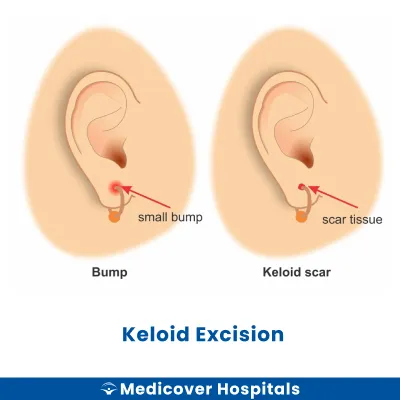
Keloid excision is a surgical procedure to remove keloids. Keloids are raised, thickened scars that form on the skin after an injury. They can appear anywhere on the body but are common on the chest, shoulders, earlobes, and cheeks. The procedure involves cutting out the keloid tissue to improve the appearance and relieve discomfort.
This surgery is needed when keloids cause pain, itching, or restrict movement. They can also lead to emotional distress due to their appearance. If left untreated, keloids may continue to grow. Modern surgical approaches for keloid excision include laser therapy and cryotherapy (freezing the tissue). These methods aim to reduce recurrence and improve healing. Always consult a healthcare professional for advice.
Keloid Excision Doctors Near You
Discover skilled dermatologists and plastic surgeons for keloid excision at Medicover Hospitals across India. Choose your city and book a consultation to explore effective treatment options tailored to your needs.
Why Choose Medicover Hospitals for Keloid Excision?
Get a second opinion from trusted experts and makeconfident, informed decisions.
 Get Second Opinion
Complete Guide To Keloid Excision
Everything you need to know about the procedure, preparation, and recovery
Keloid Excision Surgery Indications
Keloid excision surgery is recommended when keloids cause significant discomfort or cosmetic concerns. Doctors may suggest this procedure when non-surgical treatments fail to provide relief.
Persistent Pain
Patients may experience ongoing pain in the keloid area. This pain can be sharp or throbbing. On examination, the keloid may appear red and inflamed. If pain persists despite topical treatments or injections, surgery might be necessary.
Functional Impairment
Keloids can restrict movement if located near joints. Patients might report difficulty in moving the affected area. Physical examination reveals limited range of motion. When physiotherapy and other treatments do not improve function, excision is considered.
Recurrent Infections
Some keloids may become infected repeatedly, causing swelling and pus. Patients often notice warmth and tenderness. Doctors find signs of infection during examination. If antibiotics and other measures fail, surgical removal may be advised.
Severe Itching
Intense itching can be a distressing symptom for keloid patients. This can lead to scratching and skin damage. Examination may show excoriations. When antihistamines and creams do not alleviate itching, surgery might be the solution.
Cosmetic Concerns
Keloids can be cosmetically unappealing, affecting self-esteem. Patients may express dissatisfaction with appearance. Doctors assess the keloid's size and location. If cosmetic treatments are ineffective, excision may be recommended.
How to Prepare for Keloid Excision?
Proper preparation for keloid excision can enhance recovery and reduce complications. Following your doctor's instructions is crucial for a smooth procedure.
- Medication Review: Stop NSAIDs, anticoagulants, and herbal supplements 1-2 weeks prior. Consult your doctor for specific guidance.
- Fasting Instructions: If general anaesthesia is used, fast for at least 8 hours before the surgery. Follow your doctor's advice on water intake.
- Skin Preparation: Clean the area around the keloid with antiseptic soap as advised by your healthcare provider.
- Clothing Choice: Wear loose, comfortable clothing on the day of the procedure to avoid irritation around the surgical site.
- Transportation: Arrange for someone to drive you home post-surgery, as you may feel drowsy from anaesthesia.
- Medication List: Bring a list of all medications you are currently taking, including dosages, for the medical team.
- Post-Op Supplies: Have bandages, antiseptic ointments, and any prescribed medications ready at home for aftercare.
- Follow-Up Plan: Schedule a follow-up appointment to monitor healing and address any concerns post-excision.
Keloid Excision Surgery (Step-by-Step)
Overview: Keloid excision is performed by dermatologists or plastic surgeons. The procedure typically lasts 30 minutes to an hour and is usually done under local anaesthesia.
- Preparation: The patient is positioned comfortably. The area around the keloid is cleaned and sterilised. Local anaesthesia is administered to numb the area.
- Incision: A small incision, usually 1-2 cm larger than the keloid, is made using a scalpel. This allows for complete removal of the keloid tissue.
- Excision: The keloid is carefully excised using a scalpel or surgical scissors. The surgeon ensures that the entire keloid is removed to prevent recurrence.
- Hemostasis: Bipolar cautery may be used to control bleeding. This step ensures a clear surgical field and reduces the risk of complications.
- Closure: The incision is closed with sutures or surgical adhesive. The surgeon may use fine sutures to minimise scarring.
- Dressing: A sterile dressing is applied over the incision site. This protects the area and promotes healing.
- Recovery: The patient is monitored briefly before being discharged. Post-operative care instructions are provided to ensure proper healing.
Who Performs Keloid Excision Surgery?
Keloid excision is typically performed by dentists or plastic surgeons. These specialists are trained to handle skin-related conditions and surgical procedures. They ensure the safe and effective removal of keloids.
Recovery After Keloid Excision Surgery
Recovery from keloid excision surgery involves careful wound care and monitoring. It's important to follow your doctor's instructions to ensure proper healing and reduce the risk of keloid recurrence.
Day 1-3:
- Rest and avoid strenuous activities.
- Keep the surgical area clean and dry.
- Take prescribed medications to manage pain and prevent infection.
Day 4-7:
- Continue with gentle wound care as advised.
- Gradually resume light activities, but avoid heavy lifting or exercise.
- Include soft, nutritious foods like curd, dal-rice, and soups in your diet to support healing.
Week 2-4:
- Monitor the wound for any signs of infection or unusual changes.
- Slowly increase activity levels, but still avoid high-impact exercises.
- Incorporate foods like khichdi and moong dal to maintain a balanced diet.
- You may be able to return to work or school, depending on your comfort and job requirements.
When to Seek Urgent Help
Contact your doctor if you experience any of the following:
- Severe pain or swelling at the surgical site.
- Redness, warmth, or pus discharge from the wound.
- Fever or chills.
- Any signs of the keloid returning or growing.
Always follow your healthcare provider's advice for a smooth recovery. Please contact the hospital for current details as insurance panels may change.
Benefits of Keloid Excision Surgery
Keloid excision surgery is a procedure aimed at removing keloid scars to improve appearance and comfort.
- Improved Appearance: Helps reduce the size and visibility of keloid scars.
- Reduced Discomfort: Alleviates itching and irritation associated with keloids.
- Enhanced Mobility: May improve movement if keloids are restricting joint areas.
- Boosted Confidence: Can enhance self-esteem by improving skin appearance.
Risks and Complications of Keloid Excision Surgery
While keloid excision can be beneficial, it carries certain risks and complications, as with any surgical procedure.
Common Risks
- Recurrence of keloids, sometimes larger than the original.
- Infection at the surgical site, requiring further treatment.
- Scarring, which may not fully resolve.
Rare Risks
- Changes in skin sensation around the excision area.
- Bleeding or hematoma formation post-surgery.
- Allergic reactions to sutures or dressings.
Cost of Keloid Excision Surgery
The cost of Keloid Excision Surgery at Medicover Hospitals ranges from ₹15,000 to over ₹80,000 per session. The price varies based on the ward category chosen, such as day care, general, or private rooms. We offer transparent pricing to ensure clarity for our patients. Insurance and TPA support is available, with CGHS, ESI, and major TPAs accepted. A cashless facility is also provided for added convenience. Please contact the hospital for the latest insurance panel details as these may change periodically.
Frequently Asked Questions
1. How much does Keloid Excision surgery cost?
The cost of Keloid Excision surgery at Medicover Hospitals ranges from ₹15,000 to over ₹80,000 per session, depending on the type of room and care required.
2. Is Keloid Excision surgery covered under insurance?
Keloid Excision surgery may be covered under CGHS, ESI, and major TPAs. Please contact the hospital for current panel details.
3. Will keloids return after excision?
Keloids can sometimes recur even after excision. Regular follow-ups and preventive treatments can help reduce the chances of recurrence.
4. Can I swim after Keloid Excision?
Avoid swimming for at least four weeks post-surgery. This helps prevent infection and promotes proper healing of the excision site.
5. Will the excision scar be visible?
The excision may leave a scar, but it can fade over time. Scar management techniques like silicone gel sheets can help improve its appearance.
6. Can I use makeup on the excision site?
Avoid using makeup on the excision site for at least two weeks. This helps prevent irritation and supports the healing process.
7. What foods aid recovery after Keloid Excision?
Consume protein-rich foods like dal-rice and curd to aid recovery. These foods support tissue repair and boost the healing process.


