 Call
Call Patient Reports
Best Hospital for Intravenous Thrombolysis Procedure with Advanced Stroke Care
Intravenous Thrombolysis for Acute Ischemic Stroke at Medicover Hospitals is performed using advanced open techniques by our skilled DM and DNB-qualified neurologists. This approach helps dissolve clots effectively, leading to quicker recovery and shorter hospital stays for patients across India.
Expert Specialists
Yearly Treatments
Patient Satisfaction
What is Intravenous Thrombolysis for Acute Ischemic Stroke?
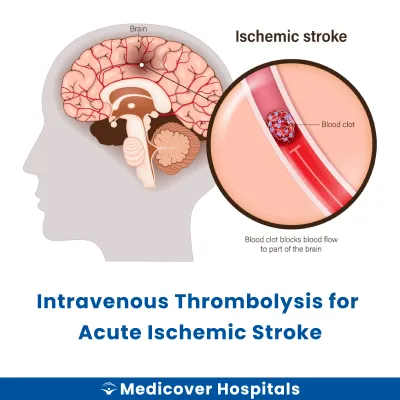
Intravenous thrombolysis is a medical procedure used to treat acute ischemic stroke. It involves the administration of medication through a vein to dissolve blood clots in the brain. This helps restore blood flow to the affected area. The brain is the organ involved in this procedure. The medication used is often a tissue plasminogen activator (tPA), which works by breaking down the clot and improving circulation.
This procedure is needed when a blood clot blocks an artery in the brain. It can lead to severe complications if untreated, such as permanent brain damage or disability. Conditions like high blood pressure, diabetes, and heart disease can increase the risk of such strokes. Modern approaches include using advanced imaging techniques to guide treatment. Early intervention is crucial for better outcomes.
Intravenous Thrombolysis for Acute Ischemic Stroke Doctors Near You
Find experienced neurologists for intravenous thrombolysis for acute ischemic stroke at Medicover Hospitals across India. Choose your city and book a consultation today for timely medical attention.
Why Choose Medicover Hospitals for Intravenous Thrombolysis for Acute Ischemic Stroke?
Get a second opinion from trusted experts and makeconfident, informed decisions.
 Get Second Opinion
Complete Guide To Intravenous Thrombolysis For Acute Ischemic Stroke
Everything you need to know about the procedure, preparation, and recovery
Intravenous Thrombolysis for Acute Ischemic Stroke Procedure Indications
Doctors recommend intravenous thrombolysis for patients experiencing an acute ischemic stroke. This procedure is crucial when timely intervention is needed to dissolve blood clots and restore blood flow to the brain.
Sudden Onset of Neurological Deficits
Patients may experience sudden weakness or numbness, especially on one side of the body. Doctors find these symptoms during a neurological exam. Immediate intervention is needed if these symptoms appear within a specific time window.
Acute Speech Difficulties
Patients may have trouble speaking or understanding speech suddenly. Neurologists identify these issues during clinical evaluation. If symptoms are recent and severe, thrombolysis is considered.
Severe Headache with No Known Cause
A sudden, severe headache can be a sign of a stroke. Doctors may use imaging to rule out other causes. If the headache is accompanied by other stroke signs, thrombolysis may be indicated.
Sudden Vision Changes
Patients might experience sudden vision loss or double vision. These symptoms, confirmed through an eye exam, suggest a possible stroke. Thrombolysis is recommended if these changes are recent.
Imaging Confirming Ischemic Stroke
CT or MRI scans may show a blockage in brain arteries. If imaging confirms an ischemic stroke and symptoms started recently, thrombolysis is considered.
How to Prepare for Intravenous Thrombolysis for Acute Ischemic Stroke?
Proper preparation for intravenous thrombolysis is crucial to ensure the procedure's effectiveness and safety. It involves specific steps to minimise risks and enhance treatment outcomes.
- Medication Review: Inform your doctor about all medications. Stop NSAIDs, anticoagulants, and herbal supplements as advised.
- Fasting Instructions: Follow the fasting guidelines provided by your healthcare team. Typically, no food or drink 6-8 hours before the procedure.
- Medical History: Share your complete medical history, including allergies and previous surgeries, with your doctor.
- Clothing: Wear loose, comfortable clothing on the day of the procedure for easy access and comfort.
- Transportation: Arrange for someone to drive you home post-procedure, as you may feel drowsy or unsteady.
- Medication List: Bring a list of all current medications, including dosages, for the medical team to review.
- Hydration: Stay hydrated before the fasting period begins, unless advised otherwise by your doctor.
- Consent Forms: Ensure all necessary consent forms are signed and submitted before the procedure.
Intravenous Thrombolysis for Acute Ischemic Stroke Procedure (Step-by-Step)
This procedure is performed by neurologists. It typically lasts between 1 to 2 hours. Local anaesthesia is commonly used.
- Initial Assessment: The patient undergoes a clinical evaluation and imaging tests like a CT scan to confirm an ischemic stroke.
- Preparation: The patient is positioned comfortably. An intravenous (IV) line is inserted, usually in the arm.
- Medication Administration: A thrombolytic agent, such as alteplase, is administered through the IV line. This helps dissolve the clot obstructing blood flow to the brain.
- Monitoring: Vital signs, including blood pressure and heart rate, are closely monitored. The patient may feel a warm sensation as the medication circulates.
- Follow-up Imaging: Post-procedure imaging, like a CT or MRI, is conducted to assess the effectiveness of the treatment and check for any complications.
- Observation: The patient is observed in a stroke unit for any signs of improvement or adverse reactions. Neurological assessments are performed regularly.
- Recovery and Support: The patient receives supportive care, including hydration and medication adjustments, to aid recovery.
Who Performs Intravenous Thrombolysis for Acute Ischemic Stroke Procedure?
This procedure is performed by neurological surgeons who specialise in treating brain and nervous system conditions. They are trained to manage acute stroke cases and administer thrombolytic therapy safely.
Recovery After Intravenous Thrombolysis for Acute Ischemic Stroke Procedure
Recovery after intravenous thrombolysis for acute ischemic stroke involves careful monitoring and gradual return to daily activities. Patients may experience fatigue and need support during this period. A balanced diet and adherence to medical advice are crucial for optimal recovery.
Day 1-3:
- Close monitoring in the hospital to assess neurological function and prevent complications.
- Rest is essential. Minimal physical activity is recommended.
- Diet may include soft, easily digestible foods like curd, dal-rice, and soups.
Day 4-7:
- Gradual increase in activity as advised by the healthcare team.
- Continue with a light diet including khichdi and moong dal.
- Begin gentle physiotherapy exercises if recommended.
Week 2:
- Further increase in physical activity, avoiding strenuous tasks.
- Incorporate more variety in diet, ensuring it is low in salt and fat.
- Monitor for any signs of improvement or complications.
Phase 3 (Week 3-4):
- Most patients can resume light work or school activities, depending on recovery progress.
- Continue with prescribed medications and follow-up appointments.
- Maintain a balanced diet and stay hydrated.
When to Seek Urgent Help:
- Sudden weakness or numbness in the face, arm, or leg.
- Severe headache or dizziness.
- Difficulty speaking or understanding speech.
- Any unusual symptoms or concerns should prompt immediate medical attention.
Benefits of Intravenous Thrombolysis for Acute Ischemic Stroke Procedure
Intravenous thrombolysis is a treatment aimed at dissolving blood clots in the brain to restore blood flow during an acute ischemic stroke.
- Rapid Action: This procedure can quickly dissolve clots, potentially reducing brain damage.
- Improved Recovery: Patients may experience better recovery outcomes when treated promptly.
- Increased Survival Rate: Early intervention can increase the chances of survival after a stroke.
- Non-Invasive: As a medication-based treatment, it avoids the need for surgical intervention.
Risks and Complications of Intravenous Thrombolysis for Acute Ischemic Stroke Procedure
While intravenous thrombolysis can be beneficial, it carries certain risks and complications that should be considered.
- Bleeding in the brain or other parts of the body.
- Allergic reactions to the medication.
- Reperfusion injury, which can cause further damage to brain tissue.
- Blood pressure fluctuations during treatment.
- Heart complications, such as arrhythmias.
Common Risks:
Rare Risks:
Cost of Intravenous Thrombolysis for Acute Ischemic Stroke Procedure
The cost for Intravenous Thrombolysis for Acute Ischemic Stroke ranges from Rs.1,00,000 to Rs.2,50,000 across Medicover Hospitals. The price varies depending on the ward category chosen, such as general, twin sharing, private, or suite options.
We offer transparent pricing and support for insurance and TPA, including CGHS, ESI, and major TPAs. A cashless facility is also available to ease the financial process. Please contact the hospital for the latest insurance panel details as these may change periodically.
Frequently Asked Questions
1. How much does Intravenous Thrombolysis for Acute Ischemic Stroke procedure cost at Medicover Hospitals?
The cost ranges from Rs. 1,00,000 to Rs. 2,50,000 across Medicover Hospitals. Pricing depends on the type of room and care level chosen.
2. Is Intravenous Thrombolysis for Acute Ischemic Stroke procedure covered under health insurance at Medicover?
Many health insurance plans, including CGHS, ESI, and major TPAs, may cover this procedure. Please contact the hospital for current panel details.
3. Can thrombolysis cause bleeding in the brain?
Yes, a potential complication of thrombolysis is bleeding in the brain. This risk is carefully assessed before administering the treatment.
4. How soon can I resume normal activities after thrombolysis?
Patients may need several weeks to recover before resuming normal activities. It's crucial to follow the neurologist's advice for a safe recovery.
5. Will I need to change my diet after thrombolysis?
A heart-healthy diet, including curd, dal-rice, and khichdi, is recommended. Avoiding high-salt and high-fat foods is important for recovery.
6. Can thrombolysis affect my speech?
Speech issues can occur if the stroke affects brain areas responsible for language. Speech therapy may be needed to aid recovery.
7. Is there a risk of another stroke after thrombolysis?
There is a risk of recurrence, but lifestyle changes and medications can help reduce it. Regular follow-ups with your doctor are essential.


