 Call
Call Patient Reports
Best Intestinal Obstruction Repair Surgery Hospital with Advanced Care
At Medicover Hospitals, Intestinal Obstruction Repair is performed using advanced laparoscopic techniques. Our skilled surgeons, with qualifications like MS and DNB, ensure precise treatment. This minimally invasive approach results in smaller incisions and reduced blood loss, promoting faster recovery for patients across India.
Expert Surgeons
Yearly Surgeries
Patient Satisfaction
What is Intestinal Obstruction Repair?
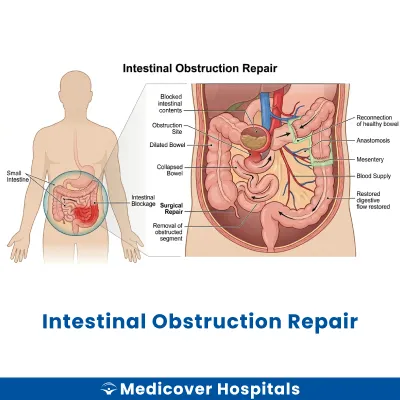
Intestinal Obstruction Repair is a surgical procedure to remove blockages in the intestines. The intestines are part of the digestive system, responsible for nutrient absorption and waste elimination. This procedure involves clearing the obstruction to restore normal bowel function. It may involve removing a section of the intestine or untwisting it.
This surgery is needed when conditions like hernias, tumours, or adhesions cause blockages. If left untreated, it can lead to severe complications like tissue death or infection. Modern surgical approaches include laparoscopic surgery (minimally invasive) and open surgery. These methods help in effectively addressing the obstruction. Early intervention is crucial to prevent serious health issues.
Intestinal Obstruction Repair Doctors Near You
Discover expert surgeons at Medicover Hospitals across India. Choose your city and book a consultation to address your heart health needs with experienced specialists near you.
Why Choose Medicover Hospitals for Intestinal Obstruction Repair?
Get a second opinion from trusted experts and makeconfident, informed decisions.
 Get Second Opinion
Complete Guide To Intestinal Obstruction Repair
Everything you need to know about the procedure, preparation, and recovery
Intestinal Obstruction Repair Surgery Indications
Intestinal Obstruction Repair Surgery is recommended when there is a blockage in the intestines that prevents the normal movement of contents. This procedure is considered when symptoms persist despite conservative treatments.
Severe Abdominal Pain
Patients often experience intense, crampy abdominal pain. This pain may come and go, but becomes constant over time. Doctors may find tenderness and distension during a physical examination. If pain persists despite medication, surgery is considered.
Vomiting and Nausea
Frequent vomiting, sometimes with bile, is a common symptom. Patients may also feel nauseous. Imaging tests like X-rays or CT scans can show air-fluid levels. When anti-nausea medications and dietary changes fail, surgery may be needed.
Inability to Pass Gas or Stools
Patients may report not being able to pass gas or stools. This is often accompanied by abdominal swelling. Doctors may use imaging to confirm a blockage. If laxatives and enemas do not help, surgical intervention is required.
Severe Dehydration
Dehydration can occur due to vomiting and inability to ingest fluids. Patients may have dry mouth and decreased urine output. Blood tests may show electrolyte imbalances. When rehydration efforts fail, surgery is necessary.
Fever and Infection Signs
Fever, along with abdominal pain, may indicate infection. Blood tests may show elevated white blood cell counts. If antibiotics and supportive care do not resolve the infection, surgery is considered.
How to Prepare for Intestinal Obstruction Repair?
Proper preparation is crucial for a successful intestinal obstruction repair. It helps reduce complications and ensures a smoother recovery.
- Medication Review: Stop NSAIDs, anticoagulants, and herbal supplements as advised by your doctor.
- Fasting: Do not eat or drink anything for at least 8 hours before the surgery to ensure safe anaesthesia.
- Bowel Preparation: Follow any bowel prep instructions provided by your healthcare team to clear the intestines.
- Clothing: Wear loose, comfortable clothing on the day of the surgery for ease and comfort.
- Transportation: Arrange for someone to drive you home after the procedure, as you may feel drowsy.
- Medication List: Bring a list of all medications you are taking, including dosages, for the medical team.
- Health Conditions: Inform your doctor about any existing health conditions or allergies.
- Smoking and Alcohol: Avoid smoking and alcohol for a few days before and after the surgery for better healing.
Intestinal Obstruction Repair Surgery (Step-by-Step)
Performed by GI surgeons. The procedure typically lasts 1-3 hours. General anaesthesia is used to ensure the patient is asleep and pain-free.
- Preparation: The patient is positioned on the operating table. General anaesthesia is administered to induce sleep.
- Incision: A small incision, usually 1-2 cm, is made in the abdomen. This allows access to the intestines.
- Exploration: A laparoscope is inserted through the incision. This instrument helps the surgeon view the obstruction on a screen.
- Obstruction Removal: Using tools like a harmonic scalpel or curette, the surgeon carefully removes or bypasses the obstruction.
- Repair: If necessary, the surgeon repairs any damaged sections of the intestine. This may involve suturing or resection.
- Closure: The incision is closed with sutures or staples. A dressing is applied to protect the area.
- Recovery: The patient is moved to a recovery room. They are monitored as they wake up from anaesthesia.
Who Performs Intestinal Obstruction Repair Surgery?
Gastrointestinal surgeons perform this procedure. They specialise in surgeries of the digestive tract. Their expertise ensures precise handling of intestinal issues.
Recovery After Intestinal Obstruction Repair Surgery
Recovery from intestinal obstruction repair surgery involves gradual healing and a return to normal activities. It's important to follow medical advice closely to ensure a smooth recovery.
Day 1-3:
- Hospital stay is common. Pain management and monitoring are priorities.
- Begin with a liquid diet. Gradually introduce clear soups and broths.
Day 4-7:
- Transition to a soft diet. Include foods like khichdi, dal-rice, and moong dal.
- Light walking is encouraged to improve circulation.
- Avoid lifting heavy objects.
Week 2-4:
- Continue with a balanced diet. Add curd and soft-cooked vegetables.
- Gradually increase activity levels. Avoid strenuous activities.
- Most can resume work or school by the end of this phase, depending on the nature of the job.
Week 5-6:
- Return to normal diet, introducing more variety gradually.
- Resume regular activities, but listen to your body and rest as needed.
When to Seek Urgent Help
- Severe abdominal pain or swelling.
- Persistent vomiting or inability to pass stools or gas.
- High fever or signs of infection at the incision site.
- Any unusual symptoms or concerns.
Benefits of Intestinal Obstruction Repair Surgery
Intestinal obstruction repair surgery aims to relieve blockages in the intestines, improving patient health and comfort.
- Restored Bowel Function: Helps restore normal bowel movements and digestion.
- Pain Relief: Alleviates abdominal pain caused by the obstruction.
- Prevention of Complications: Reduces the risk of severe complications like bowel perforation.
- Improved Nutrient Absorption: Enhances nutrient absorption by resolving the blockage.
Risks and Complications of Intestinal Obstruction Repair Surgery
While generally safe, intestinal obstruction repair surgery carries certain risks and potential complications.
- Common: Infection at the surgical site can occur, requiring additional treatment.
- Common: Bleeding during or after surgery may necessitate further intervention.
- Rare: Bowel perforation during surgery can lead to serious complications.
- Rare: Adhesion formation post-surgery may cause future obstructions.
- Rare: Anesthesia-related complications can affect breathing or heart function.
- Rare: Blood clots may form, posing risks to overall health.
Cost of Intestinal Obstruction Repair Surgery
The cost of Intestinal Obstruction Repair Surgery at Medicover Hospitals varies depending on the ward category. Prices range from Rs. 7,500 to Rs. 377,000. This variation ensures that patients can choose a ward that suits their budget and preferences.
We offer transparent pricing and support for insurance and TPA services, including CGHS, ESI, and major TPAs. Cashless facilities are also available for added convenience. Please contact the hospital for the latest insurance panel details as these may change periodically.
Frequently Asked Questions
1. How much does Intestinal Obstruction Repair surgery cost at Medicover Hospitals?
The cost of Intestinal Obstruction Repair surgery at Medicover Hospitals ranges from Rs. 7,500 to Rs. 377,000, depending on the facility and care level.
2. Is Intestinal Obstruction Repair surgery covered under health insurance at Medicover?
Yes, Intestinal Obstruction Repair surgery is often covered by CGHS, ESI, and major TPAs with cashless options. Please contact the hospital for current panel details.
3. Will I need a colostomy bag after surgery?
A colostomy bag may be required temporarily after surgery for healing. Your doctor will guide you on its use and duration.
4. Can I eat spicy food after Intestinal Obstruction Repair?
Avoid spicy food initially; stick to soft foods like khichdi and dal-rice. Gradually reintroduce spices as advised by your doctor.
5. How soon can I return to work post-surgery?
Most patients can return to work within 4-6 weeks, depending on recovery. Consult your doctor for a personalised timeline.
6. Will I experience bowel movement changes post-surgery?
Yes, you may notice changes in bowel habits initially. These usually stabilise over time with proper diet and care.
7. What are the chances of recurrence after surgery?
Recurrence of intestinal obstruction is possible but can be minimised with lifestyle changes. Regular follow-ups with your doctor are essential.


