 Call
Call Patient Reports
Best Hospital for Intrauterine Contraceptive Device (IUD) Insertion with Expert Care
At Medicover Hospitals, our gynecologists, with qualifications like MS, DNB, and FMAS, perform the insertion of intrauterine contraceptive devices using minimally invasive techniques. This approach ensures smaller incisions and reduced blood loss, contributing to a quicker recovery for patients across India.
Expert Specialists
Yearly Treatments
Patient Satisfaction
What is Insertion of Intrauterine Contraceptive Device?
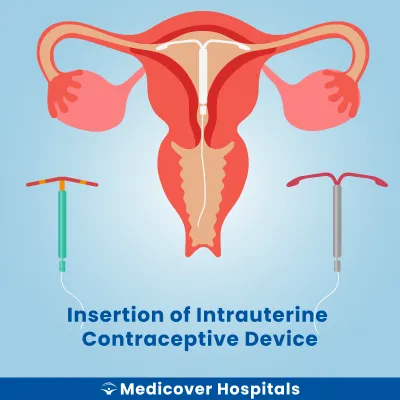
Insertion of an intrauterine contraceptive device (IUCD) is a procedure where a small, T-shaped device is placed into the uterus (womb). The device prevents pregnancy by altering the way sperm move and by thinning the uterine lining. This makes it difficult for a fertilised egg to implant and grow.
This procedure is needed for women seeking long-term contraception. It is suitable for those who prefer not to use daily or monthly birth control methods. Without effective contraception, there is a risk of unintended pregnancy. Modern approaches for IUCD insertion include the use of sterile techniques and ultrasound guidance to ensure correct placement. These methods help in reducing complications and improving comfort during the procedure.
IUD Insertion Procedure Doctors Near You
Find experienced gynecologists for intrauterine contraceptive device insertion at Medicover Hospitals across India. Choose your city and book a consultation to discuss your contraceptive options today.
Why Choose Medicover Hospitals for Insertion of Intrauterine Contraceptive Device?
Get a second opinion from trusted experts and makeconfident, informed decisions.
 Get Second Opinion
Complete Guide To Insertion Of Intrauterine Contraceptive Device
Everything you need to know about the procedure, preparation, and recovery
Insertion of Intrauterine Contraceptive Device Procedure Indications
Doctors recommend the insertion of an intrauterine contraceptive device (IUCD) for women seeking long-term, reversible birth control. It is often suggested when other contraceptive methods are unsuitable or have failed.
Desire for Long-term Contraception
Women who wish to avoid pregnancy for an extended period often seek IUCDs. They may have experienced side effects or failure with other contraceptive methods. An IUCD provides a reliable alternative without daily attention.
Heavy Menstrual Bleeding
Patients with heavy menstrual bleeding may benefit from an IUCD, especially the hormonal type. Symptoms include prolonged periods and significant blood loss. Doctors may recommend this after ruling out other causes and when medication does not help.
Non-compliance with Oral Contraceptives
Some women struggle with remembering to take daily pills. This can lead to unintended pregnancies. An IUCD is suggested when consistent use of oral contraceptives is not feasible.
Contraindications to Hormonal Contraceptives
Women who cannot use hormonal contraceptives due to medical conditions may opt for a copper IUCD. This is recommended after assessing the risks associated with hormonal methods.
Postpartum Contraception
After childbirth, some women seek effective contraception. An IUCD can be inserted postpartum, providing immediate protection. It is considered when breastfeeding and other methods are not preferred.
How to Prepare for Insertion of Intrauterine Contraceptive Device?
Proper preparation for the insertion of an intrauterine contraceptive device (IUD) ensures a smoother procedure and reduces potential complications. Following these steps can help you feel more comfortable and prepared.
- Consult Your Doctor: Discuss your medical history and any current medications with your doctor.
- Medication Adjustments: Stop NSAIDs, anticoagulants, and herbal supplements as advised by your doctor to reduce bleeding risks.
- Fasting Requirements: Generally, fasting is not required as local anaesthesia is typically used. Confirm with your healthcare provider.
- Pelvic Exam: A pelvic exam may be conducted before the procedure to check for any abnormalities.
- Wear Comfortable Clothing: Choose loose-fitting clothes for comfort during and after the procedure.
- Arrange Transportation: Plan for someone to drive you home, as you might feel discomfort post-procedure.
- Bring Medication List: Carry a list of your current medications, including dosages, for reference.
- Manage Pain: Consider taking a mild pain reliever before the procedure, if recommended by your doctor.
Insertion of Intrauterine Contraceptive Device Procedure (Step-by-Step)
The insertion of an intrauterine contraceptive device (IUCD) is performed by gynecologists. The procedure typically takes about 10 to 15 minutes and is usually done under local anaesthesia.
- Preparation: The patient lies on an examination table. A speculum is inserted into the vagina to allow the doctor to see the cervix clearly.
- Cervical Cleaning: The cervix is cleaned with an antiseptic solution to reduce the risk of infection.
- Cervical Measurement: A uterine sound, a thin rod, is gently inserted through the cervix to measure the depth of the uterus. This ensures correct placement of the IUCD.
- Device Insertion: The IUCD is loaded into an applicator tube. The tube is inserted through the cervix into the uterus. The device is then released from the tube and positioned correctly.
- Trimming Strings: The strings attached to the IUCD are trimmed to a suitable length. This allows for easy removal later and helps the patient check the device's position.
- Final Check: The speculum is removed. The patient may be asked to rest for a few minutes before getting up.
- Post-Procedure Advice: The patient is given instructions on what to expect and when to seek medical advice if needed.
Who Performs Insertion of Intrauterine Contraceptive Device Procedure?
The insertion of an IUCD is performed by a gynecologist. These specialists have the expertise to ensure the device is placed correctly and safely. They also provide guidance on post-procedure care and follow-up.
Recovery After Insertion of Intrauterine Contraceptive Device Procedure
After the insertion of an intrauterine contraceptive device (IUD), most individuals can resume normal activities quickly. However, some may experience mild discomfort or cramping. Here's what to expect during the recovery period.
Day 1:
- Rest is recommended. Mild cramping and spotting are common.
- Consume light meals like curd rice or khichdi to avoid digestive discomfort.
Day 2-3:
- Cramping should reduce. Spotting may continue.
- Include soft foods like moong dal and soups in your diet.
- Avoid strenuous activities. Light walking is fine.
Day 4-7:
- Most discomfort should subside. Spotting may persist for some.
- Resume regular diet. Incorporate dal-rice and vegetables.
- Gradually return to routine activities. Avoid heavy lifting.
Phase 2 (Week 2 and Beyond):
- Spotting should cease. Any discomfort should be minimal.
- Continue a balanced diet for overall health.
- Resume full activities, including exercise, unless advised otherwise by your doctor.
When to Seek Urgent Help:
- Severe abdominal pain or cramping.
- Heavy bleeding or unusual discharge.
- Fever or chills indicating possible infection.
- Foul-smelling vaginal discharge.
If you experience any of these symptoms, contact your healthcare provider immediately.
Benefits of Insertion of Intrauterine Contraceptive Device Procedure
The insertion of an intrauterine contraceptive device (IUCD) offers several advantages for those seeking long-term birth control.
- Long-term Protection: Provides effective contraception for 3 to 10 years, depending on the type.
- Reversible: Fertility can return quickly after removal of the device.
- Low Maintenance: Once inserted, it requires minimal attention from the user.
- Non-Hormonal Option: Copper IUCDs offer a hormone-free alternative for those sensitive to hormonal methods.
Risks and Complications of Insertion of Intrauterine Contraceptive Device Procedure
While generally safe, the insertion of an IUCD carries some risks and potential complications.
- A possible effect: Cramping and discomfort during and shortly after insertion.
- Another common occurrence: Irregular bleeding or spotting between periods.
- In some cases: Expulsion of the device, which may require reinsertion.
- Rarely reported: Perforation of the uterine wall during insertion.
- In uncommon situations: Increased risk of pelvic inflammatory disease shortly after insertion.
- Occasionally: Allergic reaction to the materials in the device.
What is the Cost of Insertion of Intrauterine Contraceptive Device Procedure?
The cost for the insertion of an intrauterine contraceptive device at Medicover Hospitals ranges from Rs. 22,500 to Rs. 61,000. The price varies based on the ward category chosen. We offer transparent pricing and support for insurance and TPA, including CGHS, ESI, and major TPAs, with a cashless facility available. Please contact the hospital for the latest insurance panel details as these may change periodically.
Frequently Asked Questions
1. How much does Insertion of intrauterine contraceptive device procedure cost at Medicover Hospitals?
The cost ranges from Rs. 22,500 to Rs. 61,000 across Medicover Hospitals, depending on the type of room and care required.
2. Is Insertion of intrauterine contraceptive device procedure covered under health insurance at Medicover?
Yes, it is often covered by CGHS, ESI, and major TPAs, including cashless options. Please contact the hospital for current panel details.
3. Can IUD insertion cause uterine perforation?
Uterine perforation is a rare complication of IUD insertion. It is important to follow up with your doctor if you experience severe pain.
4. Will I experience changes in menstrual bleeding?
Some women may experience heavier or irregular bleeding after IUD insertion. This usually stabilizes within a few months.
5. Can I use tampons after IUD insertion?
Yes, you can use tampons after IUD insertion. However, it is advisable to wait a few days to allow any initial discomfort to subside.
6. Is there a risk of infection after IUD insertion?
There is a small risk of infection shortly after IUD insertion. Maintaining good hygiene and attending follow-up appointments can help minimize this risk.
7. Can I exercise immediately after IUD insertion?
Light exercise is generally safe after IUD insertion, but avoid strenuous activities for a few days. Listen to your body and consult your doctor if unsure.


