 Call
Call Patient Reports
Best Hospital for Incision and Drainage of Ischiorectal Abscess Surgery with Advanced Surgical Care
At Medicover Hospitals, our team of consultant surgical gastroenterologists, with qualifications like MS, DNB, and MCh, perform the incision and drainage of ischiorectal abscess using the open surgical approach. This method ensures effective drainage, leading to a shorter hospital stay for patients.
Expert Surgeons
Yearly Surgeries
Patient Satisfaction
What is Incision and Drainage of Ischiorectal Abscess?
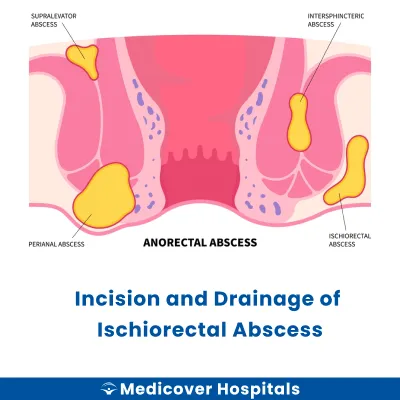
Incision and drainage of an ischiorectal abscess is a surgical procedure to treat an infection in the ischiorectal fossa (area near the rectum and anus). This involves making a small cut to drain pus and relieve pressure. The procedure helps reduce pain and swelling, promoting healing in the affected area.
This surgery is needed when an abscess forms due to infection, often from blocked anal glands or fissures. If left untreated, the abscess can lead to severe pain, fever, and spreading infection. Modern surgical approaches include minimally invasive techniques, which may involve ultrasound guidance for precise drainage. Early intervention prevents complications and promotes quicker recovery.
Incision and Drainage of Ischiorectal Abscess Doctors Near You
Find experienced general surgeons for incision and drainage of ischiorectal abscess at Medicover Hospitals across India. Choose your city and book a consultation today for expert care.
Why Choose Medicover Hospitals for Incision and Drainage of Ischiorectal Abscess?
Get a second opinion from trusted experts and makeconfident, informed decisions.
 Get Second Opinion
Complete Guide To Incision And Drainage Of Ischiorectal Abscess
Everything you need to know about the procedure, preparation, and recovery
Incision and Drainage of Ischiorectal Abscess Surgery Indications
Doctors recommend incision and drainage of an ischiorectal abscess when conservative treatments fail. This procedure helps relieve pain and prevent complications.
Severe Pain and Swelling
Patients often experience intense pain and noticeable swelling in the anal region. On examination, doctors may find a tender, swollen area. If antibiotics and pain relief do not improve symptoms, surgery is considered.
Fever and Infection Signs
Fever and general malaise can indicate an infection. Blood tests may show elevated white blood cell counts. If these symptoms persist despite antibiotic therapy, surgical intervention is needed.
Persistent Abscess
When an abscess does not resolve with medication, it may require drainage. Imaging like an ultrasound or MRI can reveal the size and location of the abscess. Surgery is advised if the abscess remains after initial treatment.
Recurrent Abscess Formation
Some patients experience repeated abscesses. This can be due to underlying conditions or incomplete drainage. If abscesses recur frequently, doctors may suggest surgery to prevent further episodes.
Complications from Abscess
Complications such as fistula formation or tissue necrosis can arise. These are often detected through imaging or physical examination. Surgery becomes necessary to address these serious issues.
How to Prepare for Incision and Drainage of Ischiorectal Abscess?
Proper preparation is crucial for a smooth incision and drainage procedure. It helps minimise risks and ensures a quicker recovery.
- Medication Review: Stop NSAIDs, anticoagulants, and herbal supplements a few days before the procedure, as advised by your doctor.
- Fasting: Do not eat or drink anything for at least 6-8 hours before the procedure, as general anaesthesia is typically used.
- Bowel Preparation: Follow any bowel prep instructions provided by your doctor to ensure the area is clean.
- Clothing: Wear loose, comfortable clothing on the day of the procedure for ease of movement post-surgery.
- Transportation: Arrange for someone to drive you home after the procedure, as you may feel drowsy from the anaesthesia.
- Medication List: Bring a list of all medications you are currently taking, including dosages, to share with your healthcare team.
- Hygiene: Take a shower the night before or the morning of the procedure to reduce the risk of infection.
- Rest: Ensure you get a good night's sleep before the procedure to help your body recover faster.
Incision and Drainage of Ischiorectal Abscess Surgery (Step-by-Step)
This procedure is performed by gastroenterologists-surgical. It typically lasts between 30 to 60 minutes. General or regional anaesthesia is commonly used to ensure patient comfort.
- Preparation: The patient is positioned comfortably. Anaesthesia is administered to numb the area and prevent pain during the procedure.
- Incision: A small incision of about 1-2 cm is made over the abscess using a scalpel. This allows access to the infected area.
- Drainage: Pus and infected material are drained from the abscess cavity. A curette may be used to scrape the walls and ensure complete drainage.
- Irrigation: The cavity is thoroughly washed with saline solution to remove any remaining debris and reduce the risk of further infection.
- Packing: Gauze or a similar material is placed inside the cavity to absorb any remaining fluid and promote healing. This may need to be changed regularly.
- Closure: In some cases, the incision is left open to heal naturally. In others, it may be partially closed with sutures.
- Post-Procedure Care: The patient is monitored as they recover from anaesthesia. Pain management and antibiotics may be prescribed.
Who Performs Incision and Drainage of Ischiorectal Abscess Surgery?
This procedure is typically performed by a general surgeon. These specialists are trained to manage abscesses and other soft tissue infections, ensuring safe and effective treatment with proper drainage and care.
Recovery After Incision and Drainage of Ischiorectal Abscess Surgery
Recovery from incision and drainage of an ischiorectal abscess involves managing discomfort and preventing infection. Patients can expect gradual improvement over a few weeks, with specific care instructions to follow.
Day 1-3:
- Rest is crucial. Avoid strenuous activities.
- Keep the surgical area clean and dry. Follow your doctor's instructions for wound care.
- Consume a light diet. Opt for easily digestible foods like curd, dal-rice, and soups.
- Take prescribed medications to manage pain and prevent infection.
Day 4-7:
- Continue with wound care as advised. You may notice some drainage, which is normal.
- Gradually resume light activities. Avoid heavy lifting or intense exercise.
- Maintain a balanced diet. Include soft foods like khichdi and moong dal to aid digestion.
- Monitor the wound for any signs of infection.
Day 8-14:
- Most patients can return to work or school, depending on their comfort and doctor's advice.
- Continue to avoid activities that may strain the surgical area.
- Ensure a fibre-rich diet to prevent constipation, which can affect healing.
- Follow up with your doctor to assess recovery progress.
When to Seek Urgent Help:
- Fever or chills, which may indicate an infection.
- Increased redness, swelling, or pus from the wound.
- Severe pain not relieved by medications.
- Any unusual symptoms or concerns should be promptly addressed by your healthcare provider.
Benefits of Incision and Drainage of Ischiorectal Abscess Surgery
Incision and drainage of an ischiorectal abscess is a procedure aimed at relieving pain and preventing further complications.
- Pain Relief: The procedure helps alleviate severe pain caused by the abscess.
- Infection Control: Draining the abscess reduces the risk of spreading infection.
- Quick Recovery: Patients often experience rapid symptom relief post-surgery.
- Prevention of Recurrence: Proper drainage can help prevent the abscess from returning.
Risks and Complications of Incision and Drainage of Ischiorectal Abscess Surgery
While generally safe, incision and drainage of an ischiorectal abscess carry some risks and potential complications.
- Bleeding may occur during or after the procedure.
- Infection at the incision site is a possibility.
- Pain or discomfort in the area post-surgery.
- Formation of a fistula, an abnormal connection between organs.
- Scarring at the site of the incision.
- Recurrence of the abscess despite treatment.
What is the Cost of Incision and Drainage of Ischiorectal Abscess Surgery?
The cost of Incision and Drainage of Ischiorectal Abscess Surgery ranges from Rs. 4,500 to Rs. 13,600 and may vary based on factors like the surgical approach, duration of hospital stay, room category, required diagnostics, and post-operative care.
At Medicover Hospitals, we ensure transparent pricing. We offer support for insurance and TPA, including CGHS, ESI, and major TPAs. Cashless facility is available for a hassle-free experience. Please contact the hospital for the latest insurance panel details as these may change periodically.
Frequently Asked Questions
1. How much does Incision and Drainage of Ischiorectal Abscess surgery cost at Medicover Hospitals?
The cost of Incision and Drainage of Ischiorectal Abscess surgery ranges from Rs. 4,500 to Rs. 13,
2. Please contact Medicover Hospitals for detailed pricing information. 2. Is Incision and Drainage of Ischiorectal Abscess surgery covered under health insurance at Medicover?
Many insurance plans, including CGHS and ESI, may cover this procedure. Please contact the hospital for current panel details.
3. Can the abscess reoccur after drainage?
There is a possibility of recurrence if the underlying cause isn't addressed. Regular follow-ups are essential to monitor and prevent recurrence.
4. Will I need a special diet post-surgery?
A light diet including curd, dal-rice, and khichdi is recommended initially. Avoid spicy and oily foods to aid recovery.
5. How long before I can sit comfortably?
Sitting might be uncomfortable for a few days post-surgery. Most patients find relief within a week.
6. Are there any risks of incontinence?
Incontinence is rare but possible if the sphincter is involved. Discuss any concerns with your surgeon prior to surgery.
7. Will I need antibiotics after the procedure?
Antibiotics are often prescribed to prevent infection post-drainage. Follow your doctor's instructions for the best outcome.


