 Call
Call Patient Reports
Image Guided Craniotomy Surgery Hospital with Advanced Neurosurgical Care
Image Guided Craniotomy at Medicover Hospitals is performed using advanced open surgical techniques. Our neurosurgeons, with qualifications like MS, MCh, and DNB, specialise in treating complex brain conditions. This approach ensures smaller incisions and reduced blood loss, enhancing recovery across India.
Expert Surgeons
Yearly Surgeries
Patient Satisfaction
What is Image Guided Craniotomy?
Image Guided Craniotomy is a surgical procedure involving the brain. It uses advanced imaging technology to guide the surgeon. The cranium (skull) is opened to access the brain. This method enhances precision by providing real-time images during surgery. It helps in accurately locating and treating abnormalities within the brain.
This surgery is needed for conditions like brain tumours, aneurysms, or traumatic brain injuries. If left untreated, these conditions can lead to severe complications or even be life-threatening. Modern surgical approaches include neuronavigation and intraoperative MRI. These techniques improve the safety and effectiveness of the procedure. They allow surgeons to make informed decisions during the operation.
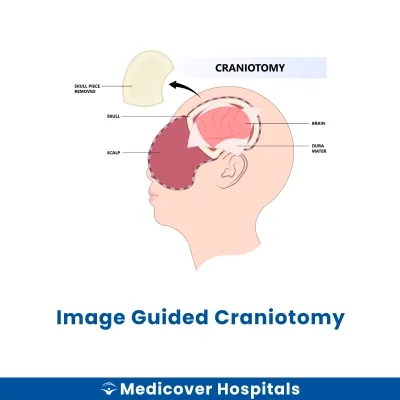
Image Guided Craniotomy Doctors Near You
Find expert neurosurgeons for image-guided craniotomy across Medicover locations in India. Choose your city and book a consultation to discuss your treatment options with our experienced specialists.
Why Choose Medicover Hospitals for Image Guided Craniotomy?
Get a second opinion from trusted experts and makeconfident, informed decisions.
 Get Second Opinion
Complete Guide To Image Guided Craniotomy
Everything you need to know about the procedure, preparation, and recovery
Image Guided Craniotomy Surgery Indications
Doctors recommend Image Guided Craniotomy when precise surgical intervention is needed for brain conditions. This procedure helps in accurately targeting the affected area, minimizing damage to healthy tissues.
Brain Tumours
Patients may experience headaches, seizures, or neurological deficits. Imaging tests like MRI or CT scans reveal abnormal growths in the brain. When tumours are inaccessible or not responding to other treatments, surgery is considered.
Intracranial Haemorrhage
Symptoms include sudden severe headache, nausea, or loss of consciousness. CT scans show bleeding within the brain. If bleeding persists or causes significant pressure, surgery is necessary to relieve it.
Epilepsy
Patients suffer from frequent seizures not controlled by medication. EEG and imaging studies localize the seizure focus. Surgery is advised when seizures are debilitating and unresponsive to drugs.
Arteriovenous Malformations (AVMs)
Symptoms can include headaches or seizures. Imaging reveals abnormal tangles of blood vessels. Surgery is needed when there's a risk of rupture or significant symptoms.
Hydrocephalus
Signs include headaches, nausea, or balance issues. Imaging shows excess cerebrospinal fluid in the brain. When shunt placement or other treatments fail, surgery is required to address the fluid buildup.
How to Prepare for Image Guided Craniotomy?
Proper preparation is crucial for the success of an Image Guided Craniotomy. It helps minimise risks and ensures a smooth surgical process.
- Medication Review: Stop NSAIDs, anticoagulants, and herbal supplements as advised by your doctor.
- Fasting: Do not eat or drink anything for at least 8 hours before the surgery.
- Pre-Surgery Tests: Complete all recommended blood tests and imaging scans as scheduled.
- Personal Items: Wear loose, comfortable clothing on the day of surgery.
- Transportation: Arrange for someone to drive you home after the procedure.
- Medication List: Bring a list of all medications you are currently taking, including dosages.
- Smoking and Alcohol: Avoid smoking and alcohol for at least 24 hours before surgery.
- Hygiene: Bathe and wash your hair the night before or the morning of the surgery.
Image Guided Craniotomy Surgery (Step-by-Step)
Overview: Image Guided Craniotomy is performed by neuro surgeons. The procedure typically lasts between 3 to 6 hours. It is done under general anaesthesia, ensuring the patient is unconscious and pain-free.
- Preparation: The patient is positioned on the operating table. The head is secured to prevent movement. A special frame or markers may be attached to the scalp to aid imaging.
- Imaging: Advanced imaging techniques like MRI or CT scans are used. These images guide the surgeon, providing a detailed map of the brain.
- Incision: A small incision, usually 1-2 cm, is made in the scalp. The surgeon uses a scalpel to carefully cut through the skin and underlying tissues.
- Craniotomy: A section of the skull is removed using a high-speed drill. This provides access to the brain. The bone flap is safely set aside for later replacement.
- Navigation and Surgery: Using image guidance, the surgeon navigates to the target area. Instruments like bipolar cautery and curettes are used to remove or treat the affected tissue.
- Closure: The bone flap is replaced and secured with plates and screws. The scalp incision is closed with sutures or staples.
- Recovery: The patient is moved to the recovery area. They are monitored as they wake from anaesthesia, experiencing some grogginess and mild discomfort.
Who Performs Image Guided Craniotomy Surgery?
This surgery is performed by neurosurgeons, specialists trained in brain and nervous system procedures. They use precise techniques and advanced technology to ensure effective outcomes.
Recovery After Image Guided Craniotomy Surgery
Recovery from an image-guided craniotomy involves gradual healing and regaining strength. Patients can expect a hospital stay followed by a period of rest at home. Regular follow-ups with the healthcare team are crucial to monitor progress.
Day 1-3:
- Hospital stay is common. Medical staff will monitor vital signs and manage pain.
- Start with a liquid diet, gradually moving to soft foods like soups and dal-rice.
- Rest is essential. Avoid any strenuous activity.
Day 4-7:
- Discharge from the hospital is likely. Continue with prescribed medications.
- Consume easy-to-digest foods like khichdi, moong dal, and curd.
- Light activities such as short walks are encouraged, but avoid bending or lifting.
Day 8-14:
- Gradual increase in physical activity is possible, but avoid any heavy lifting or intense exercise.
- Return to a normal diet, focusing on nutritious meals to aid recovery.
- Follow-up appointments are important to assess healing.
Phase 3 (Week 3-6):
- Most patients can resume work or school, depending on their recovery and doctor's advice.
- Continue to avoid high-impact activities and any activities that risk head injury.
- Maintain a balanced diet to support overall health and recovery.
When to Seek Urgent Help
Contact your healthcare provider if you experience severe headaches, persistent nausea or vomiting, confusion, seizures, or any new neurological symptoms. These could indicate complications requiring immediate attention.
Benefits of Image Guided Craniotomy Surgery
Image guided craniotomy surgery uses advanced imaging technology to improve precision during brain surgery.
- Enhanced Accuracy: Provides detailed images for precise targeting of affected areas.
- Minimally Invasive: Reduces the need for large incisions, promoting quicker recovery.
- Improved Outcomes: Increases the likelihood of successful removal of brain lesions.
- Reduced Surgery Time: Speeds up the procedure by offering real-time guidance.
Risks and Complications of Image Guided Craniotomy Surgery
While image guided craniotomy offers many benefits, it is important to be aware of potential risks and complications.
- Infection at the incision site, which may require treatment.
- Bleeding in the brain, which can lead to further complications.
- Damage to surrounding brain tissue, potentially affecting function.
- Seizures post-surgery, which may need management.
- Adverse reaction to anaesthesia, which can vary in severity.
Common Side Effects:
Rare Complications:
Cost of Image Guided Craniotomy Surgery
The cost of Image Guided Craniotomy Surgery ranges from Rs. 3,50,000 to Rs. 6,00,000 based on factors such as the surgical approach, duration of hospital stay, room category, diagnostic tests, and post-operative care required.
At Medicover Hospitals, we ensure transparent pricing for all procedures. We offer support for insurance and TPA, including CGHS, ESI, and major TPAs. A cashless facility is available for added convenience. Please contact the hospital for the latest insurance panel details as these may change periodically.
Frequently Asked Questions
1. How much does Image Guided Craniotomy surgery cost at Medicover Hospitals?
The cost of Image Guided Craniotomy surgery ranges from Rs. 3,50,000 to Rs. 6,00,
2. Please contact Medicover Hospitals for detailed pricing information. 2. Is Image Guided Craniotomy surgery covered under health insurance at Medicover?
Image Guided Craniotomy may be covered by CGHS, ESI, and major TPAs. Please contact the hospital for current panel details.
3. Will I experience memory issues after craniotomy?
Some patients may experience temporary memory issues post-surgery. These usually improve with rehabilitation and time.
4. Can I drive after an Image Guided Craniotomy?
Driving is generally not recommended immediately after surgery. Consult your doctor for specific timelines based on recovery.
5. What foods help recovery after craniotomy?
Post-surgery, a soft diet like curd, dal-rice, and khichdi is advisable. Gradually reintroduce other foods as per medical advice.
6. Is there a risk of seizures after craniotomy?
Seizures can occur after craniotomy, but medications can help manage this risk. Discuss any concerns with your healthcare provider.
7. How soon can I return to work after craniotomy?
Returning to work depends on individual recovery and job type. Most patients may resume light duties within 6-8 weeks.


