 Call
Call Patient Reports
Ileostomy Surgery with Expert Gastroenterologists Care
At Medicover Hospitals, our gastroenterologists surgical, with qualifications like MS, DNB, and MCh, perform ileostomy using advanced laparoscopic techniques. This approach ensures smaller incisions and reduced blood loss, contributing to a quicker recovery and shorter hospital stay for patients across India.
Expert Surgeons
Yearly Surgeries
Patient Satisfaction
What is Ileostomy?
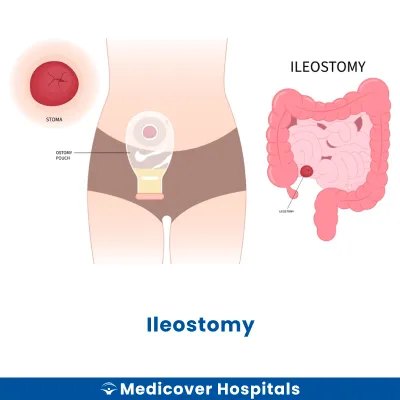
An ileostomy is a surgical procedure that creates an opening in the abdominal wall. This opening, called a stoma, connects the ileum (the last part of the small intestine) to the outside of the body. Waste is then expelled into an external pouch, bypassing the colon and rectum. This procedure is often necessary when the lower digestive tract is not functioning properly.
An ileostomy is needed for conditions like Crohn's disease, ulcerative colitis, or colorectal cancer. These conditions can cause severe inflammation or damage to the intestines. If untreated, they may lead to life-threatening complications. Modern surgical approaches for ileostomy include laparoscopic surgery and robotic-assisted surgery, which aim to reduce recovery time and improve outcomes.
Ileostomy Doctors Near You
Find skilled gastroenterologists surgical for ileostomy care at Medicover Hospitals across India. Choose your city and book a consultation to discuss your treatment options with our experienced specialists.
Why Choose Medicover Hospitals for Ileostomy?
Get a second opinion from trusted experts and makeconfident, informed decisions.
 Get Second Opinion
Complete Guide To Ileostomy
Everything you need to know about the procedure, preparation, and recovery
Ileostomy Surgery Indications
Ileostomy surgery is recommended when the small intestine needs to be diverted to an external pouch. This procedure is often considered when other treatments are ineffective or when immediate intervention is necessary to relieve symptoms and prevent complications.
Inflammatory Bowel Disease (IBD)
Patients with IBD, such as Crohn's disease or ulcerative colitis, may experience severe abdominal pain, bleeding, and diarrhea. When medications and lifestyle changes fail to control these symptoms, and imaging shows significant bowel damage, ileostomy may be advised.
Colorectal Cancer
Individuals with colorectal cancer might present with bowel obstruction, bleeding, or severe pain. If imaging or biopsy confirms the presence of a tumour obstructing the bowel, and chemotherapy or radiation is not sufficient, ileostomy can be a necessary intervention.
Familial Adenomatous Polyposis (FAP)
Patients with FAP often have numerous polyps in the colon, leading to bleeding and risk of cancer. When colonoscopy reveals extensive polyps and conservative management is ineffective, ileostomy may be recommended to prevent cancer development.
Trauma or Injury
Severe abdominal trauma can cause bowel perforation or obstruction, leading to pain and infection. When imaging shows significant damage and conservative measures like observation or minor surgery are inadequate, ileostomy may be required.
Diverticulitis Complications
In cases of diverticulitis, patients may experience severe pain, fever, and bleeding. If CT scans show abscesses or perforation and antibiotics or minor procedures do not resolve the issue, ileostomy might be necessary to manage the complications.
How to Prepare for Ileostomy?
Proper preparation for an ileostomy is crucial for a smooth surgery and recovery. It helps in reducing complications and ensures a better outcome.
- Medication Review: Stop NSAIDs, anticoagulants, and herbal supplements as advised by your doctor.
- Fasting: Do not eat or drink anything for at least 8 hours before the surgery.
- Bowel Preparation: Follow the bowel cleansing instructions given by your healthcare provider.
- Clothing: Wear loose, comfortable clothing on the day of surgery for ease and comfort.
- Transportation: Arrange for someone to drive you home after the procedure.
- Medication List: Bring a list of all medications you take, including dosages, to the hospital.
- Smoking and Alcohol: Avoid smoking and alcohol for a few days before the surgery.
- Pre-surgery Consultation: Attend any pre-surgery appointments to discuss the procedure and recovery plan.
Ileostomy Surgery (Step-by-Step)
Overview: Ileostomy is performed by colorectal surgeons. The procedure typically lasts 1-3 hours and is done under general anaesthesia.
- Preparation: The patient is positioned on the operating table. General anaesthesia is administered to ensure the patient is asleep and pain-free.
- Incision: A small incision, usually 1-2 cm, is made in the abdomen. This allows access to the intestines.
- Accessing the Intestine: Using a laparoscope, the surgeon carefully locates the ileum (the last part of the small intestine). The laparoscope provides a clear view inside the abdomen.
- Creating the Stoma: A section of the ileum is brought through the abdominal wall to create a stoma. The stoma is the opening on the abdomen where waste will exit the body.
- Securing the Stoma: The stoma is sutured to the skin. This ensures it stays in place and functions properly.
- Closure: The abdominal incision is closed with sutures or staples. The area is cleaned and dressed to prevent infection.
- Recovery: The patient is moved to a recovery room. They are monitored as they wake up from anaesthesia. Pain management and stoma care instructions are provided.
Who Performs Ileostomy Surgery?
Ileostomy surgery is performed by colorectal surgeons. These specialists are trained in surgeries involving the colon, rectum, and anus. They have expertise in managing conditions requiring an ileostomy.
Recovery After Ileostomy Surgery
Recovering from ileostomy surgery involves adjusting to changes in your digestive system. It's essential to follow your doctor's advice to heal properly and adapt to your new lifestyle.
Day 1-3:
- Rest is crucial. You may feel tired and need assistance with daily activities.
- Start with a liquid diet. Include clear soups and coconut water.
Day 4-7:
- Gradually introduce soft, low-fibre foods like curd, dal-rice, and khichdi.
- Avoid heavy lifting and strenuous activities.
Day 8-14:
- Continue with a balanced diet. Include moong dal and soft fruits.
- Begin light walking. Avoid intense exercise.
- Monitor the stoma for any changes or discomfort.
Phase 3 (Week 3-6):
- Slowly return to normal activities. You may resume work or school if you feel ready.
- Maintain a diet rich in easily digestible foods. Avoid spicy or high-fibre items.
- Regular follow-ups with your doctor are important.
When to Seek Urgent Help:
- Severe abdominal pain or swelling around the stoma.
- Persistent nausea or vomiting.
- Changes in stoma colour or output.
- Signs of infection like fever or redness around the stoma.
If you experience any of these symptoms, contact your healthcare provider immediately.
Benefits of Ileostomy Surgery
Ileostomy surgery can offer significant relief and improve quality of life for individuals with certain digestive conditions.
- Symptom Relief: Provides relief from symptoms of inflammatory bowel diseases.
- Improved Digestion: Helps in managing digestive issues by diverting waste.
- Enhanced Nutrient Absorption: May improve nutrient absorption in some cases.
- Reduced Pain: Can alleviate abdominal pain associated with bowel diseases.
- Better Lifestyle Management: Allows for more predictable bowel movements.
Risks and Complications of Ileostomy Surgery
While ileostomy surgery can be beneficial, it also carries certain risks. Understanding these can help in making informed decisions.
- Common: Skin irritation around the stoma site.
- Common: Dehydration due to increased fluid loss.
- Common: Blockage of the stoma, causing discomfort.
- Rare: Infection at the surgical site.
- Rare: Stoma retraction or prolapse.
- Rare: Internal bleeding post-surgery.
- Rare: Hernia near the stoma.
Cost of Ileostomy Surgery
The cost of ileostomy surgery at Medicover Hospitals ranges from Rs. 22,000 to Rs. 68,000. Prices vary based on the ward category chosen, such as outpatient, day care, general, private, and suite options. We offer transparent pricing and support for insurance and TPA, including CGHS, ESI, and major TPAs. A cashless facility is also available to ease the payment process. Please contact the hospital for the latest insurance panel details as these may change periodically.
Frequently Asked Questions
1. How much does Ileostomy surgery cost at Medicover Hospitals?
The cost of Ileostomy surgery at Medicover Hospitals ranges from Rs. 22000 to Rs. 68000, depending on the type of accommodation.
2. Is Ileostomy surgery covered under health insurance at Medicover?
Ileostomy surgery is often covered by CGHS, ESI, and major TPAs. Please contact the hospital for current panel details.
3. What organ is involved in Ileostomy surgery?
Ileostomy surgery involves the small intestine, specifically the ileum. It creates an opening for waste to exit the body.
4. Will I have dietary changes after Ileostomy?
Yes, you may need to eat easily digestible foods like curd, dal-rice, and khichdi. Avoid high-fibre foods initially to prevent blockages.
5. Can I swim after Ileostomy surgery?
Swimming is generally safe after full recovery, typically 6-8 weeks post-surgery. Ensure the stoma is well-protected before swimming.
6. What complications can arise from Ileostomy?
Possible complications include stoma blockage and skin irritation. Regular follow-ups and proper care can help manage these issues.
7. Will I need a stoma bag after Ileostomy?
Yes, a stoma bag will be required to collect waste. It's essential for managing waste output post-surgery.


