 Call
Call Patient Reports
Hysteroscopy Procedure by Expert Gynecologists
Hysteroscopy at Medicover Hospitals is performed using advanced endoscopic techniques by our skilled gynecologists with MS, DNB, and FMAS qualifications. This minimally invasive procedure allows for precise diagnosis and treatment of uterine conditions, ensuring reduced blood loss and a shorter hospital stay for patients.
Expert Experts
Yearly Procedures
Patient Satisfaction
What is Hysteroscopy?
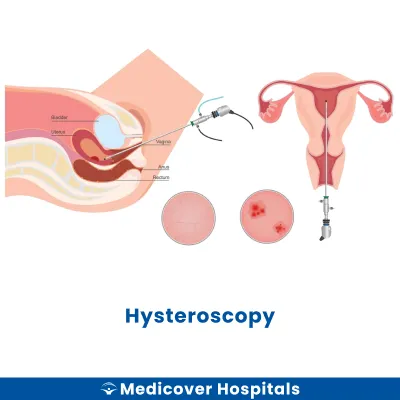
Hysteroscopy is a medical procedure used to examine the inside of the uterus (womb). It involves the use of a hysteroscope, a thin, lighted tube inserted through the vagina and cervix. This allows doctors to view the uterine lining and diagnose or treat various conditions.
Hysteroscopy is needed for diagnosing and treating uterine problems like abnormal bleeding, fibroids, or Polypoid lesions. It can also help investigate infertility or repeated miscarriages. If untreated, these conditions may lead to complications like severe bleeding or infertility. Modern surgical approaches include diagnostic hysteroscopy and operative hysteroscopy, which allow for both examination and treatment in a minimally invasive manner.
Hysteroscopy Doctors Near You
Find experienced gynecologists for hysteroscopy at Medicover Hospitals across India. Choose your city and book a consultation to discuss your needs and explore treatment options.
Why Choose Medicover Hospitals for Hysteroscopy?
Get a second opinion from trusted experts and makeconfident, informed decisions.
 Get Second Opinion
Complete Guide To Hysteroscopy
Everything you need to know about the procedure, preparation, and recovery
Hysteroscopy Procedure Indications
Doctors recommend a hysteroscopy to diagnose and treat various uterine conditions. It is often suggested when symptoms persist despite initial treatments.
Abnormal Uterine Bleeding
Patients may experience heavy or irregular menstrual bleeding. On examination, doctors might find thickened endometrial lining or polyps through ultrasound. When medication fails, hysteroscopy helps in diagnosis and treatment.
Uterine Fibroids
Symptoms include pelvic pain or pressure, and prolonged periods. Imaging tests may show fibroids inside the uterine cavity. If symptoms persist despite medication, hysteroscopy can be used to remove fibroids.
Endometrial Polyps
Patients often report spotting between periods or after menopause. Ultrasound may reveal polyps within the uterus. When these symptoms are not resolved with medication, hysteroscopy is used for removal.
Infertility Investigation
Women facing difficulty in conceiving might undergo various tests. Hysteroscopy is recommended if imaging suggests uterine abnormalities that could affect fertility. It helps in diagnosing and correcting these issues.
Recurrent Miscarriages
Women with multiple miscarriages may have structural uterine problems. Tests might indicate abnormalities like septum or adhesions. Hysteroscopy allows for direct examination and correction of such issues.
Retained Products of Conception
Symptoms include prolonged bleeding after miscarriage or delivery. Ultrasound may show retained tissue in the uterus. When conservative management fails, hysteroscopy aids in removal.
How to Prepare for Hysteroscopy?
Proper preparation for a hysteroscopy ensures a smooth procedure and reduces potential complications. Follow these steps to get ready for your appointment.
- Medication Review: Stop NSAIDs, anticoagulants, and herbal supplements as advised by your doctor.
- Fasting Guidelines: If general anaesthesia is used, fast for at least 6-8 hours before the procedure.
- Bladder Management: Empty your bladder before the procedure to enhance comfort.
- Clothing Choice: Wear loose, comfortable clothing to the hospital for ease post-procedure.
- Transportation: Arrange for someone to drive you home after the procedure due to possible lingering effects of anaesthesia.
- Medication List: Bring a list of your current medications with dosages for the medical team.
- Pre-Procedure Consultation: Discuss any allergies or medical conditions with your doctor beforehand.
- Emotional Preparation: Consider relaxation techniques to ease anxiety before the procedure.
Hysteroscopy procedure (Step-by-Step)
Overview: Hysteroscopy is performed by gynecologists. The procedure typically lasts 30 minutes to an hour. It can be done under general, regional, or local anaesthesia.
- Preparation: The patient is positioned comfortably on the examination table. Anaesthesia is administered as per the patient's needs.
- Insertion of Speculum: A speculum is gently inserted into the vagina to widen it, allowing access to the cervix.
- Cervical Dilation: The cervix is dilated using a series of graduated dilators to allow the hysteroscope to pass through.
- Insertion of Hysteroscope: A hysteroscope, a thin tube with a camera, is inserted through the cervix into the uterus. Saline solution may be used to expand the uterus for better visibility.
- Examination and Treatment: The gynecologist examines the uterine cavity. Instruments like a curette may be used for cell removal or removal of polyps or fibroids if needed.
- Completion: The hysteroscope is carefully withdrawn. The patient may feel mild cramping as the uterus returns to its normal size.
- Recovery: The patient is monitored for a short period before being discharged. Mild spotting or cramping may occur post-procedure.
Who Performs Hysteroscopy procedure?
Hysteroscopy is performed by surgical gynecologists who specialise in diagnosing and treating conditions of the female reproductive system. They are trained to use the hysteroscope and other surgical instruments effectively for both diagnostic and therapeutic purposes.
Recovery After Hysteroscopy procedure
Recovery from a hysteroscopy is generally quick. Most people can resume normal activities within a few days. However, it's important to follow specific guidelines to ensure a smooth recovery.
Day 1:
- Rest is crucial. Avoid strenuous activities.
- You may experience mild cramping or spotting.
- Consume light meals like curd rice or moong dal soup to ease digestion.
Day 2-3:
- Gradually resume light activities. Avoid heavy lifting.
- Continue with a soft diet. Include foods like khichdi and dal-rice.
- Spotting may continue. Use sanitary pads instead of tampons.
Day 4-7:
- Most can return to work or school if feeling comfortable.
- Slowly reintroduce regular diet. Ensure hydration with plenty of fluids.
- Light exercises like walking can be resumed.
Week 2:
- Normal activities can generally be resumed.
- Continue to monitor for any unusual symptoms.
When to Seek Urgent Help:
- Heavy bleeding or passing large clots.
- Severe abdominal pain not relieved by medication.
- Fever or chills indicating possible infection.
- Foul-smelling discharge.
Benefits of Hysteroscopy procedure
Hysteroscopy is a minimally invasive procedure used to diagnose and treat conditions inside the uterus.
- Quick Recovery: Patients often experience a faster recovery compared to open surgery.
- Accurate Diagnosis: Provides a clear view of the uterine cavity, aiding in precise diagnosis.
- Outpatient Procedure: Many hysteroscopies are performed on an outpatient basis, reducing hospital stay.
- Minimal Scarring: As it is minimally invasive, scarring is significantly reduced.
Risks and Complications of Hysteroscopy procedure
While hysteroscopy is generally safe, like any medical procedure, it carries certain risks.
- Common: Cramping or mild pain during or after the procedure.
- Common: Light vaginal bleeding post-procedure.
- Rare: Infection, which may require antibiotics.
- Rare: Uterine perforation, which may need further treatment.
- Rare: Fluid overload, a potential complication from the fluids used during the procedure.
Cost of Hysteroscopy procedure
The cost of a hysteroscopy procedure across Medicover Hospitals ranges from Rs. ₹15,000 to ₹60,000. Prices vary based on the ward category chosen, such as day care, general, or deluxe suites.
We offer transparent pricing with support for insurance and TPA services, including CGHS, ESI, and major TPAs. Cashless facilities are available for your convenience. Please contact the hospital for the latest insurance panel details as these may change periodically
Frequently Asked Questions
1. How much does Hysteroscopy procedure cost at Medicover Hospitals?
The cost of a Hysteroscopy procedure ranges from ₹15,000 to ₹60,000 across Medicover Hospitals, depending on the type of care chosen.
2. Is Hysteroscopy procedure covered under health insurance at Medicover?
Hysteroscopy may be covered under CGHS, ESI, and major TPAs with cashless options. Please contact the hospital for current panel details.
3. Will I experience pain after Hysteroscopy?
Mild cramping and discomfort are common after a Hysteroscopy. These symptoms usually subside within a few days.
4. Can I resume normal activities after Hysteroscopy?
Most patients can return to normal activities within a day or two. However, avoid strenuous activities for at least a week.
5. Will I have bleeding after Hysteroscopy?
Light spotting or bleeding is normal for a few days post-procedure. If heavy bleeding occurs, contact your doctor immediately.
6. Can I eat normally after Hysteroscopy?
You can resume a normal diet, including curd, dal-rice, and khichdi, after the procedure. Avoid spicy foods for a few days to prevent irritation.
7. Are there risks of infection after Hysteroscopy?
Infection is rare but possible after Hysteroscopy. Watch for symptoms like fever or unusual discharge and consult your doctor if they occur.


