 Call
Call Patient Reports
Best Hospital for Hysteroscopic Septum Resection Surgery with Expert Care
Hysteroscopic Septum Resection at Medicover Hospitals is performed using advanced endoscopic techniques by skilled gynecologists with qualifications such as MS, DNB, and FMAS. This minimally invasive procedure results in reduced blood loss and a shorter hospital stay, enhancing patient recovery and comfort.
Expert Surgeons
Yearly Surgeries
Patient Satisfaction
What is Hysteroscopic Septum Resection Surgery?
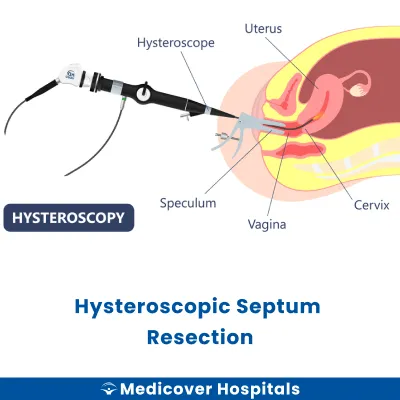
Hysteroscopic Septum Resection is a surgical procedure that involves the removal of a septum (a partition) within the uterus (womb). This septum is a congenital anomaly, meaning it is present from birth. It can divide the uterine cavity, potentially affecting fertility and pregnancy outcomes. The procedure is performed using a hysteroscope, a thin, lighted tube, allowing the surgeon to see and operate inside the uterus.
This surgery is needed when a uterine septum causes recurrent miscarriages or infertility. If left untreated, it can lead to complications in pregnancy. Hysteroscopic Septum Resection is a minimally invasive approach. It offers a quicker recovery and less pain compared to traditional surgery. Modern techniques ensure precision in removing the septum, improving reproductive outcomes. Always consult a specialist for advice on this procedure.
Hysteroscopic Septum Resection Doctors Near You
Find experienced gynecologists for hysteroscopic septum resection at Medicover Hospitals across India. Choose your city and book a consultation to address your health needs effectively.
Why Choose Medicover Hospitals for Hysteroscopic Septum Resection?
Get a second opinion from trusted experts and makeconfident, informed decisions.
 Get Second Opinion
Complete Guide To Hysteroscopic Septum Resection
Everything you need to know about the procedure, preparation, and recovery
Hysteroscopic Septum Resection Surgery Indications
Doctors recommend hysteroscopic septum resection when a uterine septum causes reproductive issues or symptoms that affect a woman's quality of life. This procedure is considered when conservative treatments do not provide relief or improve fertility outcomes.
Recurrent Miscarriages
Women experiencing multiple miscarriages may have a uterine septum. This structural anomaly can be identified through imaging tests like an MRI or hysterosalpingography. When recurrent pregnancy loss is linked to a septum, surgery is often advised.
Infertility
Some women face difficulty conceiving due to a uterine septum. Doctors may detect this condition during fertility evaluations using ultrasound or hysteroscopy. If infertility persists despite other treatments, resection may be recommended.
Abnormal Uterine Bleeding
Heavy or irregular menstrual bleeding can be a symptom of a uterine septum. Gynecologists may find this condition during a pelvic exam or imaging studies. When bleeding is severe and unresponsive to medication, surgery may be necessary.
Pelvic Pain
Chronic pelvic pain without other identifiable causes might be due to a uterine septum. This can be confirmed through diagnostic imaging. If pain management fails, surgical intervention may be considered.
Recurrent Pregnancy Complications
Women with repeated pregnancy complications, such as preterm birth, may have a septum. This is often diagnosed through imaging or during previous pregnancy evaluations. Surgery is suggested when complications are linked to the septum.
How to Prepare for Hysteroscopic Septum Resection Surgery?
Proper preparation for a hysteroscopic septum resection ensures a smoother procedure and recovery. It helps in minimizing risks and enhances the effectiveness of the surgery.
- Medication Review: Stop NSAIDs, anticoagulants, and herbal supplements at least a week before surgery. Consult your doctor for specific instructions.
- Fasting: Do not eat or drink anything for at least 6-8 hours before the procedure to prepare for anaesthesia.
- Bowel Preparation: Follow any specific bowel prep instructions given by your healthcare provider to ensure a clear view during the procedure.
- Clothing: Wear loose, comfortable clothing on the day of the surgery for ease and comfort post-procedure.
- Transportation: Arrange for someone to drive you home after the procedure as you may feel drowsy from the anaesthesia.
- Medication List: Bring a list of all medications you are currently taking, including dosages, to share with the medical team.
- Pre-Surgery Instructions: Follow any additional instructions provided by your surgeon to ensure you are fully prepared.
- Contact Information: Keep emergency contact details handy for any post-procedure queries or concerns.
Hysteroscopic Septum Resection Surgery (Step-by-Step)
This procedure is performed by gynecologists. It typically lasts between 30 to 60 minutes. General or regional anaesthesia is commonly used to ensure patient comfort.
- Preparation: The patient is positioned comfortably. Anaesthesia is administered. The cervix is gently dilated to allow the hysteroscope to pass through.
- Insertion of Hysteroscope: A hysteroscope, a thin tube with a camera, is inserted through the vagina and cervix into the uterus. This allows the surgeon to view the uterine cavity on a monitor.
- Identification of Septum: The uterine septum is located using the camera. The surgeon examines the size and position of the septum.
- Resection of Septum: A resectoscope, equipped with a bipolar cautery, is used to carefully cut and remove the septum. This step requires precision to avoid damage to surrounding tissues.
- Inspection and Cleaning: The uterine cavity is inspected to ensure complete removal of the septum. Any remaining tissue is gently removed, and the area is cleaned.
- Completion: The hysteroscope is withdrawn. The patient is moved to a recovery area for monitoring as the anaesthesia wears off.
Who Performs Hysteroscopic Septum Resection Surgery?
This surgery is performed by experienced gynecologists. They are trained in minimally invasive techniques and use specialized instruments to ensure effective treatment.
Recovery After Hysteroscopic Septum Resection Surgery
Recovery from hysteroscopic septum resection surgery is generally smooth, with most women resuming normal activities within a few days. However, it's important to follow your doctor's advice to ensure a safe and quick recovery.
Day 1-3:
- Rest is crucial. Avoid strenuous activities.
- Light spotting or discharge is normal.
- Consume light meals. Opt for easily digestible Indian foods like curd, dal-rice, and khichdi.
Day 4-7:
- Gradually increase activity levels. Short walks are encouraged.
- Continue with a balanced diet. Include moong dal and soups for nutrition.
- Avoid lifting heavy objects or intense exercise.
Day 8-14:
- Most women can return to work or school by the end of this period.
- Resume normal activities but listen to your body. Rest if you feel fatigued.
- Maintain a healthy diet. Include a variety of fruits and vegetables.
When to Seek Urgent Help:
- Heavy bleeding or large clots.
- Severe abdominal pain or cramping.
- Fever or chills, indicating possible infection.
- Foul-smelling discharge.
Always follow up with your doctor as advised. If you have any concerns, do not hesitate to contact your healthcare provider.
Benefits of Hysteroscopic Septum Resection Surgery
Hysteroscopic septum resection is a minimally invasive procedure that can offer several benefits for women experiencing reproductive issues.
- Improved Fertility: Helps in increasing the chances of conception by correcting uterine abnormalities.
- Reduced Miscarriage Risk: Decreases the likelihood of recurrent miscarriages associated with a uterine septum.
- Minimally Invasive: Involves no external incisions, leading to quicker recovery and less postoperative discomfort.
- Shorter Hospital Stay: Often performed as an outpatient procedure, allowing patients to return home the same day.
Risks and Complications of Hysteroscopic Septum Resection Surgery
While generally safe, hysteroscopic septum resection carries some risks and potential complications.
- Mild cramping and spotting after the procedure.
- Infection risk, though rare, can occur and may require treatment.
- Uterine perforation, which may need further surgical intervention.
- Fluid overload from the distension medium used during the procedure.
- Formation of intrauterine adhesions, potentially affecting future fertility.
What is the Cost of Hysteroscopic Septum Resection Surgery?
The cost of Hysteroscopic Septum Resection Surgery at Medicover Hospitals ranges from Rs. 75,000 to Rs. 202,000. The price varies depending on the ward category chosen, such as day care, general, private, or deluxe suites. We offer transparent pricing to ensure clarity for our patients.
Insurance and TPA support is available, with CGHS, ESI, and major TPAs accepted. A cashless facility is also offered for added convenience. Please contact the hospital for the latest insurance panel details as these may change periodically.
Frequently Asked Questions
1. How much does Hysteroscopic Septum Resection surgery cost at Medicover Hospitals?
The cost for Hysteroscopic Septum Resection surgery ranges from Rs. 75,000 to Rs. 202,000 across Medicover Hospitals.
2. Is Hysteroscopic Septum Resection surgery covered under health insurance at Medicover?
Hysteroscopic Septum Resection surgery may be covered by CGHS, ESI, and major TPAs. Please contact the hospital for current panel details.
3. Will I experience changes in menstrual cycle?
After hysteroscopic septum resection, some women may notice changes in their menstrual cycle. This is usually temporary and should normalise in a few months.
4. Can I conceive naturally after the surgery?
Many women can conceive naturally after hysteroscopic septum resection. It is advisable to consult your doctor for specific guidance based on your condition.
5. Will I need hormone therapy post-surgery?
Hormone therapy is not typically required after hysteroscopic septum resection. However, your doctor will advise you based on your individual health needs.
6. What foods aid recovery after the surgery?
Post-surgery, a diet including curd, dal-rice, and khichdi can aid recovery. These foods are gentle on the stomach and provide necessary nutrients.
7. Is there a risk of uterine perforation?
Uterine perforation is a rare but possible complication of hysteroscopic septum resection. Your surgeon will take precautions to minimise this risk.


