 Call
Call Patient Reports
Best Hospital for Histiocytosis Maintenance Therapy with Advanced Oncology Care
At Medicover Hospitals, our team of oncologists with qualifications like MS, DNB, MCh, and DM, offer Histiocytosis Maintenance Therapy using advanced endoscopic techniques. This approach results in smaller incisions and reduced blood loss, enhancing patient recovery and comfort across India.
Expert Specialists
Yearly Treatments
Patient Satisfaction
What is Histiocytosis Maintenance Therapy?
Histiocytosis Maintenance Therapy is a medical treatment aimed at managing histiocytosis, a condition affecting the immune system. It involves the abnormal growth of histiocytes (a type of white blood cell) that can infiltrate organs such as the skin, bones, liver, and lungs. The therapy helps control symptoms and prevent progression, ensuring the body's organs function properly.
This therapy is essential for conditions like Langerhans Cell Histiocytosis and Hemophagocytic Lymphohistiocytosis. If left untreated, these conditions can lead to organ damage and serious health complications. Modern approaches to Histiocytosis Maintenance Therapy include targeted drug therapies and immunotherapy. These methods aim to reduce the activity of abnormal cells and support the immune system's balance.
Histiocytosis Maintenance Therapy Doctors Near You
Find experienced oncologists for histiocytosis maintenance therapy at Medicover Hospitals across India. Choose your city and book a consultation to receive expert care tailored to your needs.
Why Choose Medicover Hospitals for Histiocytosis Maintenance Therapy?
Get a second opinion from trusted experts and makeconfident, informed decisions.
 Get Second Opinion
Complete Guide To Histiocytosis Maintenance Therapy
Everything you need to know about the procedure, preparation, and recovery
Histiocytosis Maintenance Therapy Procedure Indications
Doctors recommend Histiocytosis Maintenance Therapy when initial treatments for histiocytosis have controlled the disease, but ongoing management is needed to prevent relapse. This therapy helps maintain remission and manage symptoms that persist despite initial interventions.
Persistent Skin Lesions
Patients may experience rashes or skin nodules that do not resolve with initial treatment. On examination, these lesions may appear inflamed or ulcerated. If topical or systemic therapies fail to improve the skin condition, maintenance therapy is considered.
Recurrent Bone Pain
Severe bone pain can persist even after initial histiocytosis treatment. Imaging may reveal lytic bone lesions or fractures. When pain management and initial therapies do not provide relief, maintenance therapy is recommended.
Chronic Lung Involvement
Patients might have difficulty breathing or a persistent cough. Chest X-rays or CT scans may show nodules or cystic changes in the lungs. If respiratory symptoms continue despite treatment, maintenance therapy is advised.
Endocrine Dysfunction
Symptoms like excessive thirst or fatigue may indicate endocrine issues. Blood tests might show abnormal hormone levels. When hormone replacement and other treatments are insufficient, maintenance therapy is necessary.
Recurrent Infections
Frequent infections can occur due to immune system involvement. Lab tests may show low blood cell counts. If infections persist despite antibiotics and supportive care, maintenance therapy is considered.
How to Prepare for Histiocytosis Maintenance Therapy?
Preparation is crucial for the success of histiocytosis maintenance therapy. It ensures that the treatment is effective and minimizes potential complications.
- Medication Review: Inform your doctor about all medications. Stop NSAIDs, anticoagulants, and herbal supplements as advised.
- Fasting Instructions: If sedation is required, fast for at least 6 hours before the procedure.
- Hydration: Stay well-hydrated unless instructed otherwise. It helps in the administration of medication.
- Comfortable Clothing: Wear loose, comfortable clothing on the day of the therapy for ease of movement.
- Transport Arrangement: Arrange for someone to drive you home post-therapy, as you might feel drowsy.
- Medication List: Bring a list of your current medications with dosages for reference.
- Pre-Therapy Tests: Complete any required blood tests or imaging studies as scheduled.
- Communication: Discuss any concerns or symptoms with your healthcare provider before starting therapy.
Histiocytosis Maintenance Therapy Procedure (Step-by-Step)
Histiocytosis maintenance therapy is supervised by experienced specialists from the Oncology department. The duration of therapy varies depending on the patient's condition and response to treatment. Since this is a medication-based treatment approach, anaesthesia is generally not required.
- Initial Assessment: The oncologist reviews the patient's medical history, previous treatments, and current disease status through physical examination, blood tests, and imaging studies.
- Treatment Planning: A personalized medication regimen is prepared to help control symptoms, prevent disease progression, and maintain long-term stability.
- Medication Administration: Prescribed medications may be given orally or by injection, depending on the treatment protocol and the patient's requirements.
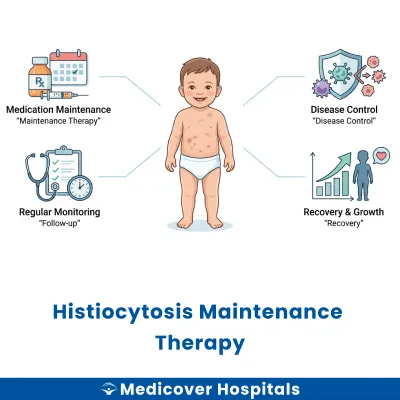
- Regular Monitoring: Follow-up appointments, laboratory tests, and imaging evaluations are conducted regularly to assess treatment response and overall health.
- Side Effect Management: The healthcare team monitors and manages treatment-related side effects, making medication adjustments if required.
- Patient Education: Patients and caregivers are educated about medication adherence, symptom monitoring, and when to seek medical attention.
- Long-Term Follow-Up: Ongoing evaluations are scheduled to ensure continued disease control and effective long-term management.
Who performs the Histiocytosis Maintenance Therapy Procedure?
This therapy is managed by a skilled oncology doctor trained in diagnosing and treating cancers and related disorders, providing comprehensive and personalised care throughout the treatment journey.
Recovery After Histiocytosis Maintenance Therapy procedure
Recovery from Histiocytosis Maintenance Therapy involves gradual improvement in energy levels and overall well-being. Patients may experience fatigue and mild discomfort, which generally improve over time. Following medical advice and maintaining a healthy lifestyle can aid in a smoother recovery.
Phase 1: First Week
- Rest is crucial. Avoid strenuous activities.
- Focus on a balanced diet. Include easily digestible foods like curd, dal-rice, and khichdi.
- Stay hydrated. Drink plenty of water and light soups.
- Monitor for any unusual symptoms and report them to your doctor.
Phase 2: Second Week
- Gradually increase light activities as tolerated.
- Continue with nutritious meals. Incorporate moong dal and fresh fruits.
- Begin short walks if feeling up to it, but avoid overexertion.
- Most patients can resume work or school towards the end of this phase, depending on their recovery pace.
Phase 3: Third Week Onwards
- Return to normal activities as energy levels permit.
- Maintain a balanced diet to support immune function.
- Regular follow-ups with your healthcare provider are essential.
When to Seek Urgent Help
- Persistent fever or chills.
- Severe fatigue or weakness.
- Unexplained bruising or bleeding.
- Difficulty breathing or chest pain.
- Severe abdominal pain or swelling.
Benefits of Histiocytosis Maintenance Therapy procedure
Histiocytosis maintenance therapy aims to manage symptoms and prevent disease progression.
- Symptom Control: Helps in reducing and managing symptoms associated with histiocytosis.
- Disease Stabilisation: Aims to prevent further progression of the disease.
- Improved Quality of Life: May enhance daily functioning and overall well-being.
- Long-term Management: Provides a structured approach to managing the condition over time.
Risks and Complications of Histiocytosis Maintenance Therapy procedure
While maintenance therapy can be beneficial, it is important to be aware of potential risks and complications.
- Common: Fatigue and general weakness may occur as side effects of the therapy.
- Common: Gastrointestinal issues like nausea or vomiting can be experienced.
- Rare: Risk of infection due to immune system suppression.
- Rare: Liver function abnormalities may develop in some patients.
- Rare: Allergic reactions to medications used in therapy.
- Rare: Bone marrow suppression leading to blood cell count changes.
Cost of Histiocytosis Maintenance Therapy procedure
The cost of Histiocytosis Maintenance Therapy at Medicover Hospitals ranges from Rs. 3,100 to Rs. 353,000. The price varies depending on the ward category chosen, such as outpatient, day care, general, and more. We offer transparent pricing to ensure clarity.
Insurance and TPA support, including CGHS, ESI, and major TPAs, are accepted. A cashless facility is also available for your convenience. Please contact the hospital for the latest insurance panel details as these may change periodically.
Frequently Asked Questions
1. How much does Histiocytosis Maintenance Therapy cost?
The cost ranges from Rs. 3,100 to Rs. 353,000 across Medicover Hospitals, depending on the type of care and accommodation chosen.
2. Is Histiocytosis Maintenance Therapy covered under insurance?
It is often covered by CGHS, ESI, and major TPAs, with cashless options available. Please contact the hospital for current panel details.
3. Can histiocytosis affect my child's growth?
Histiocytosis can potentially impact growth due to its effects on the bones and organs. Regular monitoring and treatment can help manage these issues.
4. Will my child need long-term medication?
Long-term medication may be necessary to manage histiocytosis symptoms and prevent recurrence. Your doctor will tailor the treatment plan based on your child's condition.
5. Can histiocytosis cause skin problems?
Yes, histiocytosis can lead to skin rashes and lesions. Treatment focuses on managing these symptoms and preventing further complications.
6. Is fatigue common during maintenance therapy?
Fatigue is a common side effect during histiocytosis maintenance therapy. Adequate rest and a balanced diet, including curd and dal-rice, can help manage it.
7. Will my child need a special diet during treatment?
A nutritious diet with foods like khichdi, fruits, and vegetables is recommended. It supports the immune system and overall health during treatment.
8. What are the treatment options for histiocytosis?
Treatment depends on the type and extent of disease. Options include observation (for mild cases), corticosteroids, chemotherapy, targeted therapy, radiation therapy (in select cases), and surgery for localized lesions.
9. What is the first-line treatment for LCH?
The first-line treatment for Langerhans Cell Histiocytosis is usually a combination of corticosteroids (like prednisone) and chemotherapy drugs (commonly vinblastine), especially in multisystem disease.
10. How long is chemotherapy for LCH?
Chemotherapy for LCH typically lasts about 6 to 12 months, depending on the severity, response to treatment, and whether the disease is single-system or multisystem.
11. How is histiocytosis cancer treated?
Histiocytosis is treated using a personalized approach, which may include chemotherapy, steroids, targeted therapy, or surgery. Advanced or recurrent cases may require long-term treatment and close follow-up to control the disease and prevent relapse.


