 Call
Call Patient Reports
High Dose Rate Intracavitary Brachytherapy Procedure by Expert Oncologists
High Dose Rate Intracavitary Brachytherapy at Medicover Hospitals is performed using advanced techniques like endoscopic approaches. Our team of skilled oncologists, with qualifications such as MS, DNB, and DM, ensures precise treatment. This method often results in shorter hospital stays for patients.
Expert Specialists
Yearly Treatments
Patient Satisfaction
What is High Dose Rate Intracavitary Brachytherapy?
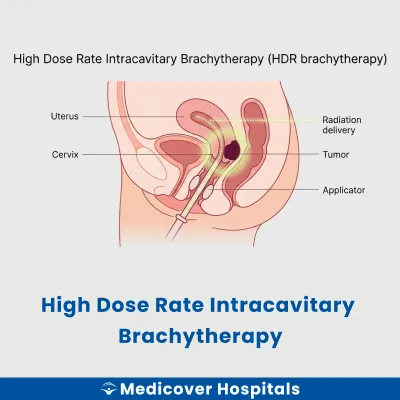
High Dose Rate Intracavitary Brachytherapy is a form of internal radiation therapy. It involves placing a radioactive source inside a body cavity, such as the cervix or uterus. This method delivers high doses of radiation directly to the tumour. It minimises exposure to surrounding healthy tissues. The procedure is typically used for cancers affecting the cervix, uterus, or vagina.
This therapy is essential for treating certain types of gynaecological cancers. Conditions like cervical cancer often require this treatment. If left untreated, these cancers can progress and spread to other parts of the body. Modern surgical approaches for High Dose Rate Intracavitary Brachytherapy include image-guided techniques. These enhance precision and effectiveness. Early intervention is crucial to prevent complications and improve outcomes.
High Dose Rate Intracavitary Brachytherapy Doctors Near You
Discover skilled oncologists for high dose rate intracavitary brachytherapy at Medicover Hospitals across India. Choose your city and book a consultation to explore treatment options tailored to your needs.
Why Choose Medicover Hospitals for High Dose Rate Intracavitary Brachytherapy?
Get a second opinion from trusted experts and makeconfident, informed decisions.
 Get Second Opinion
Complete Guide To High Dose Rate Intracavitary Brachytherapy
Everything you need to know about the procedure, preparation, and recovery
High Dose Rate Intracavitary Brachytherapy procedure Indications
Doctors recommend High Dose Rate Intracavitary Brachytherapy for certain cancers where targeted radiation can be beneficial. This procedure is often chosen when tumours are accessible through body cavities, allowing precise treatment.
Cervical Cancer
Patients may experience abnormal vaginal bleeding or pelvic pain. Imaging and biopsy reveal tumour presence in the cervix. When chemotherapy and external radiation are insufficient, this procedure is considered.
Endometrial Cancer
Symptoms include unusual uterine bleeding and pelvic discomfort. Ultrasound and biopsy confirm cancer in the uterine lining. If initial treatments do not control the disease, brachytherapy is recommended.
Vaginal Cancer
Signs include vaginal bleeding and discharge. Examination and imaging show tumour growth in the vaginal area. When external radiation and other therapies are inadequate, this method is used.
Prostate Cancer
Patients may have urinary difficulties and pelvic pain. PSA levels and imaging indicate cancerous growth in the prostate. When other treatments fail to control the spread, this procedure is an option.
Rectal Cancer
Symptoms include rectal bleeding and bowel habit changes. Colonoscopy and imaging detect tumours in the rectum. If surgery and chemotherapy do not suffice, brachytherapy is considered.
How to Prepare for High Dose Rate Intracavitary Brachytherapy?
Preparation is crucial for High Dose Rate Intracavitary Brachytherapy to ensure safety and effectiveness. Proper preparation can help minimise complications and enhance recovery.
- Medication Review: Stop NSAIDs, anticoagulants, and herbal supplements as advised by your doctor.
- Fasting: Follow a fasting period of at least 6 hours before the procedure if anaesthesia is required.
- Bowel Preparation: Complete any bowel prep instructions given by your healthcare provider to ensure a clear view during the procedure.
- Clothing: Wear loose, comfortable clothing on the day of the procedure for ease and comfort.
- Transport Arrangement: Arrange for someone to drive you home after the procedure, as you may feel drowsy from anaesthesia.
- Medication List: Bring a list of all medications you are taking, including dosages, to share with the medical team.
- Hydration: Stay well-hydrated before the fasting period begins to maintain good hydration levels.
- Pelvic Floor Exercises: Practice any recommended pelvic floor exercises to strengthen muscles and aid recovery.
High Dose Rate Intracavitary Brachytherapy procedure (Step-by-Step)
Overview: This procedure is performed by oncologists. It typically lasts 30-60 minutes. It is usually done under regional or local anaesthesia.
- Preparation: The patient is positioned comfortably. Anaesthesia is administered to ensure minimal discomfort.
- Insertion of Applicator: A specialised applicator is gently inserted into the body cavity. This is done through natural openings, so no incisions are needed.
- Imaging Guidance: Imaging techniques like ultrasound or CT scans guide the precise placement of the applicator. This ensures accurate delivery of radiation.
- Radiation Delivery: The radioactive source is placed within the applicator. High dose radiation is delivered directly to the target area for a specified duration.
- Monitoring: The patient is monitored throughout the procedure. This ensures safety and effectiveness of the treatment.
- Removal of Applicator: Once the radiation delivery is complete, the applicator is carefully removed. The patient may feel slight discomfort during this step.
- Post-Procedure Care: The patient is observed for a short period. Instructions on care and follow-up are provided before discharge.
Who Performs High Dose Rate Intracavitary Brachytherapy procedure?
This procedure is performed by radiation oncology doctors. They are specialists trained in delivering targeted radiation therapy. Their expertise ensures precise treatment to the affected area while minimising exposure to surrounding tissues.
Recovery After High Dose Rate Intracavitary Brachytherapy procedure
Recovery after High Dose Rate Intracavitary Brachytherapy involves gradual healing and monitoring. Patients may experience mild discomfort, fatigue, and slight vaginal discharge. Following the doctor's advice is crucial for a smooth recovery.
Day 1-3:
- Rest is essential. Avoid strenuous activities.
- Light walking is encouraged to improve circulation.
- Consume soft, easily digestible foods like khichdi, dal-rice, and soups.
Day 4-7:
- Gradually increase activity levels. Avoid heavy lifting.
- Continue with a balanced diet. Include curd and moong dal for protein and probiotics.
- Monitor for any unusual symptoms.
Week 2:
- Most patients can resume work or school, depending on individual recovery.
- Maintain a nutritious diet with plenty of fluids.
- Engage in light exercises like walking or yoga, as advised by your doctor.
Phase 3 (Week 3-4):
- Return to normal activities, but continue to avoid heavy physical exertion.
- Regular follow-up appointments are essential to monitor recovery.
- Maintain a healthy diet to support healing.
When to Seek Urgent Help:
- Severe abdominal pain or heavy vaginal bleeding.
- High fever or signs of infection.
- Persistent nausea or vomiting.
- Any unusual symptoms or concerns should be reported to your healthcare provider immediately.
Benefits of High Dose Rate Intracavitary Brachytherapy procedure
High Dose Rate Intracavitary Brachytherapy is a targeted treatment for certain cancers, offering several advantages.
- Precision Treatment: Delivers radiation directly to the tumour, minimising exposure to surrounding healthy tissues.
- Shorter Treatment Time: Sessions are typically shorter compared to external beam radiation therapy.
- Outpatient Procedure: Often performed on an outpatient basis, reducing hospital stay.
- Effective for Localised Tumours: Particularly beneficial for treating cancers confined to a specific area.
Risks and Complications of High Dose Rate Intracavitary Brachytherapy procedure
While generally safe, High Dose Rate Intracavitary Brachytherapy carries some risks and potential complications.
Common Risks
- Localised irritation or discomfort at the treatment site.
- Temporary side effects like fatigue or nausea.
Rare Risks
- Damage to nearby organs or tissues due to radiation exposure.
- Infection at the insertion site.
- Bleeding or discharge from the treatment area.
- Long-term changes in bowel or bladder function.
Cost of High Dose Rate Intracavitary Brachytherapy procedure
The cost of High Dose Rate Intracavitary Brachytherapy at Medicover Hospitals ranges from ₹1,20,000 to ₹4,50,000. The price varies depending on the ward category chosen, such as outpatient, day care, general, and private suites.
We offer transparent pricing and support for insurance and TPA, including CGHS, ESI, and major TPAs. A cashless facility is also available for your convenience. Please contact the hospital for the latest insurance panel details as these may change periodically.
Frequently Asked Questions
1. How much does High Dose Rate Intracavitary Brachytherapy procedure cost at Medicover Hospitals?
The cost for High Dose Rate Intracavitary Brachytherapy ranges from ₹1,20,000 to ₹4,50,000 across Medicover Hospitals.
2. Is High Dose Rate Intracavitary Brachytherapy procedure covered under health insurance at Medicover?
High Dose Rate Intracavitary Brachytherapy may be covered by CGHS, ESI, and major TPAs with cashless options. Please contact the hospital for current panel details.
3. Will High Dose Rate Intracavitary Brachytherapy affect bladder function?
Some patients may experience temporary bladder irritation post-procedure. It usually resolves within a few weeks with proper care.
4. Can I resume sexual activity after High Dose Rate Intracavitary Brachytherapy?
It is generally advised to wait a few weeks before resuming sexual activity. Consult your doctor for personalised guidance based on your recovery.
5. Will High Dose Rate Intracavitary Brachytherapy cause vaginal dryness?
Vaginal dryness is a possible side effect of this procedure. Using lubricants or moisturisers can help manage this condition.
6. Is there a risk of infection after High Dose Rate Intracavitary Brachytherapy?
There is a small risk of infection, but it can be managed with antibiotics. Maintaining hygiene and following medical advice can minimise this risk.
7. Can I eat spicy food after High Dose Rate Intracavitary Brachytherapy?
It is recommended to avoid spicy foods initially. Opt for bland, easy-to-digest meals like curd rice or khichdi for the first few weeks.


