 Call
Call Patient Reports
Hemorrhoidectomy and Fissurectomy Surgery by Expert General Surgeons
At Medicover Hospitals, our general surgeons, with qualifications like MS, DNB, and FMAS, perform open Hemorrhoidectomy and Fissurectomy. These procedures effectively address hemorrhoids and anal fissures. Patients benefit from shorter hospital stays and quicker recovery times, enhancing their overall treatment experience.
Expert Surgeons
Yearly Surgeries
Patient Satisfaction
What is Hemorrhoidectomy and Fissurectomy?
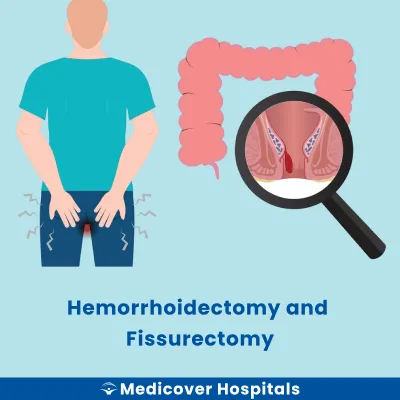
Hemorrhoidectomy is a surgical procedure to remove hemorrhoids, which are swollen veins in the rectum or anus. Fissurectomy involves the removal of anal fissures, which are small tears in the lining of the anus. Both procedures target the anal region to alleviate discomfort and promote healing.
These surgeries are needed when conservative treatments fail. Hemorrhoids can cause pain, bleeding, and irritation. Anal fissures lead to severe pain and bleeding during bowel movements. If left untreated, these conditions can worsen, leading to complications. Modern surgical approaches include laser hemorrhoidectomy and lateral internal sphincterotomy for fissures. These techniques aim to reduce recovery time and improve outcomes.
Hemorrhoidectomy and Fissurectomy Doctors Near You
Discover skilled general-surgeons for hemorrhoidectomy and fissurectomy at Medicover Hospitals across India. Choose your city and book a consultation to address your needs with experienced professionals.
Why Choose Medicover Hospitals for Hemorrhoidectomy and Fissurectomy?
Get a second opinion from trusted experts and makeconfident, informed decisions.
 Get Second Opinion
Complete Guide To Hemorrhoidectomy And Fissurectomy
Everything you need to know about the procedure, preparation, and recovery
Hemorrhoidectomy and Fissurectomy Surgery Indications
Doctors recommend Hemorrhoidectomy and Fissurectomy when non-surgical treatments fail to relieve symptoms. These procedures address severe cases of hemorrhoids and anal fissures causing significant discomfort.
Persistent Pain and Bleeding
Patients often experience severe pain and bleeding during bowel movements. Examination may reveal swollen, prolapsed hemorrhoids or a chronic fissure. When ointments and dietary changes do not help, surgery is considered.
Recurrent Hemorrhoids
Some patients face frequent hemorrhoid flare-ups, causing discomfort and bleeding. Doctors may find enlarged hemorrhoids that do not respond to rubber band ligation or sclerotherapy treatment. Surgery becomes necessary to provide relief.
Chronic Anal Fissure
Patients with a long-standing anal fissure experience sharp pain and bleeding. Examination shows a visible tear in the anal lining. When topical treatments and botulinum toxin injections fail, fissurectomy is advised.
Thrombosed Hemorrhoids
Severe pain and a hard lump near the anus are common symptoms. Examination reveals a blood clot within an external hemorrhoid. If conservative measures like sitz baths and pain relief do not work, surgical removal is needed.
Non-Healing Fissure
Despite medication, some fissures do not heal, causing ongoing pain. Examination confirms a persistent tear. Surgery is recommended when healing does not occur after six weeks of non-surgical treatment.
How to Prepare for Hemorrhoidectomy and Fissurectomy?
Proper preparation is crucial for a smooth surgery and recovery. It helps minimise complications and ensures a quicker return to normal activities.
- Medication Review: Stop NSAIDs, anticoagulants, and herbal supplements 7-10 days prior. Consult your doctor.
- Fasting: Fast for at least 8 hours before the procedure if general anaesthesia is used.
- Bowel Preparation: Follow your doctor's instructions for bowel prep to ensure a clear surgical area.
- Clothing: Wear loose, comfortable clothing on the day of surgery for ease and comfort post-procedure.
- Transportation: Arrange for someone to drive you home after the surgery as you may feel drowsy.
- Medication List: Bring a list of your current medications with dosages to the hospital.
- Pre-Surgery Hygiene: Take a shower the night before or the morning of the surgery to reduce infection risk.
- Pelvic Floor Exercises: Start these exercises if advised by your doctor to aid recovery.
Hemorrhoidectomy and Fissurectomy Surgery (Step-by-Step)
Overview: These procedures are performed by general surgeons. The typical duration ranges from 30 to 60 minutes. Anaesthesia can be general, regional, or local, depending on the patient's condition and the surgeon's preference.
- Preparation: The patient is positioned comfortably on the surgical table. Anaesthesia is administered to ensure no pain during the procedure.
- Incision: A small incision, usually 1-2 cm, is made around the affected area. This allows access to the hemorrhoids or fissures.
- Excision: The surgeon uses instruments like a harmonic scalpel or bipolar cautery to carefully remove the hemorrhoidal tissue or fissure. This step requires precision to avoid damage to surrounding tissues.
- Hemostasis: Bleeding is controlled using bipolar cautery. This ensures the surgical site is clean and reduces the risk of postoperative bleeding.
- Closure: The incision is closed with sutures or left open to heal naturally, depending on the surgical technique used.
- Recovery: The patient is moved to the recovery room. Nurses monitor vital signs as the anaesthesia wears off.
- Postoperative Care: Pain management and instructions for home care are provided. The patient is advised on dietary changes and activity restrictions to aid recovery.
Who Performs Hemorrhoidectomy and Fissurectomy Surgery?
These surgeries are performed by general surgeons with expertise in colorectal procedures. They are trained to handle the complexities of anal and rectal surgeries, ensuring safe and effective treatment.
Recovery After Hemorrhoidectomy and Fissurectomy Surgery
Recovery from Hemorrhoidectomy and Fissurectomy surgery requires patience and care. You may experience discomfort and need to follow specific guidelines to ensure smooth healing.
Day 1-3:
- Expect some pain and swelling. Pain relief medication will be prescribed.
- Rest is crucial. Avoid any strenuous activities.
- Consume a soft diet. Include foods like curd, dal-rice, and soups.
Day 4-7:
- Gradually resume light activities as tolerated.
- Continue with a fibre-rich diet. Khichdi and moong dal are good options.
- Maintain hydration. Drink plenty of water.
Day 8-14:
- Most patients can return to work or school, depending on the nature of their activities.
- Introduce more solid foods slowly. Avoid spicy and oily foods.
- Continue to avoid heavy lifting and intense physical activities.
Phase 3: Week 3-4
- Resume normal activities gradually. Listen to your body.
- Maintain a balanced diet to prevent constipation.
- Regular follow-up with your doctor is advised.
When to Seek Urgent Help
- Severe pain not relieved by medication.
- Excessive bleeding or discharge from the surgical site.
- Fever or signs of infection.
- Inability to pass urine or stools.
If you experience any of these symptoms, contact your healthcare provider immediately for guidance.
Benefits of Hemorrhoidectomy and Fissurectomy Surgery
These surgeries can offer relief from pain and discomfort caused by hemorrhoids and anal fissures.
- Pain Relief: Significant reduction in pain associated with hemorrhoids and fissures.
- Improved Bowel Movements: Easier and less painful bowel movements post-surgery.
- Reduced Bleeding: Decrease in bleeding during bowel movements.
- Enhanced Quality of Life: Overall improvement in daily activities and comfort.
Risks and Complications of Hemorrhoidectomy and Fissurectomy Surgery
While these surgeries are generally safe, they do carry some risks and potential complications.
Common Risks
- Pain at the surgical site, which may require pain management.
- Bleeding during or after the procedure.
- Difficulty urinating post-surgery.
Rare Risks
- Infection at the site of surgery.
- Narrowing of the anal canal (anal stenosis)
- Recurrence of hemorrhoids or fissures.
Cost of Hemorrhoidectomy and Fissurectomy Surgery
The cost of Hemorrhoidectomy and Fissurectomy Surgery at Medicover Hospitals ranges from ₹50,000 to ₹70,000, depending on the ward category chosen. Prices vary based on the type of accommodation and services required. We ensure transparent pricing, and our facilities support insurance and TPA services, including CGHS, ESI, and major TPAs. Cashless facilities are also available for a hassle-free experience. Please contact the hospital for the latest insurance panel details as these may change periodically.
Frequently Asked Questions
1. How much does Hemorrhoidectomy and Fissurectomy surgery cost at Medicover Hospitals?
The cost ranges from ₹50,000 to ₹70,000 across Medicover Hospitals, depending on the type of room and care required.
2. Is Hemorrhoidectomy and Fissurectomy surgery covered under health insurance at Medicover?
Yes, it is often covered by CGHS, ESI, and major TPAs, with cashless options available. Please contact the hospital for current panel details.
3. Will I experience pain during bowel movements?
Yes, mild to moderate pain during bowel movements is common initially. Pain typically decreases within a few weeks post-surgery.
4. Can I sit comfortably after surgery?
Sitting may be uncomfortable for the first few days. Using a cushion or donut pillow can help alleviate discomfort.
5. Will I need to change my diet after surgery?
Yes, a high-fibre diet including curd, dal-rice, and khichdi is recommended. This helps in softening stools and aids recovery.
6. What are the chances of recurrence after surgery?
Recurrence is possible but less likely with proper care. Following post-operative instructions and maintaining a healthy lifestyle reduces this risk.
7. Can I resume exercise post-surgery?
Light activities can be resumed after two weeks. Strenuous exercises should be avoided for at least six weeks to ensure proper healing.


