 Call
Call Patient Reports
Best Hospital for Hemoperfusion Treatment with Safe & Effective Detox Care
Hemoperfusion at Medicover Hospitals is performed using advanced techniques by skilled nephrologists with DM qualifications. This procedure helps manage kidney-related conditions effectively. Patients often experience reduced blood loss, contributing to a smoother recovery process.
Expert Specialists
Yearly Treatments
Patient Satisfaction
What is Hemoperfusion?
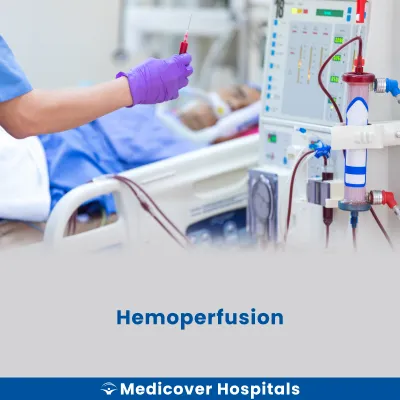
Hemoperfusion is a medical procedure that involves the removal of toxins from the blood. It is performed using a device known as a hemoperfusion cartridge. This device contains adsorbent materials that filter out harmful substances. The procedure primarily targets the bloodstream, helping to cleanse it of toxins and drugs.
This procedure is often needed in cases of drug overdose or poisoning. It is also used for certain metabolic disorders. If these conditions are left untreated, they can lead to severe complications or even be life-threatening. Modern surgical approaches for hemoperfusion include using advanced adsorbent materials and improved cartridge designs, enhancing the efficiency of toxin removal.
Hemoperfusion Doctors Near You
Find expert nephrologists for hemoperfusion at Medicover Hospitals across India. Choose your city and book a consultation to discuss your treatment options with our experienced specialists.
Why Choose Medicover Hospitals for Hemoperfusion?
Get a second opinion from trusted experts and makeconfident, informed decisions.
 Get Second Opinion
Complete Guide To Hemoperfusion
Everything you need to know about the procedure, preparation, and recovery
Hemoperfusion Procedure Indications
Doctors recommend hemoperfusion when there is a need to remove toxins or drugs from the bloodstream that cannot be effectively eliminated by the kidneys or liver. This procedure is often considered when other treatments do not yield the desired results.
Severe Drug Overdose
Patients may experience confusion, seizures, or loss of consciousness. Blood tests reveal high levels of the drug in the system. When supportive care and medications fail to reduce toxicity, hemoperfusion is considered.
Acute Poisoning
Symptoms include nausea, vomiting, and difficulty breathing. Lab tests show elevated toxin levels. If standard detoxification methods are ineffective, hemoperfusion is recommended.
Chronic Kidney Disease with Toxin Accumulation
Patients often feel fatigue, nausea, and swelling. Blood tests indicate high toxin levels not removed by dialysis. Hemoperfusion is suggested when dialysis alone does not suffice.
Severe Hepatic Failure
Signs include jaundice, confusion, and abdominal pain. Liver function tests show significant impairment. When medical management fails to control toxin buildup, hemoperfusion is advised.
Autoimmune Diseases with Circulating Immune Complexes
Symptoms include joint pain and skin rashes. Blood tests reveal high levels of immune complexes. Hemoperfusion is considered when medications do not alleviate symptoms.
How to Prepare for Hemoperfusion?
Proper preparation for hemoperfusion is crucial to ensure the procedure goes smoothly and to minimise risks. Following these steps will help you get ready effectively.
- Medication Review: Stop NSAIDs, anticoagulants, and herbal supplements as advised by your doctor.
- Fasting Guidelines: Fast for at least 6-8 hours before the procedure if anaesthesia is used.
- Hydration: Drink plenty of water the day before, unless instructed otherwise.
- Clothing: Wear loose, comfortable clothing on the day of the procedure.
- Transportation: Arrange for someone to drive you home post-procedure.
- Medication List: Bring a list of all medications you take, including dosages.
- Pre-Procedure Tests: Complete any required blood tests or imaging studies as scheduled.
- Rest: Ensure you get a good night's sleep before the procedure to help your body prepare.
Hemoperfusion Procedure (Step-by-Step)
Hemoperfusion is performed by kidney specialists. The procedure typically lasts 2 to 4 hours. It is usually done under local anaesthesia.
- Preparation: The patient is positioned comfortably. Vital signs are monitored. A local anaesthetic is applied to numb the area where the catheter will be inserted.
- Catheter Insertion: A small incision, about 1-2 cm, is made to insert a catheter into a large vein, usually in the arm or neck. The patient may feel slight pressure during this step.
- Connection to Hemoperfusion Device: The catheter is connected to the hemoperfusion device. The patient remains still to ensure proper blood flow through the device.
- Blood Filtration: Blood is drawn through the catheter and passed through a cartridge containing adsorbent material. The patient may feel a slight cooling sensation as blood is filtered.
- Monitoring: Throughout the procedure, the patient's vital signs are closely monitored. Adjustments are made as needed to maintain safety and comfort.
- Completion: Once the filtration is complete, the catheter is carefully removed. The incision site is cleaned and bandaged. The patient may feel a slight discomfort as the catheter is withdrawn.
- Post-Procedure Care: The patient is observed for a short period to ensure stability. Instructions are given for care at home. The patient may experience mild fatigue post-procedure.
Who Performs Hemoperfusion Procedure?
Hemoperfusion is performed by nephrologists. These specialists have expertise in kidney-related treatments and blood purification techniques. They ensure the procedure is conducted safely and effectively.
Recovery After Hemoperfusion Procedure
Recovery from a hemoperfusion procedure is generally smooth, but it is important to follow medical advice for optimal healing. Patients may feel tired initially, but energy levels should improve over time.
Day 1-3:
- Rest is crucial. Avoid strenuous activities.
- Hydration is important. Drink plenty of water.
- Light meals are recommended. Opt for easily digestible foods like curd, dal-rice, and soups.
Day 4-7:
- Gradually resume light activities. Avoid heavy lifting.
- Continue with a balanced diet. Include foods like khichdi and moong dal for nourishment.
- Monitor for any unusual symptoms.
Week 2:
- Most patients can return to work or school, depending on their energy levels.
- Engage in mild exercises like walking, but avoid high-intensity workouts.
- Maintain a nutritious diet to support recovery.
When to Seek Urgent Help
- Persistent dizziness or fainting spells.
- Severe or worsening pain at the access site.
- Signs of infection such as fever, redness, or swelling.
- Unusual bleeding or bruising.
If any of these symptoms occur, contact your healthcare provider immediately. Regular follow-ups are important to ensure a smooth recovery. Always adhere to the guidance provided by your medical team for the best outcomes.
Benefits of Hemoperfusion Procedure
Hemoperfusion is a medical procedure used to remove toxins from the blood. It is particularly beneficial in cases of drug overdose and certain poisonings.
- Rapid Toxin Removal: Hemoperfusion can quickly eliminate toxins from the bloodstream.
- Effective in Drug Overdose: It is effective in treating drug overdoses by filtering out harmful substances.
- Improved Patient Outcomes: Early intervention with hemoperfusion can enhance recovery chances.
- Versatile Application: Useful for a variety of toxins, including those not effectively removed by dialysis.
Risks and Complications of Hemoperfusion Procedure
While hemoperfusion can be life-saving, it carries certain risks. Understanding these can help in making informed decisions.
- Blood pressure fluctuations may occur during the procedure.
- Risk of bleeding due to anticoagulant use.
- Allergic reactions to the adsorbent materials used.
- Infection risk from catheter insertion.
- Electrolyte imbalances may develop.
Cost of Hemoperfusion Procedure
The cost of the Hemoperfusion procedure at Medicover Hospitals ranges from Rs. 7400 to Rs. 11,800 depending on the ward category. Prices vary across different ward types, ensuring options that suit various needs and preferences.
Medicover Hospitals offers transparent pricing, with support for insurance and TPA services. We accept CGHS, ESI, and major TPAs, providing a cashless facility for your convenience. Please contact the hospital for the latest insurance panel details as these may change periodically.
Frequently Asked Questions
1. How much does Hemoperfusion procedure cost at Medicover Hospitals?
The cost of a Hemoperfusion procedure at Medicover Hospitals ranges from Rs.7400 to Rs.11,800 depending on the facility and care level.
2. Is Hemoperfusion procedure covered under health insurance at Medicover?
Hemoperfusion may be covered under CGHS, ESI, and major TPAs with cashless options. Please contact the hospital for current panel details.
3. Can Hemoperfusion affect kidney function?
Hemoperfusion is designed to support kidney function by removing toxins. It is not known to negatively impact kidney health.
4. Will I need dietary changes after Hemoperfusion?
Post-Hemoperfusion, a light diet including curd, dal-rice, and khichdi is recommended. Avoid heavy and oily foods for optimal recovery.
5. Are there any side effects of Hemoperfusion?
Possible side effects include low blood pressure and allergic reactions. These are monitored and managed by the medical team.
6. Can Hemoperfusion cause anaemia?
Hemoperfusion can occasionally lead to anaemia due to blood filtering. Regular monitoring helps manage and prevent this condition.
7. Is fatigue common after Hemoperfusion?
Some patients experience fatigue post-procedure, which usually resolves within a few days. Adequate rest and hydration can aid recovery.


