 Call
Call Patient Reports
Best Hospital for Hemiarthroplasty of the Hip with Advanced Orthopedic Care
Hemiarthroplasty of the hip at Medicover Hospitals is performed using the open surgical approach. Our team of MS and DNB qualified orthopaedic surgeons specialises in joint replacement surgeries. This procedure often results in shorter hospital stays and reduced recovery times for patients.
Expert Surgeons
Yearly Surgeries
Patient Satisfaction
What is Hemiarthroplasty of the Hip?
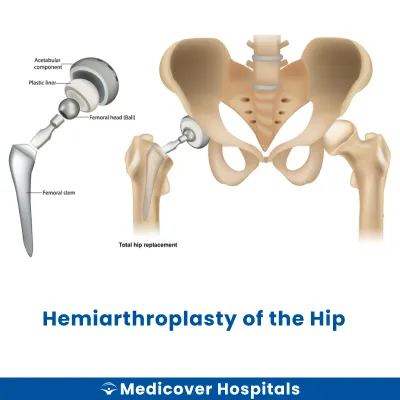
Hemiarthroplasty of the hip is a surgical procedure that involves replacing one half of the hip joint. The hip joint is where the thigh bone (femur) meets the pelvis. In this surgery, the damaged femoral head (the ball part of the joint) is replaced with a prosthetic implant. This helps restore movement and alleviate pain in the hip area.
This surgery is often needed due to conditions like hip fractures or severe arthritis. If left untreated, these conditions can lead to chronic pain and mobility issues. Modern surgical approaches for hemiarthroplasty include the posterior approach and the anterior approach. These methods aim to minimise recovery time and improve outcomes. Early intervention is crucial to prevent complications and improve quality of life.
Hemiarthroplasty of the Hip Doctors Near You
Discover skilled orthopedics for hemiarthroplasty of the hip at Medicover Hospitals across India. Choose your city and book a consultation to explore your treatment options with our experts.
Why Choose Medicover Hospitals for Hemiarthroplasty of the Hip?
Get a second opinion from trusted experts and makeconfident, informed decisions.
 Get Second Opinion
Complete Guide To Hemiarthroplasty Of The Hip
Everything you need to know about the procedure, preparation, and recovery
Hemiarthroplasty of the Hip Surgery Indications
Doctors recommend hemiarthroplasty of the hip when hip joint damage is severe and affects daily activities. This procedure is often considered when other treatments do not relieve symptoms.
Femoral Neck Fracture
Patients often experience sudden hip pain and inability to bear weight after a fall. X-rays or MRI show a fracture in the femoral neck. Surgery is advised when the fracture is displaced or when conservative treatments fail to restore function.
Severe Osteoarthritis
Chronic hip pain, stiffness, and reduced range of motion are common. Imaging reveals joint space narrowing and bone changes. Surgery is considered when pain persists despite medication and physical therapy.
Avascular Necrosis
Patients report hip pain that worsens with activity. MRI shows reduced blood supply leading to bone death in the femoral head. Surgery is needed when conservative measures do not prevent joint collapse.
Failed Internal Fixation
Persistent pain and instability occur after previous hip surgery. X-rays show non-union or hardware failure. Hemiarthroplasty is recommended when revision surgery is necessary.
Rheumatoid Arthritis
Patients experience joint pain, swelling, and deformity. Blood tests and imaging confirm inflammation and joint damage. Surgery is considered when medication and therapy do not control symptoms.
How to Prepare for Hemiarthroplasty of the Hip?
Proper preparation for hemiarthroplasty of the hip can enhance recovery and reduce complications. Follow these steps to ensure a smooth surgical experience.
- Medication Review: Stop NSAIDs, anticoagulants, and herbal supplements as advised by your doctor.
- Fasting Guidelines: Fast for at least 8 hours before the surgery if general anaesthesia is planned.
- Pre-Surgery Exercises: Engage in recommended pelvic floor exercises to strengthen muscles.
- Comfortable Clothing: Wear loose clothing on the day of surgery for comfort and ease of movement.
- Transportation Arrangements: Arrange for someone to drive you home after discharge.
- Medication List: Bring a list of all medications with dosages to the hospital.
- Pre-Admission Testing: Complete any required blood tests or imaging studies before the surgery.
- Home Preparation: Set up a recovery area at home with necessary supplies and support.
Hemiarthroplasty of the Hip Surgery (Step-by-Step)
Hemiarthroplasty of the hip is performed by orthopedic surgeons. The procedure typically lasts 1-2 hours. It is usually done under general or regional anaesthesia.
- Preparation: The patient is positioned on the operating table. Anaesthesia is administered to ensure comfort and pain-free surgery.
- Incision: A 10-15 cm incision is made over the hip joint. This allows access to the damaged area.
- Exposure: The surgeon uses retractors to hold back tissues. This exposes the hip joint for clear visibility.
- Femoral Head Removal: The damaged femoral head is carefully removed using instruments like a bone saw and curette. This step prepares the area for the prosthesis.
- Implant Insertion: A prosthetic femoral head is inserted into the hip joint. The surgeon ensures it fits securely.
- Closure: The incision is closed with sutures or staples. A sterile dressing is applied to protect the wound.
- Recovery: The patient is moved to the recovery room. Monitoring continues as the anaesthesia wears off.
Who Performs Hemiarthroplasty of the Hip Surgery?
Hemiarthroplasty of the hip is performed by orthopedic surgeons. These specialists have expertise in joint surgeries and are trained to handle complex procedures involving bones and joints.
Recovery After Hemiarthroplasty of the Hip Surgery
Recovery from hemiarthroplasty of the hip involves several stages. Patients can expect gradual improvement in mobility and pain relief. Adhering to post-operative guidelines is crucial for a smooth recovery.
Day 1-3:
- Hospital stay is common. Pain management and monitoring are priorities.
- Begin with light physiotherapy exercises as advised by your physiotherapist.
- Diet includes light, easily digestible foods like curd, dal-rice, and soups.
Day 4-7:
- Continue physiotherapy to improve mobility. Walking with support may begin.
- Gradually increase dietary intake. Include moong dal and khichdi for protein.
- Follow activity restrictions. Avoid bending or twisting the hip.
Week 2-4:
- Transition to walking with a cane or walker. Increase activity as tolerated.
- Return to a normal diet. Focus on balanced meals with adequate protein and calcium.
- Most can resume light work or school activities by the end of this phase.
Month 1-3:
- Continue strengthening exercises. Aim for full weight-bearing by the end of this phase.
- Regular follow-up appointments to monitor progress.
- Discuss with your doctor about returning to more strenuous activities.
When to Seek Urgent Help
- Severe pain not relieved by medication.
- Signs of infection: fever, redness, or swelling at the incision site.
- Sudden difficulty in moving the hip or leg.
Benefits of Hemiarthroplasty of the Hip Surgery
Hemiarthroplasty of the hip is a surgical procedure aimed at relieving pain and improving mobility in patients with hip joint issues.
- Pain Relief: This procedure can significantly reduce hip pain caused by fractures or arthritis.
- Improved Mobility: Patients often experience better movement and function of the hip joint post-surgery.
- Shorter Recovery Time: Compared to total hip replacement, hemiarthroplasty may involve a quicker recovery period.
- Durability: The prosthetic components used are designed to withstand daily activities.
Risks and Complications of Hemiarthroplasty of the Hip Surgery
While hemiarthroplasty is generally safe, it carries potential risks and complications that patients should be aware of.
- Infection: Infections can occur at the surgical site or deeper within the joint.
- Blood Clots: There is a risk of developing blood clots in the legs or lungs post-surgery.
- Dislocation: The new joint may dislocate, requiring additional treatment.
- Leg Length Discrepancy: There may be a difference in leg lengths after surgery.
- Nerve Damage: Nerve injury can occur, leading to numbness or weakness.
- Prosthetic Loosening: Over time, the prosthetic components may loosen, necessitating revision surgery.
What is the Cost of Hemiarthroplasty of the Hip Surgery?
The cost of hemiarthroplasty of the hip surgery at Medicover Hospitals ranges from Rs. 75,000 to Rs. 1,94,000. The price varies based on the ward category chosen. We offer transparent pricing and support for insurance and TPA, including CGHS, ESI, and major TPAs. Cashless facilities are available to ease the payment process. Please contact the hospital for the latest insurance panel details as these may change periodically.
Frequently Asked Questions
1. How much does Hemiarthroplasty of the Hip surgery cost at Medicover Hospitals?
The cost for Hemiarthroplasty of the Hip surgery at Medicover Hospitals ranges from Rs. 75,000 to Rs. 1,94,000, depending on the type of room.
2. Is Hemiarthroplasty of the Hip surgery covered under health insurance at Medicover?
Hemiarthroplasty of the Hip surgery is often covered by CGHS, ESI, and major TPAs with cashless options. Please contact the hospital for current panel details.
3. Will I need a walker after hip hemiarthroplasty?
Yes, using a walker is common after hip hemiarthroplasty to aid mobility. It helps in maintaining balance and reducing stress on the hip.
4. Can I sit cross-legged after hip hemiarthroplasty?
Sitting cross-legged is generally discouraged after hip hemiarthroplasty. It may increase the risk of hip dislocation and should be avoided.
5. Will I experience leg length difference post-surgery?
A slight leg length difference may occur after hip hemiarthroplasty. It usually resolves over time with physical therapy and exercises.
6. Can I climb stairs after hip hemiarthroplasty?
Climbing stairs is possible after hip hemiarthroplasty with proper technique. Initially, it may require assistance and should be done cautiously.
7. What foods aid recovery after hip hemiarthroplasty?
Consuming protein-rich foods like dal-rice, curd, and khichdi aids recovery. These foods help in tissue repair and provide essential nutrients.


