 Call
Call Patient Reports
Heart Tumor Removal Surgery Surgery by Expert Ctvs Cardiothoracic And Vascular Surgery
Heart tumor removal surgery at Medicover Hospitals is performed using open surgical techniques by our expert team of cardiothoracic and vascular surgeons with qualifications like MS, DNB, and MCh. This approach ensures precise removal of tumors, leading to reduced blood loss and a shorter hospital stay.
Expert Surgeons
Yearly Surgeries
Patient Satisfaction
What is Heart Tumor Removal Surgery?
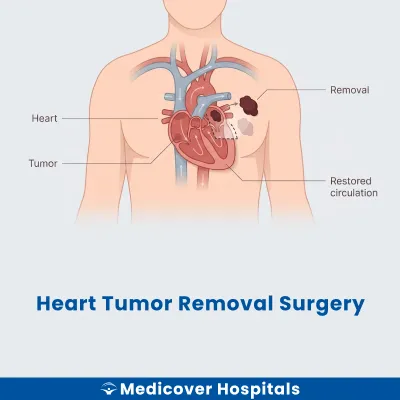
Heart Tumor Removal Surgery is a medical procedure to excise abnormal growths from the heart. The heart, a vital organ, can develop tumors known as cardiac tumors. These tumors may be benign (non-cancerous) or malignant (cancerous). The surgery aims to remove these growths to restore normal heart function and prevent complications.
This surgery is necessary when cardiac tumors cause symptoms like chest pain, shortness of breath, or irregular heartbeats. If left untreated, these tumors can lead to severe complications, including heart failure or stroke. Modern surgical approaches include open-heart surgery and minimally invasive techniques. These methods help ensure effective removal of the tumor while minimizing recovery time.
Heart Tumor Removal Surgery Doctors Near You
Discover skilled CTVS-cardiothoracic-and-vascular-surgery specialists for heart tumor removal at Medicover Hospitals across India. Choose your city and book a consultation to explore your treatment options.
Why Choose Medicover Hospitals for Heart Tumor Removal Surgery?
Get a second opinion from trusted experts and makeconfident, informed decisions.
 Get Second Opinion
Complete Guide To Heart Tumor Removal Surgery
Everything you need to know about the procedure, preparation, and recovery
Heart Tumor Removal Surgery Indications
Doctors may recommend heart tumor removal surgery when a patient exhibits symptoms or diagnostic findings that suggest the presence of a tumor in the heart. This procedure is considered when the tumor affects heart function or poses significant health risks.
Obstructive Symptoms
Patients may experience difficulty breathing, chest pain, or fainting spells. These symptoms occur when the tumor obstructs blood flow within the heart chambers. Imaging tests like echocardiograms reveal the obstruction, prompting surgical intervention.
Embolic Events
Frequent episodes of stroke or transient ischemic attacks may indicate tumor fragments breaking off and traveling through the bloodstream. Doctors find evidence of embolic events through imaging studies and blood tests, leading to the decision for surgery.
Arrhythmias
Irregular heartbeats or palpitations can occur when a tumor interferes with the heart's electrical pathways. Electrocardiograms and Holter monitoring detect these arrhythmias, and surgery is considered when medication fails to manage the condition.
Heart Failure Symptoms
Symptoms like fatigue, swelling, and shortness of breath suggest heart failure due to tumor-induced dysfunction. Diagnostic imaging confirms the tumor's impact on heart function, leading to surgical removal.
Unexplained Weight Loss and Fever
Persistent weight loss and fever may indicate a malignant heart tumor. Blood tests and imaging studies help identify the tumor, and surgery is recommended when conservative treatments do not resolve these symptoms.
How to Prepare for Heart Tumor Removal Surgery?
Proper preparation is crucial for heart tumor removal surgery to ensure a smooth procedure and recovery. It helps minimise risks and enhances surgical outcomes.
- Medication Review: Stop NSAIDs, anticoagulants, and herbal supplements as advised by your doctor.
- Fasting Guidelines: Do not eat or drink anything for at least 8 hours before the surgery.
- Pre-Surgery Tests: Complete all required blood tests, ECG, and imaging studies as scheduled.
- Clothing: Wear loose, comfortable clothing on the day of surgery for ease of movement post-operation.
- Transportation: Arrange for someone to drive you home after the surgery as you will not be able to drive yourself.
- Medication List: Bring a list of all medications you are currently taking, including dosages, to the hospital.
- Smoking and Alcohol: Avoid smoking and alcohol for at least 24 hours before the procedure.
- Pre-Op Instructions: Follow any additional instructions provided by your healthcare team for optimal preparation.
Heart Tumor Removal Surgery (Step-by-Step)
Overview: Performed by CTVS (Cardiothoracic and Vascular Surgery) specialists, this surgery typically lasts 3-6 hours and is done under general anaesthesia.
- Preparation: The patient is brought to the operating room and given general anaesthesia. This ensures they are asleep and pain-free during the procedure.
- Incision: A median sternotomy is performed, which involves a vertical incision along the sternum, usually about 15-20 cm, to access the heart.
- Accessing the Heart: The rib cage is gently spread using a retractor. This provides a clear view of the heart for the surgical team.
- Tumor Removal: The surgeon uses instruments like a harmonic scalpel or bipolar cautery to carefully remove the tumor from the heart tissue. Precision is crucial to avoid damage to surrounding areas.
- Closure: After the tumor is removed, the sternum is wired back together, and the incision is closed with sutures or staples. A sterile dressing is applied to protect the area.
- Recovery: The patient is moved to the ICU for close monitoring. They will gradually wake up from anaesthesia and may experience some discomfort, managed with medication.
Who Performs Heart Tumor Removal Surgery?
This surgery is performed by cardiothoracic surgeons. These specialists are trained in surgeries involving the heart, lungs, and other thoracic organs. They have expertise in handling complex heart conditions and performing intricate procedures.
Recovery After Heart Tumor Removal Surgery
Recovery from heart tumor removal surgery is a gradual process. It requires careful monitoring and adherence to medical advice. Patients can expect a hospital stay followed by a recovery period at home.
Day 1-3:
- Initial recovery in the ICU with close monitoring.
- Pain management and vital signs are checked regularly.
- Start with a liquid diet and gradually introduce soft foods.
Day 4-7:
- Transition to a regular hospital room.
- Begin gentle movements and breathing exercises.
- Diet includes soft, easy-to-digest foods like curd, dal-rice, and soups.
Week 2:
- Discharge from the hospital is likely.
- Continue with light activities at home.
- Include nutritious meals such as khichdi and moong dal in the diet.
Phase 3 (Weeks 3-6):
- Gradual increase in physical activity as advised by the doctor.
- Avoid heavy lifting and strenuous activities.
- Most patients can resume work or school by the end of this phase.
When to Seek Urgent Help:
- Sudden chest pain or shortness of breath.
- Uncontrolled bleeding or swelling at the incision site.
- Fever or signs of infection.
Always follow the specific advice of your healthcare provider for a smooth recovery. Please contact the hospital for current details as insurance panels may change.
Benefits of Heart Tumor Removal Surgery
Heart tumor removal surgery can significantly improve a patient's quality of life and overall health.
- Symptom Relief: Alleviates symptoms like chest pain and shortness of breath.
- Improved Heart Function: Enhances the heart's ability to pump blood effectively.
- Reduced Risk of Complications: Decreases the likelihood of heart failure or other cardiac issues.
- Potential for Complete Recovery: Offers a chance for complete removal of benign tumors.
Risks and Complications of Heart Tumor Removal Surgery
While heart tumor removal surgery can be beneficial, it carries certain risks and potential complications.
Common Risks
- Bleeding during or after the procedure.
- Infection at the surgical site.
Rare Risks
- Damage to the heart or surrounding structures.
- Stroke or neurological complications.
- Arrhythmias or irregular heartbeats post-surgery.
- Adverse reactions to anesthesia.
Cost of Heart Tumor Removal Surgery Surgery
The cost of heart tumor removal surgery varies from ₹5,00,000 to ₹8,00,000, based on the surgical approach, duration of hospital stay, room category, diagnostics, and post-operative care. At Medicover Hospitals, we ensure transparent pricing to help you plan your treatment effectively.
We offer insurance and TPA support, including CGHS, ESI, and major TPAs, with a cashless facility available for your convenience. Please contact the hospital for the latest insurance panel details as these may change periodically.
Frequently Asked Questions
1. How much does Heart Tumor Removal Surgery cost?
The cost of Heart Tumor Removal Surgery varies from ₹5,00,000 to ₹8,00,
2. Please contact Medicover Hospitals for detailed pricing information. 2. Is Heart Tumor Removal Surgery covered by insurance?
Heart Tumor Removal Surgery may be covered by CGHS, ESI, and major TPAs. Please contact the hospital for current panel details.
3. Can heart function improve after tumor removal?
Yes, removing a heart tumor can improve heart function. It depends on the tumor's size and location.
4. Will I need lifelong medication after surgery?
Some patients may require lifelong medication to manage heart health. Your doctor will provide a personalized plan post-surgery.
5. Can I exercise after heart tumor surgery?
Light activities are usually recommended after 6 weeks. Consult your doctor before starting any exercise routine.
6. What are the risks of heart rhythm changes?
Heart rhythm changes can occur post-surgery due to tissue healing. Regular follow-ups help monitor and manage any irregularities.
7. Will I need a special diet post-surgery?
A heart-healthy diet with low salt and fat is advised. Include foods like dal-rice, curd, and fresh fruits.


