What Is Hair Transplantation?
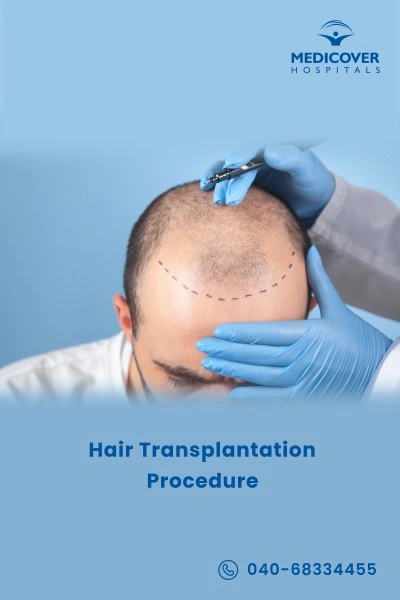
Hair transplantation is a surgical hair restoration procedure designed to treat baldness and thinning hair. It works by transferring healthy hair follicles from donor areas, typically the back or sides of the scalp to regions with hair loss. This advanced hair transplant treatment is widely used for conditions like male and female pattern baldness, receding hairlines and thinning crowns. Unlike temporary solutions such as hair patches or topical products, hair transplant surgery offers a permanent and natural-looking result.
With modern techniques like Follicular Unit Extraction (FUE) and Follicular Unit Transplantation (FUT), patients benefit from minimal discomfort, quick healing and long-lasting hair growth. A successful hair transplant not only restores hair density but also boosts confidence and overall appearance.
Types of Hair Transplantation
Hair transplantation procedures come in different techniques, each designed to address specific levels of hair loss and provide natural-looking restoration:
- Follicular Unit Extraction (FUE): A minimally invasive method where individual hair follicles are extracted from the donor area and implanted into thinning or bald areas. It leaves tiny, nearly invisible scars and allows quicker recovery.
- Follicular Unit Transplantation (FUT / Strip Method): In this method, a strip of scalp is removed from the donor area, and follicular units are separated and transplanted. It's ideal for patients who need a larger number of grafts in a single session.
- Direct Hair Implantation (DHI): An advanced version of FUE where hair follicles are directly implanted using a specialized tool (Choi implanter pen), ensuring precise placement, natural density, and faster recovery.
- Robotic Hair Transplantation: Uses robotic systems to assist with follicle extraction and implantation, enhancing accuracy and minimizing manual errors.
- Beard and Eyebrow Transplantation: Specialized procedures where hair follicles are transplanted to enhance beard growth or reshape eyebrows for aesthetic purposes.
- Combination or Customized Techniques: In some cases, surgeons may combine different methods (FUE + FUT or FUE + PRP therapy) to achieve optimal results tailored to the patient's hair type, extent of baldness, and cosmetic goals.
This personalized approach ensures each patient receives the most effective treatment plan for long-lasting and natural hair restoration.
4-8 Hours
Surgery Duration
Local Anesthesia
Anesthesia Used
9-12 Months
Full Recovery Timeline
When Is Hair Transplantation Recommended?
Hair transplantation is a reliable surgical solution for restoring natural hair growth in cases of permanent hair loss or thinning. It is recommended in the following situations:
- Male Pattern Baldness (Androgenetic Alopecia): The most common indication, particularly for men with significant hair thinning or bald spots unresponsive to medications.
- Female Pattern Hair Loss: For women with localized thinning, especially around the crown or frontal scalp, where donor hair remains healthy.
- Scarring Alopecia: Hair loss resulting from burns, accidents, surgical scars or radiation, where hair follicles are permanently damaged.
- Traction Alopecia: Hair thinning or baldness caused by prolonged tight hairstyles such as braids, ponytails or extensions.
- Hair Loss from Medical Causes or Treatments: For patients recovering from chemotherapy, autoimmune disorders or conditions like trichotillomania (when hair loss is stable).
- Reconstructive Purposes: To restore hair in the eyebrows, eyelashes, beard, mustache or other areas affected by trauma, congenital absence, or surgery.
- Cosmetic Enhancement: For those seeking to improve hair density, correct uneven hairlines or refine results from previous hair transplant procedures.
Preparing for Hair Transplantation
Proper preparation helps ensure a safe procedure, natural-looking results and smooth recovery. Here's what patients should know before undergoing hair transplantation:
Consultation & Assessment
- Meet with a hair restoration surgeon or dermatologist to assess your suitability for the procedure.
- Your doctor will review your medical history, allergies, current medications and lifestyle habits.
- A personalized plan, including hairline design, donor area evaluation and expected results, will be explained in detail.
Medical Evaluation & Pre-Surgery Tests
- Basic blood tests or scalp examinations may be recommended to confirm suitability.
- Your surgeon may take pre-procedure photographs to plan graft placement precisely.
- In some cases, prescribed antibiotics or antivirals should be taken as instructed.
Medication & Lifestyle Adjustments
- Stop blood-thinning medications (e.g., aspirin, ibuprofen, certain supplements) 7-10 days before surgery, unless otherwise directed.
- Quit smoking and alcohol at least one week before the procedure to promote better healing.
- Maintain a healthy diet and hydration to support recovery.
Day Before & Day of Procedure
- Wash your hair thoroughly with a mild shampoo the night before and morning of surgery.
- Do not apply hair oil, gel or styling products.
- Wear loose, front-opening clothes to avoid disturbing grafts after the procedure.
- Follow any fasting instructions if sedation is planned.
Post-Procedure Planning
- Arrange transportation, as sedation or local anesthesia may be used.
- Keep a caregiver or companion available to assist on the first day.
- Prepare for initial downtime, avoiding heavy physical activity, swimming or direct sun exposure for at least 2 weeks.
Ask Questions & Clarify Doubts
- Discuss hair growth timelines (3-4 months for new growth, full results in 9-12 months).
- Clarify possible side effects like swelling, scabbing or shedding.
- Ask about post-op care, medications, and follow-up visits to ensure a smooth recovery.
What Happens During a Hair Transplantation Procedure?
A hair transplantation procedure is performed to restore natural hair growth in areas affected by thinning or baldness. The treatment follows carefully planned steps to ensure precision, safety, and natural-looking results.
Initial Consultation & Planning
Before the procedure, a detailed consultation with a hair restoration surgeon is conducted. Your medical history, current health conditions, hair loss pattern and donor hair availability are assessed. A personalized treatment plan is created, including hairline design and graft estimation.
Preparation of Scalp & Anesthesia
On the day of surgery, the scalp is cleaned thoroughly. Local anesthesia is administered to numb both the donor and recipient areas, ensuring the procedure is comfortable and pain-free.
Donor Hair Extraction
Hair follicles are harvested from the donor area (usually the back or sides of the scalp) using the most suitable method for the patient.
Graft Preparation
The harvested follicles are carefully sorted, cleaned and prepared under a microscope to ensure their survival and natural growth after transplantation.
Recipient Site Creation
Tiny incisions are made in the thinning or balding areas of the scalp. The surgeon determines the angle, depth and direction to ensure the new hair grows naturally and blends seamlessly with existing hair.
Graft Implantation
The prepared grafts are delicately implanted into the recipient sites. Precision during this stage is essential for creating a natural-looking hairline and proper density.
Immediate Results & Scalp Care
Once the graft placement is complete, the scalp is cleaned and lightly bandaged. Some redness and mild swelling may be expected.
Post-Procedure Guidance
Patients receive detailed instructions for aftercare, including how to wash the scalp, avoid infection and protect the transplanted area. Follow-up visits are scheduled to monitor healing and progress, with new hair growth typically starting within 3-4 months.
Recovery After Hair Transplantation
Recovery after a hair transplant procedure is gradual but straightforward. Most patients return home the same day, with healing progressing steadily over the following weeks. Proper aftercare is crucial to protect the grafts, minimize complications and achieve natural results.
Day 1-3
- Mild swelling, redness, and scabbing around the transplanted area are common. Bandages are usually removed the next day.
Doctor's Tip: "Sleep with your head elevated for the first 2-3 nights to reduce swelling. Avoid touching or scratching the graft area."
Days 4-7
- Scabs begin to form and gradually fall off. Most patients feel comfortable resuming work and light activities. Gentle hair washing is usually allowed after 2-3 days.
Doctor's Tip: "Wash your scalp gently as instructed by your surgeon. Avoid direct water pressure and harsh rubbing."
2-3 Weeks
- Most swelling and redness resolve. Stitches (if the FUT method was used) may be removed around day 10. Transplanted hairs may begin to shed, a normal part of the healing cycle.
Doctor's Tip: "Do not panic if transplanted hairs fall out. This is temporary and part of the natural regrowth process."
1-3 Months
- The shedding phase continues and new hair growth starts to appear around 3-4 months. The scalp looks more natural as healing completes.
Doctor's Tip: "Avoid strenuous exercise, swimming and direct sun exposure for at least 3-4 weeks to protect the grafts."
6-12 Months
- Steady hair growth becomes more noticeable, with fuller and thicker results visible by 9-12 months.
Doctor's Tip:"Be patient, final results take time. Follow all follow-up visits to track progress."
Benefits of Hair Transplantation
Hair transplantation is a safe and effective surgical procedure that restores natural hair growth, reduces baldness and improves overall appearance with long-lasting results.
- Restores Hair Density: Replaces thinning or bald areas with healthy hair follicles, leading to fuller and denser hair coverage.
- Natural and Permanent Results: Transplanted hair grows naturally and is resistant to future hair loss, providing a lifelong solution.
- Improves Hairline and Appearance: Redesigns or restores the hairline for a more youthful and balanced look.
- Boosts Confidence and Self-Esteem: Helps patients feel more comfortable in social and professional settings.
- Low Maintenance: Once the transplanted hair grows, it requires no special care beyond routine washing and grooming.
- Cost-Effective Over Time: Unlike temporary treatments or hairpieces, a transplant provides a one-time investment with lasting benefits.
Risks of Hair Transplantation
Like all medical treatments, hair transplantation procedure carry certain risks that patients should understand before undergoing the procedure:
- Bleeding: Minor bleeding may occur during or after surgery but is usually well-controlled.
- Infection: Rare, but possible if proper scalp hygiene and aftercare are not followed.
- Scarring: FUT procedures may leave a thin linear scar; FUE can cause tiny dot-like scars.
- Graft Failure: Some transplanted follicles may not survive, leading to uneven growth.
- Temporary Numbness: Reduced sensation in the scalp can occur but usually improves over time.
- Poor Hairline Design: If not planned properly, the hairline may look unnatural.
- Shock Loss: Temporary shedding of nearby existing hair can happen but usually regrows.
- Allergic Reaction to Anesthesia or Medications: Very rare but possible.
Hair Transplantation Cost in India
The cost of a hair transplant in India varies depending on the number of grafts required, technique used (FUT, FUE, or DHI), surgeon's expertise and city of treatment.
Average Hair Transplantation Cost :
- FUT (Follicular Unit Transplantation): Rs. 30-Rs. 40 per graft
- FUE (Follicular Unit Extraction): Rs. 40-Rs. 60 per graft
- DHI (Direct Hair Implantation): Rs. 80-Rs. 120 per graft
Approximate Total Package Cost:
- 1,000-1,500 grafts: Rs. 35,000-Rs. 70,000
- 2,000-3,000 grafts: Rs. 70,000-Rs. 1,50,000
- 3,500-5,000 grafts: Rs. 1,50,000-Rs. 2,50,000
Note: The above costs are approximate estimates and not the exact pricing. Please contact the hospital directly to get an accurate treatment cost based on your specific requirements.
 040 68334455
 WhatsApp
 Patient Portal
 Home Care