 Call
Call Patient Reports
Haemodialysis Procedure Hospital with Advanced Renal Care
Haemodialysis at Medicover Hospitals is performed using advanced techniques by skilled nephrologists with qualifications like DM and DNB. This procedure helps manage kidney-related conditions effectively. Patients often experience shorter hospital stays and improved recovery times due to precise treatment methods.
Expert Specialists
Yearly Treatments
Patient Satisfaction
What is Haemodialysis?
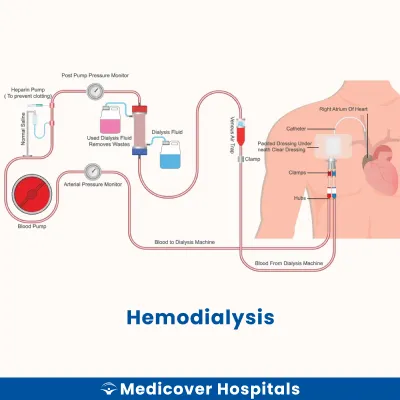
Haemodialysis is a medical procedure used to filter waste and excess fluids from the blood. It involves the kidneys, which are responsible for this function. When the kidneys (renal organs) fail to work properly, haemodialysis acts as an artificial replacement. The process uses a machine and a special filter called a dialyser to clean the blood.
This procedure is essential for individuals with chronic kidney disease or acute kidney failure. Without haemodialysis, toxins and fluids can build up in the body, leading to severe complications. Modern surgical approaches for haemodialysis include the creation of an arteriovenous (AV) fistula or graft. These methods provide reliable access to the bloodstream for effective treatment.
Haemodialysis Doctors Near You
Discover skilled nephrologists at Medicover Hospitals across India. Choose your city and book a consultation to explore haemodialysis options tailored to your needs.
Why Choose Medicover Hospitals for Haemodialysis?
Get a second opinion from trusted experts and makeconfident, informed decisions.
 Get Second Opinion
Complete Guide To Haemodialysis
Everything you need to know about the procedure, preparation, and recovery
Haemodialysis Procedure Indications
Doctors recommend haemodialysis when the kidneys can no longer filter waste and excess fluids effectively. This procedure is crucial for patients with severe kidney impairment, providing relief from symptoms and improving quality of life.
Chronic Kidney Disease (CKD)
Patients with CKD may experience fatigue, swelling, and difficulty breathing. Lab tests often show elevated creatinine and urea levels. When medications and lifestyle changes fail to manage symptoms, haemodialysis becomes necessary.
Acute Kidney Injury (AKI)
AKI can cause sudden swelling, confusion, and decreased urine output. Blood tests reveal rapid increases in waste products. If supportive treatments do not restore kidney function, haemodialysis is required to prevent complications.
Severe Electrolyte Imbalance
Patients might suffer from muscle cramps, weakness, or irregular heartbeats. Blood tests show abnormal potassium or sodium levels. When dietary adjustments and medications are ineffective, haemodialysis helps restore balance.
Fluid Overload
Symptoms include swelling, shortness of breath, and high blood pressure. Physical exams and imaging may show fluid accumulation. When diuretics fail to reduce fluid, haemodialysis is used to remove excess.
Uraemia
Patients often experience nausea, itching, and confusion. Blood tests indicate high urea levels. When conservative measures do not alleviate these symptoms, haemodialysis is necessary to clear toxins.
How to Prepare for Haemodialysis?
Proper preparation for haemodialysis ensures a smoother procedure and helps prevent complications. It is crucial for maintaining your health and comfort during the treatment.
- Medication Review: Consult your doctor about stopping NSAIDs, anticoagulants, and herbal supplements before dialysis.
- Fasting Guidelines: No specific fasting is required for haemodialysis, but follow any dietary restrictions advised by your healthcare provider.
- Clothing Choice: Wear loose, comfortable clothing to allow easy access to your dialysis site.
- Transport Arrangement: Plan for transportation to and from the hospital as you may feel tired post-procedure.
- Medication List: Bring a list of all medications you take, including dosages, for your healthcare team.
- Hydration Check: Follow your doctor's advice on fluid intake before the procedure to avoid complications.
- Dietary Restrictions: Adhere to any specific dietary guidelines provided by your healthcare team to manage your condition effectively.
- Emotional Preparation: Consider relaxation techniques or support groups to help manage anxiety related to the procedure.
Haemodialysis Procedure (Step-by-Step)
Haemodialysis is performed by kidney care experts. It typically lasts 3-5 hours. No anaesthesia is required as it is a non-invasive procedure.
- Preparation: The patient is seated comfortably. Vital signs are checked. The dialysis machine is prepared.
- Access Site Connection: A vascular access point, usually a fistula or graft, is cleaned. Needles are inserted into the access site.
- Blood Circulation: Blood is drawn from the body through the needle. It flows into the dialysis machine using tubing.
- Filtration: Inside the machine, the blood passes through a dialyzer. This acts as an artificial kidney, removing waste and excess fluids.
- Return to Body: The cleaned blood is returned to the body through another needle. This cycle continues until the session ends.
- Monitoring: Throughout the procedure, the patient's blood pressure and heart rate are monitored. Adjustments are made if necessary.
- Completion: Once the session is over, needles are removed. The access site is bandaged. The patient may feel tired but can resume normal activities soon.
Who Performs Haemodialysis Procedure?
Haemodialysis is performed by nephrologists, who are specialists in kidney care. They work with trained dialysis technicians to ensure the procedure runs smoothly. The team monitors the patient's condition and adjusts the treatment as needed.
Recovery After Haemodialysis Procedure
Recovery after haemodialysis involves adjusting to the treatment routine and managing lifestyle changes. Patients may feel tired initially, but this usually improves over time. It's important to follow medical advice to ensure a smooth recovery.
Day 1-2:
- Rest is crucial. Avoid strenuous activities.
- Consume light meals like moong dal or khichdi to ease digestion.
- Stay hydrated, but follow fluid restrictions as advised by your doctor.
Day 3-7:
- Gradually resume light activities. Short walks are beneficial.
- Continue with a renal-friendly diet. Include curd, dal-rice, and soups.
- Monitor weight and blood pressure regularly.
Week 2:
- Most patients can return to work or school, depending on their energy levels.
- Maintain a balanced diet. Avoid high-potassium foods.
- Engage in mild exercises like yoga or stretching.
Ongoing Management:
- Regular follow-ups with your healthcare provider are essential.
- Adhere to dietary guidelines. Limit salt and phosphorus intake.
- Stay active, but avoid heavy lifting or high-intensity workouts.
When to Seek Urgent Help
- Sudden shortness of breath or chest pain.
- Severe headache or dizziness.
- Swelling in the legs or feet.
- Unusual fatigue or weakness.
Benefits of Haemodialysis Procedure
Haemodialysis is a life-saving procedure for those with kidney failure. It helps remove waste and excess fluid from the blood.
- Waste Removal: Efficiently removes toxins and waste products from the bloodstream.
- Fluid Balance: Helps maintain optimal fluid levels in the body.
- Electrolyte Regulation: Balances essential minerals like potassium and sodium.
- Improved Quality of Life: Reduces symptoms such as fatigue and swelling.
Risks and Complications of Haemodialysis Procedure
While haemodialysis is essential for many, it comes with potential risks and complications.
- Low Blood Pressure: Can cause dizziness or fainting during or after treatment.
- Muscle Cramps: May occur due to fluid removal.
- Itching: Often related to high phosphate levels.
- Infection: Possible at the access site.
- Blood Clots: Can form in the dialysis access.
- Heart Issues: Increased risk of heart-related problems over time.
Cost of Haemodialysis Procedure
The cost of a haemodialysis procedure at Medicover Hospitals ranges from Rs.1200 to Rs.15,000, depending on the ward category. Prices vary based on the type of accommodation chosen, from general to suite options.
We offer transparent pricing with support for insurance and TPA, including CGHS, ESI, and major TPAs. Cashless facilities are available for your convenience. Please contact the hospital for the latest insurance panel details as these may change periodically.
Frequently Asked Questions
1. How much does Haemodialysis procedure cost at Medicover Hospitals?
The cost of Haemodialysis at Medicover Hospitals ranges from Rs. 1200 to Rs. 15,000, depending on the specific requirements and settings.
2. Is Haemodialysis procedure covered under health insurance at Medicover?
Haemodialysis is often covered by CGHS, ESI, and major TPAs, with cashless options. Please contact the hospital for current panel details.
3. Will I need to change my diet after Haemodialysis?
Yes, you may need to limit potassium and phosphorus. Foods like curd, dal-rice, and khichdi are generally recommended.
4. Can I travel after Haemodialysis sessions?
Travel is possible, but plan around your dialysis schedule. Ensure access to dialysis facilities at your destination.
5. How often will I need Haemodialysis?
Typically, Haemodialysis is needed three times a week. Your doctor will determine the frequency based on kidney function.
6. Will I feel tired after Haemodialysis?
Fatigue is common after Haemodialysis sessions. Rest and balanced nutrition can help manage energy levels.
7. Can I continue working during Haemodialysis treatment?
Many patients continue working with adjustments. Discuss your schedule with your healthcare team to find a suitable balance.


