 Call
Call Patient Reports
Best Hospital for Glansectomy Laser Surgery with Advanced Urology Care
At Medicover Hospitals, our skilled oncologists, with qualifications like MS, MCh, and DM, perform glansectomy using advanced laser techniques. This minimally invasive approach ensures smaller incisions and reduced blood loss, facilitating a quicker recovery and shorter hospital stay for patients across India.
Expert Surgeons
Yearly Surgeries
Patient Satisfaction
What is Glansectomy Laser?
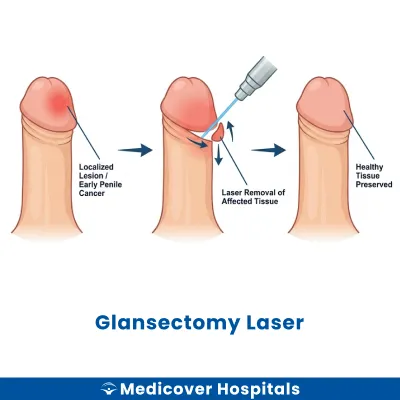
Glansectomy Laser is a surgical procedure involving the removal of the glans penis (the head of the penis) using laser technology. This method allows for precise excision with minimal damage to surrounding tissues. The laser helps in reducing bleeding and promotes faster healing. It is a modern approach to treating certain penile conditions.
This surgery is often required for conditions like penile cancer or severe cases of lichen sclerosus. If left untreated, these conditions can lead to significant complications, including pain, infection, or even cancer progression. Modern surgical approaches for Glansectomy Laser include laser ablation and laser excision. These techniques offer a less invasive option compared to traditional surgery, aiming for effective treatment with quicker recovery.
Glansectomy Laser Doctors Near You
Find expert oncologists for glansectomy laser procedures at Medicover Hospitals across India. Choose your city and book a consultation to discuss your treatment options with our specialists.
Why Choose Medicover Hospitals for Glansectomy Laser?
Get a second opinion from trusted experts and makeconfident, informed decisions.
 Get Second Opinion
Complete Guide To Glansectomy Laser
Everything you need to know about the procedure, preparation, and recovery
Glansectomy Laser Surgery Indications
Doctors recommend glansectomy laser surgery primarily for conditions affecting the glans penis, especially when less invasive treatments have not been successful. This procedure is often considered when there is a need to remove diseased tissue while preserving as much healthy tissue as possible.
Penile Cancer
Patients may experience a persistent sore or growth on the glans that does not heal. Doctors might find abnormal cells during a biopsy. When early-stage cancer is confirmed and localized, surgery is advised if other treatments like topical therapy fail.
Severe Lichen Sclerosus
Patients often report itching, pain, and white patches on the glans. Examination may reveal thickened, scarred tissue. Surgery is considered when topical steroids or other medications do not provide relief.
Recurrent Infections
Frequent infections can cause pain, redness, and swelling. Lab tests might show persistent bacterial or fungal presence. Surgery is an option when antibiotics or antifungal treatments are ineffective.
Chronic Inflammation
Symptoms include persistent redness and irritation. Doctors may notice inflamed tissue during examination. When anti-inflammatory medications fail, surgical intervention is recommended.
Pre-cancerous Lesions
Patients may notice unusual spots or growths. Biopsy results might indicate dysplasia. Surgery is suggested to prevent progression to cancer when surveillance and topical treatments are insufficient.
How to Prepare for a Glansectomy Laser?
Proper preparation is crucial for a successful Glansectomy Laser procedure. It helps minimise risks and ensures a smoother recovery.
- Medication Review: Stop NSAIDs, anticoagulants, and herbal supplements 7 days prior.
- Fasting Requirements: Fast for 6-8 hours before the procedure due to anaesthesia.
- Pre-Surgery Hygiene: Follow specific instructions for cleansing the surgical area.
- Clothing: Wear loose, comfortable clothing on the day of the surgery.
- Transportation: Arrange for someone to drive you home post-surgery.
- Medication List: Bring a list of current medications with dosages for reference.
- Smoking and Alcohol: Avoid smoking and alcohol for at least 48 hours before surgery.
- Health Conditions: Inform your doctor of any recent illnesses or changes in health.
Glansectomy Laser Surgery (Step-by-Step)
Overview: This procedure is performed by a tumor specialist. It typically lasts between 1 to 2 hours. General anaesthesia is commonly used to ensure the patient is comfortable and pain-free.
- Preparation: The patient is positioned on the surgical table. Anaesthesia is administered to induce sleep and prevent pain.
- Incision: A small incision, about 1-2 cm, is made to access the targeted area. This allows the surgeon to work precisely.
- Tissue Removal: Using a laser, the surgeon carefully removes the affected tissue. The laser helps in minimizing bleeding and promoting quicker healing.
- Bleeding Control: Instruments like bipolar cautery may be used to control any bleeding. This ensures a clear surgical field.
- Closure: The incision is closed with sutures or surgical glue. This helps in reducing scarring and speeds up recovery.
- Recovery: The patient is moved to a recovery room. Vital signs are monitored as the anaesthesia wears off.
Who Performs Glansectomy Laser Surgery?
Glansectomy Laser Surgery is performed by oncologists who specialise in treating cancers. These specialists have the expertise to handle delicate procedures involving laser technology. They ensure that the surgery is conducted with precision and care.
Recovery After Glansectomy Laser Surgery
Recovery from Glansectomy Laser Surgery is generally smooth, with most patients experiencing minimal discomfort. It's important to follow post-operative instructions for a quick and effective recovery.
Day 1-3:
- Rest is crucial. Avoid any strenuous activities.
- Maintain hygiene to prevent infection. Follow any cleaning instructions provided.
- Consume soft, easily digestible foods like curd, dal-rice, and soups.
- Stay hydrated. Drink plenty of water and fluids.
Day 4-7:
- You may start gentle movements but avoid heavy lifting or exercise.
- Continue with a light diet. Include khichdi and moong dal for nutrition.
- Monitor the surgical site for any unusual changes.
Day 8-14:
- Gradually resume normal activities as comfort allows.
- Most patients can return to work or school by the end of this period, depending on their comfort and job nature.
- Keep following dietary recommendations to support healing.
Phase 3 (Week 3-4):
- Engage in regular activities but continue to avoid high-impact sports until fully cleared by your doctor.
- Maintain a balanced diet to aid recovery.
When to Seek Urgent Help
If you experience severe pain, excessive swelling, fever, or unusual discharge from the surgical site, seek medical attention immediately. These could be signs of complications that require prompt care.
Benefits of Glansectomy Laser Surgery
Glansectomy laser surgery is a modern approach to treating penile conditions, offering several advantages.
- Precision: The laser allows for accurate removal of affected tissue, preserving healthy areas.
- Reduced Bleeding: Laser technology minimizes bleeding by sealing blood vessels during the procedure.
- Shorter Recovery Time: Patients often experience quicker recovery compared to traditional methods.
- Lower Infection Risk: The laser's heat sterilizes the area, reducing the chance of post-operative infections.
- Minimal Scarring: Laser surgery typically results in less scarring, enhancing cosmetic outcomes.
Risks and Complications of Glansectomy Laser Surgery
While glansectomy laser surgery is generally safe, it carries certain risks and potential complications.
- Common: Temporary swelling and discomfort in the treated area.
- Common: Mild pain or sensitivity during the healing process.
- Rare: Infection despite the sterilizing effect of the laser.
- Rare: Changes in sensation or numbness in the penile region.
- Rare: Scarring that may affect the appearance or function.
- Rare: Allergic reactions to anaesthesia or other medications used.
Cost of Glansectomy Laser Surgery
The cost of Glansectomy Laser Surgery at Medicover Hospitals ranges from Rs. 35,000 to Rs. 211,000. The price varies depending on the ward category chosen, such as day care, general, or private rooms.
Medicover Hospitals offers transparent pricing and supports insurance and TPA services, including CGHS, ESI, and major TPAs. Cashless facilities are available to ease the financial process for patients. Please contact the hospital for the latest insurance panel details as these may change periodically.
Frequently Asked Questions
1. How much does Glansectomy Laser surgery cost?
The cost of Glansectomy Laser surgery at Medicover Hospitals ranges between Rs. 35,000 and Rs. 211,000, depending on the care level.
2. Is Glansectomy Laser surgery covered under insurance?
Glansectomy Laser surgery may be covered under CGHS, ESI, and major TPAs for cashless treatment. Please contact the hospital for current panel details.
3. Will I experience changes in urination post-surgery?
Some patients may notice changes in urination after Glansectomy Laser surgery. These usually resolve within a few weeks.
4. Can I resume sexual activity immediately after?
It's advisable to wait for at least 4-6 weeks before resuming sexual activity. Consult your doctor for personalized advice.
5. Will I need to follow a special diet post-surgery?
A balanced diet including curd, dal-rice, and khichdi is recommended. Avoid spicy foods to aid recovery.
6. Is there a risk of infection after Glansectomy?
There is a slight risk of infection post-surgery. Proper wound care and hygiene can help prevent this complication.
7. Will I need a catheter after Glansectomy?
A catheter may be temporarily required after the procedure. This is usually removed within a few days.


