 Call
Call Patient Reports
Best Hospital for Ganglion Removal Surgery with Advanced Orthopedic Care
At Medicover Hospitals, we provide expert ganglion removal surgery performed by experienced orthopedic surgeons and hand specialists. This procedure helps relieve pain, swelling, and restricted movement caused by ganglion cysts. Using advanced surgical techniques and modern operation theatres, we ensure safe treatment, minimal discomfort, and faster recovery. Our team offers personalized care for effective and long-lasting results.
Expert Surgeons
Successful Surgeries
Success Rate
What is Ganglion Removal?
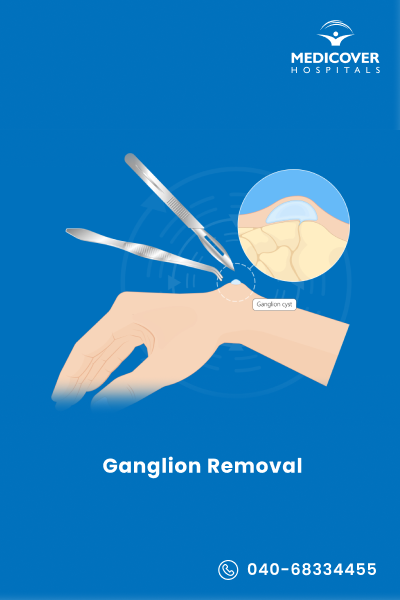
Ganglion removal is a minor surgical procedure used to treat a Ganglion cyst, which is a fluid-filled lump commonly found near joints or tendons, especially in the wrist or hand. In children, this condition is usually benign but may cause discomfort, pain, or restricted movement.
Ganglion removal surgery involves carefully removing the cyst to relieve symptoms and restore normal joint function. The procedure may be done under local or general anesthesia, depending on the child's age, cyst size, and location.
This treatment is considered safe and effective when performed by experienced surgeons. Proper post-operative care, regular follow-ups, and monitoring help ensure smooth recovery and reduce the chances of recurrence.
Types of Ganglion Removal
Depending on cyst location and size, your surgeon may choose from:
- Open Excision
- Arthroscopic (Keyhole) Removal
- Aspiration (Non-surgical)
Best Doctors for Ganglion Removal Surgery
Our experienced orthopedic surgeons and hand specialists perform ganglion removal surgery using advanced techniques to ensure safe and effective treatment. Whether the cyst is causing pain, discomfort, or restricted movement, our team focuses on complete removal with minimal recurrence risk and faster recovery. With a patient-centered approach, we deliver reliable outcomes and improved joint function.
Why Choose Medicover Hospitals for Ganglion Removal Procedure
Get a second opinion from trusted experts and makeconfident, informed decisions.
 Get Second Opinion
Complete Guide to Ganglion Removal
Everything you need to know about the procedure, preparation, and recovery
What are the Indications for the Ganglion Removal?
Ganglion removal in children, also known as ganglionectomy, is considered when certain indications warrant surgical intervention to address a ganglion cyst, an abnormal fluid-filled sac that often appears near joints or tendons. Common indications include:
- Pain and Discomfort: Ganglion cysts can cause pain and discomfort, especially when they press against nearby nerves, tendons, or joints. Surgical removal may be considered if the cyst causes persistent pain that affects the child's daily activities.
- Limitation of Movement: Large or growing ganglion cysts can restrict joint movement, affecting the child's range of motion and functionality. Surgery may be recommended if the cyst interferes with normal joint function and causes movement limitations.
- Cosmetic Concerns: Ganglion cysts can be visually noticeable, leading to cosmetic concerns. If the cyst's appearance causes distress for the child or affects their self-esteem, removal might be considered for aesthetic reasons.
- Failed Conservative Treatments: Non-surgical approaches like rest, splinting, or aspiration (removing fluid from the cyst) may not provide lasting relief. Surgical removal might be explored if conservative measures fail to alleviate symptoms or if the cyst recurs after aspiration.
- Persistent Symptoms: Ganglion cysts that persist or continue to grow despite non-surgical interventions could indicate the need for surgical removal to address the underlying issue.
Parents and caregivers need to consult a medical professional for a thorough evaluation of the child's specific case. The decision to proceed with ganglion removal surgery is typically based on a combination of the cyst's impact on the child's comfort, function, and overall well-being.
Who Needs Ganglion Removal?
Ganglion removal is recommended for patients whose cysts cause persistent discomfort, limit movement, or keep coming back after non-surgical treatments.
Common symptoms include:
- Noticeable lump on wrist, hand, foot, or ankle
- Pain or tingling due to nerve pressure
- Restricted joint movement
- Recurrence after aspiration or home care
- Cosmetic concern due to visible swelling
How to Prepare for the Ganglion Removal Surgery?
Preparing for ganglion removal in children requires careful planning and clear communication with the healthcare team to ensure a safe procedure and smooth recovery. At Medicover Hospitals, expert care supports a comfortable surgical experience and helps promote faster healing for children.
- Consultation: Schedule a consultation with a pediatric surgeon to discuss the specifics of the procedure, potential risks, benefits, and expected outcomes. Address any concerns or questions you have.
- Medical Evaluation: Your child will undergo a medical evaluation to ensure they are in optimal health for surgery. Blood tests, imaging studies, and a physical examination may be conducted.
- Preoperative Instructions: Follow the surgeon's guidelines regarding fasting before the surgery. This is usually necessary to prevent complications related to anesthesia.
- Medication Review: Inform the healthcare team about any medications, allergies, or supplements your child takes. Some medications need to be adjusted or temporarily stopped before the procedure.
- Preoperative Counseling: Depending on your child's age, explain the procedure using age-appropriate language and address any fears or concerns they might have.
- Packing and Documents: Prepare for the hospital stay by packing essentials such as comfortable clothing, toiletries, and any comfort items. Bring identification, insurance information, and any required documents.
- Support System: Arrange transportation to and from the hospital. Ensure a responsible adult accompanies your child and remains available during recovery.
- Postoperative Care Planning: Familiarize yourself with postoperative care instructions. This includes wound care, pain management, dietary restrictions, and any necessary lifestyle adjustments.
- Home Preparation: Create a comfortable recovery space at home. Stock up on any prescribed medications, soft foods, and items to keep your child entertained during their recovery.
- Follow-Up Appointments: Schedule postoperative follow-up appointments to monitor healing, remove sutures, and address any concerns.
Remember that each child's case is unique, and close communication with the healthcare team is essential. Proper preparation and adherence to postoperative care instructions contribute to smoother recovery and improved outcomes for your child's ganglion removal procedure.
What Happens During the Ganglion Removal Procedure?
During ganglion removal in children, a surgical procedure is performed to excise a ganglion cyst-a fluid-filled lump often located near joints or tendons. The procedure aims to alleviate pain, discomfort, and functional limitations caused by the cyst. Here's an overview of what happens:
- Anesthesia: The child is administered either local or general anesthesia to ensure they are pain-free and comfortable during the procedure.
- Incision: The surgeon makes a small incision near the ganglion cyst, usually overlying the cyst's most prominent area.
- Cyst Dissection: The surgeon carefully dissects the tissues surrounding the cyst, isolating it from the adjacent structures, nerves, and blood vessels.
- Cyst Removal: The cyst is gently removed from its surrounding tissue. If the cyst has a stalk (a connection to nearby tissues), this stalk may also be excised to minimize the chance of recurrence.
- Wound Closure: The incision is closed using sutures or adhesive strips, and a sterile dressing is applied to promote healing.
- Recovery and Observation: The child is monitored in a recovery area as they wake up from anesthesia. Pain management and any necessary medications are administered.
- Postoperative Instructions: After recovery, the child will receive instructions on wound care, pain management, and activity restrictions. Physical therapy might be recommended to aid in rehabilitation.
- Follow-Up: Regular follow-up appointments are scheduled to monitor healing, assess the surgical site, and address any concerns.
Most ganglion removal surgeries are outpatient procedures, meaning the child can typically return home on the same day. The goal of the procedure is to relieve discomfort and improve joint function. Adhering to postoperative care instructions and attending follow-up appointments contribute to a successful recovery.
Who will Perform Ganglion Removal Surgery?
Ganglion Removal surgery is performed by an Orthopedic Surgeon or a Hand Surgeon. These specialists are trained to excise ganglion cysts, usually from the wrist or hand, to relieve pain and restore normal function.
Recovery After the Ganglion Removal Procedure
Recovery after ganglion removal in children is generally straightforward, but it can vary based on the child's age, the size and location of the cyst, and the surgical approach. Here's an overview of the recovery process:
Immediate Post-Operative Period:
- The child will spend some time in a recovery area as they wake up from anesthesia.
- Pain management and any necessary medications will be administered to ensure comfort.
- The surgical site will be dressed, and the child's vital signs will be monitored.
First Few Days:
- The child may experience some discomfort, pain, and swelling around the surgical site.
- Pain medications will be prescribed to manage postoperative pain.
- Rest and elevation of the affected limb may be recommended to reduce swelling.
- The child should avoid excessive movement and activities that strain the surgical site.
Wound Care and Follow-Up:
- Follow the healthcare team's instructions for wound care, including keeping the incision area clean and dry.
- The child will likely have a follow-up appointment within a week to check the surgical site, remove sutures if applicable, and assess healing.
Resuming Activities:
- The child may gradually return to normal activities as advised by the healthcare team.
- More strenuous activities and sports may need to be avoided for a few weeks to ensure proper healing.
Long-Term Recovery:
- The discomfort and swelling should gradually subside over a few weeks.
- Full recovery may take several weeks, but most children can resume their regular routines within a relatively short time.
Adherence to postoperative care instructions is crucial for a successful recovery. Keeping the surgical site clean, taking prescribed medications, and attending follow-up appointments will help monitor healing and address any potential issues. Most children experience improved comfort and joint function after ganglion removal, leading to an improved quality of life.
Follow-Up After the Ganglion Removal Procedure
After ganglion removal in children, follow-up care is essential to ensure proper healing and monitor the surgical site. Here's what you can expect:
- First Postoperative Visit: A follow-up appointment is usually scheduled within a week after the surgery. The surgeon will assess the surgical site, remove any sutures if necessary, and check for signs of infection or complications.
- Subsequent Follow-Up: Additional appointments may be scheduled to monitor ongoing healing, address any concerns, and ensure the surgical site's progress.
- Wound Care: The healthcare team will provide instructions on how to care for the surgical wound. This includes keeping the area clean, dry, and free from any irritation.
- Activity Guidelines: The child will receive guidance on when they can resume normal activities, sports, and more strenuous exercises.
- Addressing Concerns: If you notice any signs of infection, increased pain, swelling, or other unexpected symptoms, promptly contact the healthcare provider for guidance.
Follow-up appointments play a crucial role in tracking the child's recovery progress and addressing any issues that may arise. Adhering to the healthcare team's recommendations ensures a successful outcome and optimal healing after ganglion removal.
Risks & Benefits of Ganglion Removal Surgery
Understanding the benefits and risks of ganglion removal surgery helps patients make confident treatment decisions. At Medicover Hospitals, expert care ensures safe and effective outcomes.
Benefits of Ganglion Removal
- Permanent Cyst Removal: Eliminates painful or recurring ganglion cysts
- Restores Joint Function: Improves movement in the wrist, hand, or affected joint
- Improves Appearance: Enhances cosmetic look by removing visible swelling
- Prevents Nerve Compression: Reduces pressure on nearby nerves and discomfort
- Quick Recovery: Short recovery time with a high success rate
Risks of Ganglion Removal Surgery
- Infection or Swelling: Mild risk at the incision site
- Joint Stiffness: Temporary stiffness or tenderness after surgery
- Nerve Irritation: May cause temporary numbness or tingling
- Recurrence: Rare chance of cyst returning
- Minor Scarring: Small scar may remain at the surgical site
How Much Does Ganglion Removal Cost in India?
The cost of ganglion removal surgery in India depends on the surgical technique, hospital facilities, and surgeon expertise. At Medicover Hospitals, patients receive advanced treatment with transparent pricing.
- Open Surgery: Rs. 40,000 - Rs. 70,000
- Arthroscopic Surgery: Rs. 70,000 - Rs. 1,20,000+
Factors Affecting Cost:
- Type of procedure (open vs arthroscopic)
- Location and size of the ganglion cyst
- Surgeon's experince
- Hospital infrastructure and facilities
- Diagnostic tests and postoperative care
At Medicover Hospitals, expert specialists ensure safe and effective ganglion cyst removal surgery with personalized treatment plans and comprehensive care.
Patient Success Stories
Real experiences from patients who regained their mobility and quality of life
 Patient Review
""I had a painful lump on my wrist, and after ganglion removal, I feel no pain at all. The surgery was quick and easy.""
 Patient Review
""My daughter had a ganglion removal surgery. The doctors were very kind and explained everything well.""
Patient Review
""I was nervous, but my ganglion removal went very smoothly. The recovery was fast too.""
Frequently Asked Questions
1. What is Ganglion Removal and when is it needed?
Ganglion Removal is a surgical procedure to remove a ganglion cyst, a fluid-filled lump near joints or tendons. It is needed when the cyst causes pain, stiffness, or affects hand or wrist movement.
2. Is Ganglion Removal a major surgery?
Ganglion Removal is a minor surgical procedure performed under local or general anaesthesia. It is usually completed within 30 to 45 minutes and involves minimal recovery time.
3. How is Ganglion Removal surgery performed?
During Ganglion Removal, the surgeon makes a small incision over the cyst and removes it completely, including the stalk attached to the joint capsule or tendon sheath to prevent recurrence.
4. What are the symptoms indicating the need for Ganglion Removal?
Persistent pain, swelling, joint stiffness, or a visible lump on the wrist, ankle, or hand are key signs that may require medical evaluation for Ganglion Removal.
5. Can Ganglion Removal be done without surgery?
In mild cases, non-surgical options like aspiration or compression may help. However, these methods often have a higher recurrence rate compared to surgical Ganglion Removal.
6. Is Ganglion Removal painful?
Ganglion Removal is performed under anaesthesia, so patients do not feel pain during surgery. Mild soreness or stiffness may occur after the procedure but subsides with medication.
7. What is the recovery time after Ganglion Removal?
Recovery after Ganglion Removal typically takes 2-4 weeks. Patients can resume light activities within days, but heavy lifting should be avoided until complete healing.
8. Are there visible scars after Ganglion Removal?
A small scar may remain after Ganglion Removal, but it usually fades over time. Surgeons often make incisions in natural skin folds to minimise visible scarring.
9. Can ganglion cysts return after Ganglion Removal?
Though rare, ganglion cysts can reappear if any cyst tissue remains. Proper surgical removal of the cyst capsule reduces recurrence risks significantly.
10. What are the risks associated with Ganglion Removal surgery?
Ganglion Removal is generally safe, but possible risks include infection, stiffness, nerve injury, or recurrence. Following postoperative care helps prevent complications.
11. Is physiotherapy needed after Ganglion Removal?
Yes, physiotherapy may be advised after Ganglion Removal to restore full range of motion, strengthen surrounding muscles, and prevent joint stiffness.


