 Call
Call Patient Reports
Advanced Fracture Immobilization Procedure Hospital with Expert Care
At Medicover Hospitals, our orthopaedic experts, with qualifications like MS and DNB, utilize open surgical approaches for fracture immobilization. This method ensures effective stabilization of fractures. Patients benefit from shorter hospital stays and improved recovery times, enhancing their overall treatment experience across India.
Expert Procedures
Yearly Procedures
Patient Satisfaction
What is Fracture Immobilization?
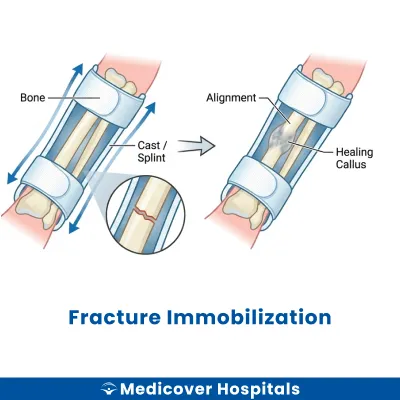
Fracture immobilization is a medical procedure used to stabilize broken bones (fractures) in the body. It involves the use of devices like casts, splints, or braces to keep the affected area, such as an arm or leg, in a fixed position. This helps in proper alignment and healing of the bone. Immobilization prevents movement that could worsen the injury or delay recovery.
This procedure is essential when a bone is fractured due to accidents, falls, or sports injuries. If left untreated, a fracture can lead to improper healing, chronic pain, or deformity. Modern surgical approaches for fracture immobilization include internal fixation with plates and screws, and external fixation devices. These methods ensure the bone heals correctly and maintains its function.
Fracture Immobilization Doctors Near You
Find experienced orthopedics for fracture immobilization at Medicover Hospitals across India. Choose your city and book a consultation to ensure proper care and recovery. Start your journey to healing today.
Why Choose Medicover Hospitals for Fracture Immobilization?
Get a second opinion from trusted experts and makeconfident, informed decisions.
 Get Second Opinion
Complete Guide To Fracture Immobilization
Everything you need to know about the procedure, preparation, and recovery
Fracture Immobilization Procedure Indications
Doctors recommend fracture immobilization to stabilize broken bones and promote healing. It is essential when fractures are severe or when movement could worsen the injury.
Severe Pain and Swelling
Patients often experience intense pain and swelling at the fracture site. On examination, doctors may notice significant tenderness and bruising. When pain management and rest do not alleviate symptoms, immobilization becomes necessary.
Visible Deformity
A noticeable deformity or misalignment of the limb can indicate a fracture. X-rays confirm the displacement of bone fragments. Immobilization is crucial when the deformity affects function or poses a risk to surrounding tissues.
Inability to Bear Weight
Patients unable to bear weight on an injured limb may have a fracture. Doctors assess for instability and confirm with imaging. When weight-bearing is impossible despite rest and support, immobilization is advised.
Open Fractures
Open fractures involve broken skin and exposed bone. Patients may experience bleeding and risk of infection. Immediate immobilization is required to protect the area and facilitate surgical intervention.
Non-Union of Fractures
In some cases, fractures fail to heal properly, leading to persistent pain and instability. X-rays show incomplete healing. When conservative treatments like bracing do not work, immobilization helps in realigning and stabilizing the bone.
Please contact the hospital for current details as insurance panels may change.
How to Prepare for Fracture Immobilization?
Proper preparation for fracture immobilization is crucial to ensure a smooth procedure and recovery. It helps in reducing complications and aids in effective healing.
- Medication Review: Stop NSAIDs, anticoagulants, and herbal supplements as advised by your doctor to reduce bleeding risks.
- Fasting Guidelines: If general anaesthesia is used, fast for at least 6-8 hours before the procedure.
- Clothing Choice: Wear loose, comfortable clothing to accommodate any bandages or splints after the procedure.
- Transportation: Arrange for someone to drive you home post-procedure, as you may not be able to drive yourself.
- Medication List: Bring a list of all medications you are taking, including dosages, to inform the medical team.
- Pre-Procedure Instructions: Follow any specific instructions given by your healthcare provider, such as skin preparation or hygiene.
- Rest and Relaxation: Ensure you get adequate rest the night before to help your body cope with the stress of the procedure.
- Contact Information: Keep emergency contact details handy in case of any urgent needs during the procedure.
Fracture Immobilization Procedure (Step-by-Step)
Fracture immobilization is performed by orthopaedic specialists. The procedure typically lasts 30 minutes to 2 hours, depending on the complexity of the fracture. It usually requires local or regional anaesthesia.
- Assessment: The orthopaedic specialist examines the fracture site. X-rays or scans may be used to understand the fracture's alignment and severity.
- Preparation: The affected area is cleaned and sterilized. Anaesthesia is administered to numb the area, ensuring the patient feels no pain during the procedure.
- Reduction: The specialist realigns the fractured bones. This may involve gentle manipulation. The patient may feel pressure but no pain due to anaesthesia.
- Immobilization: A splint or cast is applied to hold the bones in place. Plaster or fibreglass materials are commonly used. The patient may feel warmth as the material sets.
- Stabilization: In some cases, surgical instruments like screws or pins may be used to stabilize the bones internally. This is more common in complex fractures.
- Final Check: The alignment is rechecked with X-rays. Adjustments are made if necessary. The patient is informed about the care and precautions needed.
- Recovery: The patient is monitored for a short period before being discharged. Instructions on mobility and follow-up appointments are provided.
Who Performs Fracture Immobilization Procedure?
Fracture immobilization is performed by orthopaedic surgeons. These specialists are trained in diagnosing and treating bone and joint injuries. They use their expertise to ensure proper healing and recovery. Please contact the hospital for current details as insurance panels may change.
Recovery After Fracture Immobilization Procedure
Recovery from fracture immobilization involves rest and gradual return to normal activities. The healing process varies depending on the fracture's location and severity. Follow your doctor's advice for a smooth recovery.
Day 1-3:
- Rest and elevate the immobilized limb to reduce swelling.
- Apply ice packs as advised managing pain and swelling.
- Consume soft and nutritious foods like curd, dal-rice, and soups to maintain energy levels.
Day 4-7:
- Continue to rest and keep the limb elevated when possible.
- Gradually increase gentle movements as advised by your doctor.
- Include protein-rich foods like moong dal and khichdi in your diet to aid healing.
Day 8-14:
- Begin light activities if pain and swelling have reduced.
- Follow any prescribed physiotherapy exercises.
- Maintain a balanced diet with plenty of fruits and vegetables.
Phase 3 (Week 3-6):
- Gradually resume normal activities, avoiding strenuous tasks.
- Continue physiotherapy as recommended.
- Return to work or school if approved by your doctor.
When to Seek Urgent Help
Contact your doctor if you experience severe pain, increased swelling, numbness, or changes in skin colour around the immobilized area. These could indicate complications needing immediate attention.
Benefits of Fracture Immobilization Procedure
Fracture immobilization is crucial for proper healing and recovery. It stabilizes the broken bone, allowing it to heal correctly.
- Stability: Provides support to the fractured area, preventing further injury.
- Pain Reduction: Minimizes movement, reducing pain and discomfort.
- Proper Alignment: Ensures bones heal in the correct position, reducing the risk of deformity.
- Prevention of Complications: Decreases the likelihood of complications like muscle or tissue damage.
Risks and Complications of Fracture Immobilization Procedure
While generally safe, fracture immobilization can have some risks and complications. Understanding these helps in early detection and management.
- Skin irritation or pressure sores from the cast or splint.
- Stiffness or reduced mobility in the immobilized joint.
- Nerve compression leading to numbness or tingling.
- Blood clots due to reduced movement.
- Infection if the skin under the cast is damaged.
Cost of Fracture Immobilization Procedure
The cost of fracture immobilization at Medicover Hospitals ranges from Rs.5,000 to Rs.25,000, depending on the ward category chosen. Prices vary across different ward types, ensuring options for various budgets.
We offer transparent pricing with support for insurance and TPA, including CGHS, ESI, and major TPAs. A cashless facility is also available to ease the financial process. Please contact the hospital for the latest insurance panel details as these may change periodically.
Frequently Asked Questions
1. How much does Fracture Immobilization cost?
The cost of Fracture Immobilization at Medicover Hospitals ranges from Rs.5,000 to Rs.25,000, depending on the type of procedure and room selected.
2. Is Fracture Immobilization covered under insurance?
Fracture Immobilization may be covered by CGHS, ESI, and major TPAs. Please contact the hospital for current panel details.
3. Can I move my arm after clavicle fracture?
After a clavicle fracture, arm movement is usually restricted. It's important to follow your doctor's advice to ensure proper healing.
4. Will I need physiotherapy after fracture?
Physiotherapy is often recommended after fracture immobilization. It helps restore movement and strength in the affected area.
5. Can I shower with a cast on my arm?
You should avoid getting the cast wet. Use a waterproof cover or sponge baths to keep the cast dry while showering.
6. Will my finger be stiff after buddy strapping?
Some stiffness is common after finger buddy strapping. Regular exercises and physiotherapy can help regain flexibility.
7. Can I drive with a cast on my leg?
Driving is not recommended with a leg cast. It may impair your ability to control the vehicle safely.


