 Call
Call Patient Reports
Best Hospital for Fractional Flow Reserve (FFR) Assessment with Advanced Cardiac Care
Fractional Flow Reserve (FFR) at Medicover Hospitals is performed using advanced endoscopic techniques. Our team of MD and DM-qualified interventional pulmonologists specialise in precise lung and airway assessments. This approach often results in shorter hospital stays and reduced recovery times for patients.
Expert Specialists
Yearly Treatments
Patient Satisfaction
What is Fractional Flow Reserve?
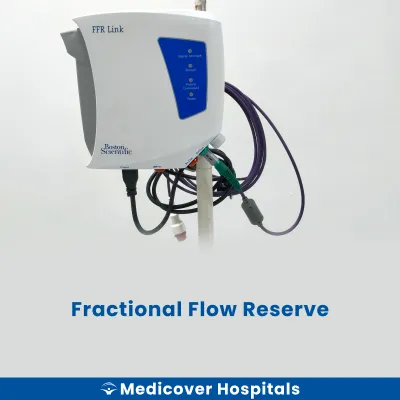
Fractional Flow Reserve (FFR) is a diagnostic technique used to measure blood pressure differences across a coronary artery stenosis (narrowing). It helps assess the severity of blood flow blockages in the coronary arteries, which supply blood to the heart. By using a special wire with a pressure sensor, doctors can determine if the narrowing significantly affects blood flow to the heart muscle.
FFR is needed when coronary artery disease is suspected. It helps decide if a patient requires angioplasty (widening of the artery) or stenting (placing a small tube to keep the artery open). Untreated, severe blockages can lead to heart attacks or other cardiac issues. Modern approaches for FFR include catheter-based techniques and advanced imaging technologies.
Fractional Flow Reserve Doctors Near You
Discover experienced Cardiologist at Medicover Hospitals across India. Choose your city and book a consultation to address your respiratory health needs with expert care and guidance.
Why Choose Medicover Hospitals for Fractional Flow Reserve?
Get a second opinion from trusted experts and makeconfident, informed decisions.
 Get Second Opinion
Complete Guide To Fractional Flow Reserve
Everything you need to know about the procedure, preparation, and recovery
Fractional Flow Reserve procedure Indications
Doctors recommend the Fractional Flow Reserve (FFR) procedure to assess the severity of blood flow blockages in the coronary arteries. It helps determine if a blockage is causing significant restriction to blood flow, guiding treatment decisions.
Chest Pain with Ambiguous Test Results
Patients may experience chest pain or discomfort, especially during physical activity. Initial tests like ECG or stress tests might show inconclusive results. When non-invasive tests do not clearly indicate the severity of blockage, FFR is used to provide more precise information.
Intermediate Coronary Lesions
Patients may not have clear symptoms, but imaging tests reveal moderate blockages in the coronary arteries. When the degree of blockage is uncertain, FFR helps assess whether these lesions are likely to cause significant blood flow restriction.
Multiple Vessel Disease
Patients might experience symptoms like shortness of breath or fatigue. Angiograms show blockages in multiple coronary arteries. FFR helps identify which specific blockages are causing significant issues, aiding in targeted treatment.
Recurrent Symptoms After Treatment
Some patients continue to experience symptoms like chest pain even after initial treatment. If symptoms persist despite medication or previous interventions, FFR can help determine if further treatment is necessary.
Pre-Surgical Assessment
Before undergoing major surgeries, some patients may need an evaluation of their coronary health. If there are concerns about coronary artery disease, FFR can help assess the risk and guide pre-surgical planning.
How to Prepare for Fractional Flow Reserve?
Proper preparation for Fractional Flow Reserve (FFR) is crucial to ensure accurate results and a smooth procedure. Following the preparation steps helps in reducing risks and enhancing the effectiveness of the procedure.
- Medication Review: Inform your doctor about all medications you are taking, including over-the-counter drugs and supplements.
- Stop Certain Medications: Discontinue NSAIDs, anticoagulants, and herbal supplements as advised by your doctor to reduce bleeding risks.
- Fasting: Fast for at least 6-8 hours before the procedure to prepare for anaesthesia. Follow specific instructions given by your healthcare provider.
- Clothing: Wear loose, comfortable clothing on the day of the procedure to ease movement and comfort.
- Transportation: Arrange for someone to drive you home post-procedure, as you may feel drowsy from the anaesthesia.
- Medication List: Bring a list of your current medications along with their dosages for reference.
- Avoid Heavy Meals: Refrain from consuming heavy meals the night before the procedure to ensure a clear system.
- Hydration: Stay well-hydrated prior to fasting, unless otherwise instructed by your doctor.
Fractional Flow Reserve procedure (Step-by-Step)
The Fractional Flow Reserve (FFR) procedure is performed by experienced specialists from the Cardiology department. The procedure usually takes 30-60 minutes and is commonly performed under local anaesthesia.
- Preparation: The patient is positioned on the procedure table. A local anaesthetic is applied to numb the groin or wrist area.
- Catheter Insertion: A small incision, about 1-2 mm, is made to insert a catheter into the artery. The patient may feel slight pressure but no pain.
- Guide Wire Placement: A guide wire is threaded through the catheter to reach the coronary arteries. The patient remains awake and may feel mild sensations as the wire moves.
- Pressure Measurement: A special pressure sensor is used to measure blood pressure before and after a narrowed artery. The patient remains still during this measurement.
- Drug Administration: A medication like adenosine may be administered to dilate the coronary arteries. The patient might feel a warm sensation or mild discomfort.
- Data Analysis: The collected data is analyzed to determine the severity of the blockage. The patient rests while the cardiologist reviews the results.
- Catheter Removal: The catheter and guide wire are carefully withdrawn. Pressure is applied to the incision site to prevent bleeding, and a bandage is placed.
Who performs the Fractional Flow Reserve procedure?
The Fractional Flow Reserve procedure is performed by Heart doctors or interventional cardiologists. These specialists are trained to diagnose and treat heart conditions using catheter-based techniques. They ensure the procedure is conducted safely and effectively, focusing on the patient's comfort throughout.
Recovery After Fractional Flow Reserve procedure
After undergoing a Fractional Flow Reserve (FFR) procedure, patients can expect a relatively quick recovery. The procedure is minimally invasive, and most individuals can resume normal activities soon. However, it's essential to follow specific guidelines to ensure a smooth recovery.
Day 1:
- Rest is crucial. Avoid any strenuous activities.
- Stick to light meals. Opt for soft foods like curd, dal-rice, or khichdi.
- Keep the catheter site clean and dry.
Day 2-3:
- Gradually increase activity levels. Short walks are encouraged.
- Continue with a light diet. Include moong dal and soups for easy digestion.
- Monitor the catheter site for any signs of infection.
Day 4-7:
- Most patients can resume work or school, depending on their comfort level.
- Introduce more variety into your diet while avoiding heavy or spicy foods.
- Continue to avoid heavy lifting or intense physical activities.
Phase 2 (Week 2):
- Resume normal activities gradually. Listen to your body and rest as needed.
- Maintain a balanced diet with plenty of fruits and vegetables.
- Regular follow-up with your doctor is recommended to monitor recovery.
When to Seek Urgent Help:
- Severe chest pain or discomfort.
- Excessive bleeding or swelling at the catheter site.
- Shortness of breath or dizziness.
- Fever or signs of infection.
Benefits of the Fractional Flow Reserve procedure
Fractional Flow Reserve (FFR) is a valuable diagnostic tool in assessing the severity of coronary artery disease.
- Accurate Assessment: FFR provides precise measurement of blood flow and pressure in coronary arteries.
- Guides Treatment: Helps in deciding whether stenting or bypass surgery is necessary.
- Reduces Unnecessary Procedures: Minimises the need for interventions when not required.
- Improves Outcomes: Leads to better management of coronary artery disease.
Risks and Complications of the Fractional Flow Reserve procedure
While FFR is generally safe, it comes with certain risks and complications.
- Common: Discomfort or pain at the catheter insertion site.
- Common: Bleeding or bruising at the catheter site.
- Rare: Allergic reaction to the contrast dye used during the procedure.
- Rare: Damage to the blood vessels or heart.
- Rare: Arrhythmias or irregular heartbeats during the procedure.
- Rare: Infection at the catheter insertion site.
Cost of Fractional Flow Reserve procedure
The cost of the Fractional Flow Reserve procedure at Medicover Hospitals ranges from Rs. 460 to Rs. 950, depending on the ward category. Prices vary across different ward types, ensuring transparent pricing for all patients.
Medicover Hospitals offer support for insurance and TPA, including CGHS, ESI, and major TPAs, with a cashless facility available. Please contact the hospital for the latest insurance panel details as these may change periodically.
Frequently Asked Questions
1. How much does Fractional Flow Reserve cost?
The Fractional Flow Reserve procedure costs between Rs.460 and Rs.950 at Medicover Hospitals, depending on the facility and services chosen.
2. Is Fractional Flow Reserve covered under insurance?
Fractional Flow Reserve may be covered by CGHS, ESI, and major TPAs with cashless options. Please contact the hospital for current panel details.
3. Will I feel chest pain during the procedure?
Mild chest discomfort may occur during the Fractional Flow Reserve procedure. It is usually temporary and resolves quickly after the test.
4. Can I drive home after Fractional Flow Reserve?
It is advisable not to drive immediately after the procedure. Arrange for someone to take you home for safety reasons.
5. Will I need to change my diet after the procedure?
No specific diet change is required after Fractional Flow Reserve. Continue with a balanced diet including curd, dal-rice, and vegetables.
6. How soon can I resume normal activities?
Most patients can resume normal activities within 24 hours after the Fractional Flow Reserve procedure. Follow your doctor's advice for specific guidance.
7. Can the procedure affect my heart rhythm?
There is a slight risk of temporary changes in heart rhythm during the procedure. These are usually monitored and managed effectively by the medical team.
8. What is the normal range for FFR?
A normal Fractional Flow Reserve (FFR) value is 0.80 to 1.
9. Values below 0.80 usually indicate significant blockage in a coronary artery that may require treatment. 9. What is the FFR principle?
FFR is based on measuring the pressure difference across a coronary artery blockage during maximum blood flow (hyperemia). It helps determine how much the blockage is affecting blood supply to the heart muscle.
10. What is iFR and FFR?
iFR (Instantaneous Wave-Free Ratio) and FFR (Fractional Flow Reserve) are tests used to assess the severity of coronary artery blockages. FFR measures blood flow and pressure differences across a blockage during maximum blood flow (using medications to induce hyperemia), while iFR measures the pressure difference during a specific resting phase of the heartbeat without the need for such medications. Both help doctors decide whether a blockage requires treatment like angioplasty or stenting.
11. How do you calculate fractional flow reserve?
Fractional Flow Reserve (FFR) is calculated by taking the ratio of blood pressure after the blockage (distal pressure) to the blood pressure before the blockage (aortic pressure) during maximum blood flow. In simple terms, FFR = distal coronary pressure ÷ aortic pressure. This measurement is obtained during a coronary angiography procedure using a special pressure wire to assess how much a blockage is affecting blood flow.


