 Call
Call Patient Reports
Best Hospital for Fissurectomy and Lateral Internal Sphincterotomy with Advanced Gastro Care
At Medicover Hospitals, our surgical gastroenterologists, with qualifications like MS, DNB, and MCh, perform Fissurectomy and Lateral Internal Sphincterotomy using open surgical techniques. This approach effectively treats anal fissures, leading to a shorter hospital stay and quicker recovery for patients.
Expert Surgeons
Yearly Surgeries
Patient Satisfaction
What is Fissurectomy and Lateral Internal Sphincterotomy?
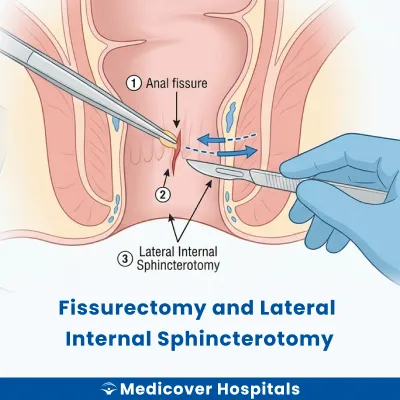
Fissurectomy is a surgical procedure involving the removal of an anal fissure (a small tear in the lining of the anus). Lateral Internal Sphincterotomy is a surgery where a small portion of the anal sphincter muscle (muscle controlling bowel movements) is cut. This helps reduce pressure and allows the fissure to heal.
This surgery is needed for chronic anal fissures that do not heal with medication. Conditions like constipation or trauma can lead to fissures. If untreated, they can cause severe pain and bleeding. Modern surgical approaches include minimally invasive techniques, which aim to reduce recovery time and discomfort. These procedures are available at Medicover Hospitals across major cities in India.
Fissurectomy and Lateral Internal Sphincterotomy Doctors Near You
Discover surgical gastroenterologists at Medicover Hospitals across India. Choose your city and book a consultation for fissurectomy and lateral internal sphincterotomy. Begin your journey to better health today.
Why Choose Medicover Hospitals for Fissurectomy and Lateral Internal Sphincterotomy?
Experienced Surgical Gastroenterologists: Our team includes highly skilled surgical gastroenterologists with qualifications such as MS, DNB, and DrNB, bringing extensive expertise in managing gastrointestinal, hepatobiliary, colorectal, and minimally invasive surgical procedures, with individual experience of up to 33 years.
Get a second opinion from trusted experts and makeconfident, informed decisions.
 Get Second Opinion
Complete Guide To Fissurectomy And Lateral Internal Sphincterotomy
Everything you need to know about the procedure, preparation, and recovery
Fissurectomy and Lateral Internal Sphincterotomy Surgery Indications
Doctors recommend Fissurectomy and Lateral Internal Sphincterotomy when anal fissures cause persistent pain and discomfort. This procedure is considered when conservative treatments do not provide relief.
Chronic Anal Fissure
Patients experience severe pain during bowel movements, often with bleeding. Examination reveals a tear in the anal lining that does not heal with topical treatments. Surgery is advised when symptoms persist for more than six weeks.
Recurrent Anal Fissures
Some patients suffer from fissures that heal and then recur. Symptoms include sharp pain and bleeding. When repeated episodes occur despite dietary changes and medications, surgical intervention is considered.
Anal Spasm
Patients may feel a tightness or spasm in the anal area, leading to pain. Doctors find increased anal sphincter tone on examination. If muscle relaxants and other treatments fail, surgery is recommended.
Non-healing Fissure
In some cases, fissures do not heal even after several weeks of treatment. Patients report ongoing pain and discomfort. Surgery is suggested when healing stalls despite optimal medical therapy.
Complicated Fissures
Occasionally, fissures are accompanied by other issues like skin tags or infection. Patients may notice swelling or discharge. When these complications arise, surgical treatment is often necessary.
How to Prepare for Fissurectomy and Lateral Internal Sphincterotomy?
Proper preparation is crucial for a smooth surgical experience and recovery. It helps in reducing complications and ensures a successful outcome.
- Medication Review: Stop NSAIDs, anticoagulants, and herbal supplements at least a week before surgery.
- Fasting Guidelines: Fast for at least 8 hours before the procedure if general anaesthesia is used.
- Bowel Preparation: Follow any bowel prep instructions given by your doctor to ensure a clear surgical area.
- Clothing Choice: Wear loose, comfortable clothing on the day of the surgery for ease of movement post-procedure.
- Transportation: Arrange for someone to drive you home after the surgery as you may feel drowsy.
- Medication List: Bring a list of your current medications with dosages for the medical team.
- Pelvic Floor Exercises: Practice any recommended exercises to strengthen the area and aid recovery.
- Pre-Surgery Consultation: Attend all pre-surgery appointments to discuss any concerns or questions.
Fissurectomy and Lateral Internal Sphincterotomy Surgery (Step-by-Step)
This procedure is performed by gastroenterologists-surgical. It typically lasts between 30 to 60 minutes. It is usually done under local or regional anaesthesia, depending on the patient's condition.
- Preparation: The patient is positioned comfortably. The area is cleaned and sterilised. Anaesthesia is administered to numb the area.
- Incision: A small incision of about 1-2 cm is made near the anal region. This allows access to the affected area.
- Fissurectomy: Using a curette, the surgeon carefully removes the damaged tissue around the anal fissure. This promotes healing by reducing tension.
- Lateral Internal Sphincterotomy: The surgeon makes a small cut in the internal anal sphincter muscle using a harmonic scalpel. This helps reduce muscle spasm and pain.
- Bleeding Control: Bipolar cautery may be used to control any bleeding during the procedure, ensuring a clear field of vision.
- Closure: The incision may be left open to heal naturally or closed with absorbable sutures, depending on the surgeon's preference.
- Recovery: The patient is monitored as the anaesthesia wears off. Post-operative instructions are given for home care and follow-up.
Who Performs Fissurectomy and Lateral Internal Sphincterotomy Surgery?
This surgery is performed by surgical gastroenterologists. These specialists are trained to handle conditions affecting the gastrointestinal tract, including anal fissures. They use their expertise to ensure the procedure is conducted safely and effectively.
Recovery After Fissurectomy and Lateral Internal Sphincterotomy Surgery
Recovery from fissurectomy and lateral internal sphincterotomy surgery involves gradual healing and care. Patients can expect some discomfort initially, but this typically improves over time. Following your doctor's advice is crucial for a smooth recovery.
Day 1-3:
- Rest is essential. Avoid strenuous activities.
- Consume a soft diet. Include curd, dal-rice, and soups to ease digestion.
- Expect mild pain and swelling. Pain relief medications may be prescribed.
Day 4-7:
- Continue with a fibre-rich diet. Khichdi and moong dal are good options.
- Gradually increase light activities as tolerated.
- Maintain hygiene. Follow instructions for wound care.
Day 8-14:
- Most patients can resume work or school, depending on comfort.
- Continue to avoid heavy lifting and intense exercise.
- Monitor for any unusual symptoms.
Phase 3 (Week 3-4):
- Normal activities can usually be resumed.
- Maintain a balanced diet to prevent constipation.
- Regular follow-ups with your doctor are recommended.
When to Seek Urgent Help
- Severe pain not relieved by medication.
- Excessive bleeding or discharge from the wound.
- Fever or signs of infection.
- Inability to pass stools or gas.
If you experience any of these symptoms, contact medicover hospital immediately.
Benefits of Fissurectomy and Lateral Internal Sphincterotomy Surgery
These procedures aim to relieve pain and promote healing of anal fissures.
- Pain Relief: Reduces discomfort associated with chronic anal fissures.
- Improved Healing: Enhances blood flow to the area, promoting faster recovery.
- Reduced Recurrence: Lowers the chances of fissures returning.
- Minimally Invasive: Typically involves a short recovery period.
Risks and Complications of Fissurectomy and Lateral Internal Sphincterotomy Surgery
While generally safe, these surgeries carry potential risks and complications.
- Temporary incontinence, especially for gas.
- Bleeding or infection at the surgical site.
- Permanent changes in bowel habits.
- Persistent pain or discomfort post-surgery.
- Formation of an anal fistula.
- Adverse reaction to anaesthesia.
What is the Cost of Fissurectomy and Lateral Internal Sphincterotomy Surgery?
The cost of Fissurectomy and Lateral Internal Sphincterotomy Surgery at Medicover Hospitals ranges from Rs. 25,000 to Rs. 1,00,000. The cost can vary based on the surgical approach, duration of hospital stay, room category, required diagnostics, and post-operative care.
At Medicover Hospitals, we offer transparent pricing. We support insurance and TPA services, including CGHS, ESI, and major TPAs. A cashless facility is also available for your convenience. Please contact the hospital for the latest insurance panel details as these may change periodically.
Frequently Asked Questions
1. How much does Fissurectomy and Lateral Internal Sphincterotomy surgery cost at Medicover Hospitals?
The cost of Fissurectomy and Lateral Internal Sphincterotomy surgery at Medicover Hospitals generally ranges from Rs. 25,000 to Rs. 1,00,
2. The final cost may vary depending on factors such as the severity of the condition, surgeon expertise, hospital stay, diagnostic tests, and post-operative care. 2. Is Fissurectomy and Lateral Internal Sphincterotomy surgery covered under health insurance at Medicover?
Fissurectomy and Lateral Internal Sphincterotomy may be covered by CGHS, ESI, and major TPAs. Please contact the hospital for current panel details.
3. Will I experience incontinence after the surgery?
Incontinence is rare but can occur after Lateral Internal Sphincterotomy. Discuss concerns with your doctor to understand your specific risks.
4. How soon can I return to work post-surgery?
Most patients can return to work within 1-2 weeks after the procedure. Follow your doctor's advice for a safe recovery.
5. What foods should I avoid after the surgery?
Avoid spicy foods and opt for soft, fibre-rich meals like dal-rice and khichdi. This helps in easing bowel movements and promotes healing.
6. Can I sit comfortably after the surgery?
Sitting may be uncomfortable initially after the procedure. Use a cushion and take breaks to alleviate pressure on the surgical site.
7. Is there a risk of infection post-surgery?
Infection is a potential complication after Fissurectomy. Maintain hygiene and follow post-operative care instructions to minimise the risk.


