 Call
Call Patient Reports
Fasciotomy with Fasciocutaneous Flap Reconstruction Surgery by Expert General Surgeons
Fasciotomy with Fasciocutaneous Flap Reconstruction at Medicover Hospitals is performed using an open surgical approach. Our general surgeons, with qualifications like MS and DNB, are skilled in handling complex cases. This procedure often results in a shorter hospital stay for patients.
Expert Surgeons
Yearly Surgeries
Patient Satisfaction
What is Fasciotomy With Fasciocutaneous Flap Reconstruction?
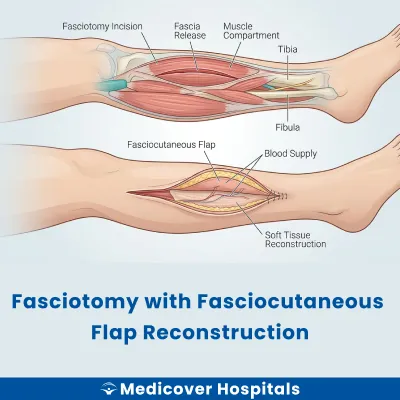
Fasciotomy with Fasciocutaneous Flap Reconstruction is a surgical procedure involving the release of pressure in the fascia (connective tissue) of a limb, often the leg or arm. This is followed by covering the area with a flap of skin and tissue. The procedure helps restore blood flow and prevent tissue damage. The fasciocutaneous flap (skin and underlying tissue) aids in healing and protects the exposed areas after the fasciotomy.
This surgery is essential for conditions like compartment syndrome, where increased pressure in a muscle compartment can lead to severe damage. If untreated, it can cause permanent muscle and nerve damage. Modern surgical approaches include minimally invasive techniques and advanced flap designs. These methods aim to reduce recovery time and improve outcomes.
Fasciotomy With Fasciocutaneous Flap Reconstruction Doctors Near You
Find skilled general-surgeons for fasciotomy with fasciocutaneous flap reconstruction at Medicover Hospitals across India. Choose your city and book a consultation to discuss your treatment options today.
Why Choose Medicover Hospitals for Fasciotomy With Fasciocutaneous Flap Reconstruction?
Get a second opinion from trusted experts and makeconfident, informed decisions.
 Get Second Opinion
Complete Guide To Fasciotomy With Fasciocutaneous Flap Reconstruction
Everything you need to know about the procedure, preparation, and recovery
Fasciotomy with Fasciocutaneous Flap Reconstruction Surgery Indications
Doctors recommend fasciotomy with fasciocutaneous flap reconstruction when there is a need to relieve pressure in a muscle compartment and restore skin coverage. This procedure is crucial when conservative treatments are insufficient to address the underlying issues.
Compartment Syndrome
Patients experience severe pain, swelling, and a feeling of tightness in the affected limb. On examination, doctors find increased pressure within the muscle compartment. When symptoms persist despite rest and medication, surgery is necessary to prevent muscle and nerve damage.
Crush Injuries
Severe pain, swelling, and bruising occur after a traumatic injury. Imaging may show muscle damage and compromised blood flow. If conservative measures like immobilization and pain management fail, surgery is needed to relieve pressure and restore circulation.
Infection-Induced Compartment Pressure
Signs include redness, warmth, and increasing pain in the affected area. Lab tests may reveal elevated white blood cell counts. When antibiotics and drainage do not alleviate pressure, surgical intervention is required.
Burns
Patients with deep burns experience tightness and restricted movement. Examination shows eschar formation limiting tissue expansion. When debridement and dressings do not suffice, surgery is performed to release pressure and cover the wound.
Vascular Compromise
Symptoms include coldness, numbness, and discoloration of the limb. Doppler studies may show reduced blood flow. If revascularization efforts fail to improve circulation, fasciotomy with flap reconstruction is indicated.
How to Prepare for Fasciotomy with Fasciocutaneous Flap Reconstruction?
Proper preparation is crucial for a smooth surgery and recovery. It helps minimise risks and ensures optimal outcomes.
- Medication Review: Stop NSAIDs, anticoagulants, and herbal supplements a week before surgery. Consult your doctor for guidance.
- Fasting: Fast for at least 8 hours before the procedure. This is essential for anaesthesia safety.
- Pre-Surgery Hygiene: Clean the surgical area as instructed by your healthcare provider to reduce infection risk.
- Clothing: Wear loose, comfortable clothing on the day of surgery. This makes changing easier post-operation.
- Transportation: Arrange for someone to drive you home after the procedure. Anaesthesia effects can linger.
- Medication List: Bring a list of current medications with dosages. This helps the medical team manage your care effectively.
- Smoking and Alcohol: Avoid smoking and alcohol at least 24 hours before surgery. They can interfere with healing.
- Follow Instructions: Adhere to all pre-operative instructions given by your surgeon for the best results.
Fasciotomy with Fasciocutaneous Flap Reconstruction Surgery (Step-by-Step)
Overview: This procedure is performed by general surgeons. It typically lasts 2-4 hours. It is done under general anaesthesia to ensure the patient is unconscious and pain-free.
- Preparation: The patient is positioned on the operating table. The surgical area is cleaned and sterilised.
- Incision: A 1-2 cm incision is made using a scalpel to access the affected fascia. The size may vary based on the severity of the condition.
- Fasciotomy: The surgeon uses a curette or a harmonic scalpel to carefully release the fascia. This relieves pressure and restores blood flow.
- Flap Design: A fasciocutaneous flap is planned. The surgeon marks the skin to ensure the flap will cover the defect adequately.
- Flap Elevation: The flap is carefully elevated using surgical scissors and forceps. It is then rotated or advanced to cover the area.
- Flap Securing: The flap is secured in place with sutures. The surgeon ensures proper alignment and tension to promote healing.
- Closure and Dressing: The incision is closed with sutures or staples. A sterile dressing is applied to protect the site.
Who Performs Fasciotomy with Fasciocutaneous Flap Reconstruction Surgery?
This surgery is performed by general surgeons. They have expertise in managing soft tissue injuries and reconstructive techniques. Their skills ensure the procedure is done safely and effectively.
Recovery After Fasciotomy with Fasciocutaneous Flap Reconstruction Surgery
Recovery from fasciotomy with fasciocutaneous flap reconstruction involves careful monitoring and gradual return to daily activities. It is important to follow your doctor's instructions to ensure proper healing.
Day 1-3:
- Expect some pain and swelling. Pain relief medications will be provided.
- Keep the limb elevated to reduce swelling.
- Consume soft, easy-to-digest foods like curd, dal-rice, and soups.
Day 4-7:
- Continue with prescribed medications and wound care.
- Begin gentle movements as advised by your doctor.
- Include protein-rich foods like moong dal and khichdi to aid healing.
Day 8-14:
- Gradually increase mobility, but avoid strenuous activities.
- Regular follow-up visits to monitor healing progress.
- Maintain a balanced diet with plenty of fluids.
Phase 3 (Week 3-6):
- Begin physical therapy if recommended.
- Slowly resume work or school activities, depending on your comfort level.
- Continue a nutritious diet to support recovery.
When to Seek Urgent Help
- Increased pain or swelling at the surgical site.
- Fever or chills indicating possible infection.
- Redness or discharge from the wound.
- Loss of sensation or movement in the affected limb.
Benefits of Fasciotomy with Fasciocutaneous Flap Reconstruction Surgery
This procedure helps restore function and appearance after severe soft tissue injuries.
- Pressure Relief: Fasciotomy alleviates pressure in the muscle compartments, preventing tissue damage.
- Improved Blood Flow: The procedure enhances circulation, promoting healing and recovery.
- Functional Restoration: It aids in restoring limb function, allowing for better mobility.
- Cosmetic Improvement: The fasciocutaneous flap helps cover defects, improving the aesthetic outcome.
Risks and Complications of Fasciotomy with Fasciocutaneous Flap Reconstruction Surgery
While generally safe, this surgery carries certain risks and complications.
- Common: Infection at the surgical site can occur, requiring further treatment.
- Common: Scarring may develop, affecting the appearance of the skin.
- Rare: Nerve damage may result in numbness or weakness in the affected area.
- Rare: Blood clots can form, posing a risk of further complications.
- Rare: Flap failure may occur, necessitating additional surgical intervention.
Cost of Fasciotomy with Fasciocutaneous Flap Reconstruction Surgery
The cost of Fasciotomy with Fasciocutaneous Flap Reconstruction Surgery at Medicover Hospitals ranges from Rs. 52,500 to Rs. 136,000. The price varies based on the ward category chosen. We offer transparent pricing and support for insurance and TPA, including CGHS, ESI, and major TPAs. A cashless facility is also available for your convenience. Please contact the hospital for the latest insurance panel details as these may change periodically.
Frequently Asked Questions
1. How much does Fasciotomy with Fasciocutaneous Flap Reconstruction surgery cost at Medicover Hospitals?
The cost ranges from Rs. 52,500 to Rs. 136,000 across Medicover Hospitals. Prices vary based on room type and other factors.
2. Is Fasciotomy with Fasciocutaneous Flap Reconstruction surgery covered under health insurance at Medicover?
Yes, it is often covered by CGHS, ESI, and major TPAs with cashless options. Please contact the hospital for current panel details.
3. Will I have limited movement after fasciotomy?
You may experience limited movement initially due to swelling and healing. Physiotherapy will help restore mobility over time.
4. Can I drive after fasciotomy surgery?
Driving is not recommended immediately after surgery. Wait until your doctor confirms your leg strength and reflexes are adequate.
5. Will fasciotomy affect my leg's appearance?
The surgery may leave scars on the leg, but these usually fade over time. Discuss scar management options with your doctor.
6. Can I return to sports after fasciotomy?
Returning to sports is possible after full recovery, which may take several months. Follow your physiotherapist's guidance for a safe return.
7. What diet should I follow post-fasciotomy?
Eat a balanced diet with foods like curd, dal-rice, and khichdi. These help in healing and provide necessary nutrients.


