 Call
Call Patient Reports
Advanced Facio Maxillary Reconstruction Surgery Hospital
Facio Maxillary Reconstruction at Medicover Hospitals is performed using open surgical techniques. Our team includes MDS-qualified Plastic surgeons skilled in managing facial trauma and dental aesthetic concerns. Patients benefit from shorter hospital stays and effective treatment outcomes across India.
Expert Surgeons
Yearly Surgeries
Patient Satisfaction
What is Facio Maxillary Reconstruction?
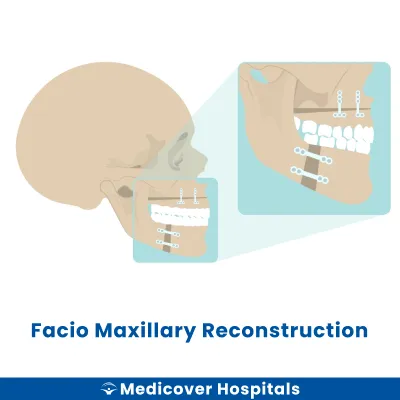
Facio Maxillary Reconstruction is a surgical procedure aimed at repairing and restoring the facial and maxillary (upper jaw) structures. This surgery involves the bones, muscles, and tissues of the face and jaw. It addresses deformities or damages resulting from trauma, congenital defects, or disease. The goal is to improve function and appearance.
This surgery is needed for conditions like facial fractures, cleft palate, or tumours. If untreated, these conditions can lead to functional impairments, such as difficulty in eating or speaking, and aesthetic concerns. Modern surgical approaches include microvascular free tissue transfer and computer-aided surgical planning. These techniques help achieve better outcomes in reconstructing facial structures.
Facio Maxillary Reconstruction Doctors Near You
Discover skilled Plastic surgeons for facio maxillary reconstruction at Medicover Hospitals across India. Choose your city and book a consultation to explore tailored treatment options for your dental needs.
Why Choose Medicover Hospitals for Facio Maxillary Reconstruction?
Get a second opinion from trusted experts and makeconfident, informed decisions.
 Get Second Opinion
Complete Guide To Facio Maxillary Reconstruction
Everything you need to know about the procedure, preparation, and recovery
Facio Maxillary Reconstruction Surgery Indications
Facio maxillary reconstruction surgery is recommended when structural issues in the face and jaw affect function or appearance. Dentists suggest this procedure when non-surgical treatments do not resolve the underlying problems.
Facial Trauma
Patients may experience severe pain, swelling, or bleeding after an accident. X-rays or CT scans reveal fractures or dislocations in the facial bones. Surgery is considered when these injuries do not heal with conservative methods like splints or medication.
Congenital Deformities
Individuals with birth defects such as cleft palate may have difficulty eating or speaking. Examination shows abnormal facial structure. Surgery is advised when these issues persist despite speech therapy or dental appliances.
Severe Malocclusion
Patients often report difficulty chewing or jaw pain. Dental exams reveal misaligned teeth or jaw discrepancies. When orthodontic treatments fail to correct the alignment, surgery becomes necessary.
Chronic Sinus Issues
Persistent sinus infections can cause facial pain and breathing difficulties. Imaging tests show blockages or structural abnormalities in the sinus area. Surgery is recommended when medications and other treatments do not provide relief.
Facial Tumours
Patients may notice swelling or lumps in the facial region. Biopsies or imaging confirm the presence of benign or malignant tumours. Surgery is required when these growths affect facial function or aesthetics and cannot be managed with medication alone.
How to Prepare for Facio Maxillary Reconstruction?
Preparation is crucial for facio maxillary reconstruction to ensure a smooth surgery and recovery. Proper steps help minimise risks and enhance outcomes.
- Medication Review: Stop NSAIDs, anticoagulants, and herbal supplements 1-2 weeks before surgery.
- Fasting Guidelines: Fast for at least 8 hours before the procedure as general anaesthesia is used.
- Nasal Preparations: Use prescribed nasal sprays to reduce swelling and improve breathing.
- Smoking Cessation: Quit smoking several weeks prior to surgery to promote healing.
- Clothing: Wear loose, comfortable clothing on the day of surgery for ease of changing and comfort.
- Transportation: Arrange for someone to drive you home post-surgery as you may feel drowsy.
- Medication List: Bring a list of current medications with dosages for the medical team.
- Hydration: Stay well-hydrated in the days leading up to the surgery for optimal recovery.
Facio Maxillary Reconstruction Surgery (Step-by-Step)
This surgery is performed by Plastic surgeons and oral and maxillofacial surgeons. It typically lasts 3-6 hours and is done under general anaesthesia.
- Pre-operative Assessment: The surgeon evaluates the facial structure using imaging techniques. This helps in planning the procedure.
- Incision and Exposure: Small incisions, usually 1-2 cm, are made to access the facial bones. The surgeon uses retractors to expose the area.
- Bone Reshaping or Grafting: The surgeon may use a curette or harmonic scalpel to reshape bones. Bone grafts may be added to support the structure.
- Fixation: Plates and screws are used to fix the bones in place. A coblation wand may be used to minimize bleeding.
- Soft Tissue Adjustment: Soft tissues are repositioned and sutured. This ensures proper alignment and function.
- Closure: The incisions are closed with sutures. A sterile dressing is applied to protect the area.
- Post-operative Care: The patient is monitored as they wake up from anaesthesia. Pain management and antibiotics may be provided.
Who Performs Facio Maxillary Reconstruction Surgery?
This surgery is performed by Plastic surgeons. They have specialised training in treating facial injuries and deformities. Their expertise ensures the structural and functional restoration of the face.
Recovery After Facio Maxillary Reconstruction Surgery
Recovery from facio maxillary reconstruction surgery requires patience and care. It involves managing swelling, pain, and gradually returning to normal activities. Following your surgeon's advice is crucial for a smooth recovery.
Day 1-3:
- Expect swelling and discomfort. Use prescribed pain relief as needed.
- Stick to a liquid diet. Include items like soups and broths.
- Rest is essential. Avoid any physical exertion.
Day 4-7:
- Swelling should begin to decrease. Continue with pain management.
- Transition to soft foods like curd, dal-rice, and khichdi.
- Gentle oral hygiene practices are important. Follow your doctor's instructions.
Week 2-4:
- Gradually introduce more solid foods. Moong dal and soft vegetables are good options.
- Light activities can be resumed, but avoid strenuous exercises.
- Most patients can return to work or school, depending on their comfort level.
Month 1-3:
- Continue to follow dietary recommendations and avoid hard or chewy foods.
- Regular follow-ups with your surgeon are important to monitor healing.
- Engage in normal activities as tolerated, but listen to your body.
When to Seek Urgent Help
Contact your healthcare provider if you experience severe pain not relieved by medication, excessive swelling, fever, or any signs of infection such as pus or unusual discharge. Prompt attention to these symptoms is crucial for your recovery.
Benefits of Facio Maxillary Reconstruction Surgery
Facio maxillary reconstruction surgery can significantly improve both function and appearance for individuals with facial deformities or injuries.
- Improved Functionality: Enhances the ability to chew, speak, and breathe properly.
- Aesthetic Enhancement: Restores facial symmetry and appearance, boosting self-confidence.
- Pain Relief: Alleviates discomfort associated with facial deformities or trauma.
- Psychological Benefits: Reduces anxiety and depression related to facial disfigurements.
Risks and Complications of Facio Maxillary Reconstruction Surgery
While facio maxillary reconstruction surgery can offer significant benefits, it is important to be aware of potential risks and complications.
- Infection (Common): Risk of infection at the surgical site.
- Bleeding (Common): Possibility of excessive bleeding during or after surgery.
- Nerve Damage (Rare): Potential for temporary or permanent nerve injury.
- Scarring (Common): Visible scars may develop at incision sites.
- Bone Healing Issues (Rare): Delayed or improper healing of bones.
- Allergic Reactions (Rare): Possible allergic response to anaesthesia or materials used.
Cost of Facio Maxillary Reconstruction Surgery
The cost of Facio Maxillary Reconstruction Surgery at Medicover Hospitals ranges from Rs. 150000 to Rs. 850000. The price varies depending on the ward category chosen, such as day care, general, private, or deluxe options.
We offer transparent pricing and support for insurance and TPA, including CGHS, ESI, and major TPAs. A cashless facility is also available to ease the financial process for patients. Please contact the hospital for the latest insurance panel details as these may change periodically.
Frequently Asked Questions
1. How much does Facio Maxillary Reconstruction surgery cost at Medicover Hospitals?
The cost ranges from Rs. 150000 to Rs. 850000 across Medicover Hospitals, depending on the type of room and care required.
2. Is Facio Maxillary Reconstruction surgery covered under health insurance at Medicover?
Facio Maxillary Reconstruction surgery may be covered by CGHS, ESI, and major TPAs. Please contact the hospital for current panel details.
3. Will my facial appearance change after surgery?
Facio Maxillary Reconstruction aims to restore facial symmetry and function. Some changes in appearance may occur, but these are typically positive.
4. Can I eat solid food immediately after surgery?
After Facio Maxillary Reconstruction, a soft diet like dal-rice or khichdi is recommended initially. Solid foods can be reintroduced gradually as advised by your doctor.
5. Will I experience numbness in my face post-surgery?
Temporary numbness is common after Facio Maxillary Reconstruction due to nerve involvement. Sensation typically returns over weeks to months.
6. How long before I can return to work?
Most patients can resume work 2-4 weeks after Facio Maxillary Reconstruction, depending on the nature of their job and recovery progress.
7. Are there any speech difficulties post-surgery?
Speech difficulties can occur after Facio Maxillary Reconstruction due to swelling or alignment changes. Speech therapy may help improve any temporary issues.
8. Is maxillofacial surgery a plastic surgery?
Maxillofacial surgery is a specialized branch that focuses on the face, jaw, and mouth, and it overlaps with plastic surgery in some reconstructive and cosmetic procedures. However, it is a distinct field often performed by oral and maxillofacial surgeons with dental and surgical training.
9. How painful is facial reconstruction surgery?
Facial reconstruction surgery can cause moderate pain and discomfort, especially in the first few days after the procedure. Pain is usually well managed with medications, and most patients feel gradual improvement within 1–2 weeks.


