 Call
Call Patient Reports
External Ventricular Drainage or Ventriculostomy Procedure at Medicover Hospitals
External Ventricular Drainage or Ventriculostomy at Medicover Hospitals is performed using an open surgical approach by skilled neurosurgeons with qualifications like MS, DNB, and MCh. This procedure helps manage brain conditions efficiently, often resulting in shorter hospital stays for patients.
Expert Surgeons
Yearly Surgeries
Patient Satisfaction
What is External Ventricular Drainage or Ventriculostomy?
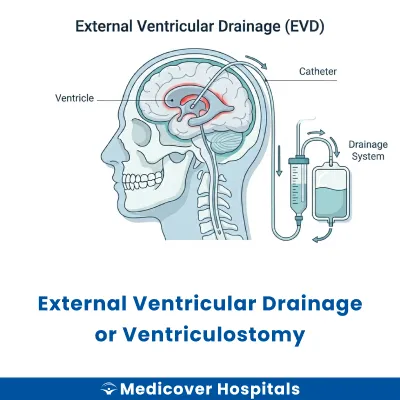
External Ventricular Drainage, also known as Ventriculostomy, is a medical procedure involving the brain. It involves placing a catheter (a thin tube) into the ventricles (fluid-filled spaces) of the brain. This helps drain excess cerebrospinal fluid (CSF) to relieve pressure and prevent damage to brain tissues.
This procedure is often necessary for conditions like hydrocephalus, traumatic brain injury, or brain haemorrhage. These conditions can lead to increased intracranial pressure. If untreated, it can cause severe neurological damage or even be life-threatening. Modern surgical approaches for this procedure include image-guided techniques and minimally invasive methods. These help in precise placement of the catheter, reducing risks and improving outcomes.
External Ventricular Drainage or Ventriculostomy Doctors Near You
Find skilled neurosurgeons for external ventricular drainage at Medicover Hospitals across India. Choose your city and book a consultation to discuss your treatment options with our experts.
Why Choose Medicover Hospitals for External Ventricular Drainage or Ventriculostomy?
Get a second opinion from trusted experts and makeconfident, informed decisions.
 Get Second Opinion
Complete Guide To External Ventricular Drainage Or Ventriculostomy
Everything you need to know about the procedure, preparation, and recovery
External Ventricular Drainage or Ventriculostomy procedure Indications
Doctors recommend External Ventricular Drainage or Ventriculostomy when there is a need to relieve elevated intracranial pressure. This procedure is crucial in managing conditions where fluid accumulation in the brain leads to life-threatening complications.
Hydrocephalus
Patients often experience headaches, nausea, and balance issues. Imaging may show enlarged ventricles. When medication fails to reduce symptoms, this procedure helps drain excess fluid.
Traumatic Brain Injury
Symptoms include confusion, vomiting, and loss of consciousness. CT scans often reveal brain swelling. If conservative measures do not control pressure, drainage becomes necessary.
Subarachnoid Haemorrhage
Severe headaches, neck stiffness, and photophobia are common symptoms. CT or MRI scans show bleeding in the brain. When medical management is insufficient, drainage is required to prevent complications.
Intraventricular Haemorrhage
Patients may present with sudden weakness, speech difficulties, and altered consciousness. Imaging shows bleeding within the ventricles. When bleeding leads to increased pressure, surgical intervention is needed.
Cerebral Edema
Symptoms include severe headaches, seizures, and confusion. MRI or CT scans reveal swelling. If medications do not alleviate pressure, drainage is considered to reduce the risk of further damage.
How to Prepare for External Ventricular Drainage or Ventriculostomy?
Proper preparation is crucial for External Ventricular Drainage or Ventriculostomy to ensure a smooth procedure and recovery. Following the guidelines helps minimise risks and complications.
- Medication Review: Stop NSAIDs, anticoagulants, and herbal supplements as advised by your doctor.
- Fasting Guidelines: Fast for at least 8 hours before the procedure due to general anaesthesia requirements.
- Pre-Surgery Tests: Complete any required blood tests or imaging studies as scheduled by your healthcare provider.
- Personal Items: Wear loose, comfortable clothing on the day of the procedure.
- Transportation: Arrange for someone to drive you home post-procedure, as you may feel drowsy.
- Medication List: Bring a list of current medications with dosages for hospital records.
- Consent Forms: Ensure all necessary consent forms are signed and submitted before the procedure.
- Hygiene: Follow any specific hygiene instructions given by your healthcare team, such as washing your hair.
External Ventricular Drainage or Ventriculostomy procedure (Step-by-Step)
Overview: This procedure is performed by neurosurgeons. It typically lasts 1-2 hours and is done under general anaesthesia.
- Preparation: The patient's head is shaved and cleaned. They are placed under general anaesthesia to ensure they are asleep and pain-free.
- Incision: A small incision of about 1-2 cm is made on the scalp. This allows access to the skull.
- Drilling: A burr hole is created in the skull using a surgical drill. This provides a pathway to the brain's ventricles.
- Catheter Insertion: A ventricular catheter is gently inserted through the burr hole into the ventricle. This tube helps drain excess cerebrospinal fluid.
- Securing the Catheter: The catheter is secured in place. It is connected to an external drainage system to collect the fluid.
- Closure: The incision is closed with sutures or staples. A dressing is applied to protect the area.
- Monitoring: The patient is closely monitored for any changes in neurological status. The drainage system is regularly checked to ensure proper function.
Who Performs External Ventricular Drainage or Ventriculostomy procedure?
This procedure is performed byneurosurgery experts. They are specialists trained in surgeries involving the brain and nervous system. Their expertise ensures the procedure is done safely and effectively.
Recovery After External Ventricular Drainage or Ventriculostomy procedure
Recovery from an External Ventricular Drainage or Ventriculostomy procedure involves careful monitoring and gradual return to normal activities. Patients can expect to stay in the hospital for a few days to ensure proper healing and function of the drainage system.
Day 1-3:
- Rest in the hospital under medical supervision.
- Initial discomfort and headache may occur. Pain management will be provided.
- Begin with a light diet. Include soft foods like curd, dal-rice, and soups.
Day 4-7:
- Gradual increase in activity as advised by the doctor.
- Continue with a balanced diet. Incorporate easily digestible foods like khichdi and moong dal.
- Monitor for any signs of infection or complications.
Week 2:
- Most patients can return home if no complications arise.
- Light activities can be resumed, but avoid strenuous tasks.
- Follow-up appointments are crucial to check the healing process.
Phase 3-4 Weeks:
- Gradual return to work or school, depending on individual recovery.
- Continue to avoid heavy lifting or intense physical activities.
- Maintain a nutritious diet to support recovery.
When to Seek Urgent Help:
- Severe headache or persistent nausea.
- Sudden changes in vision or consciousness.
- Signs of infection such as fever or redness around the incision site.
Please contact the hospital for current details as insurance panels may change.
Benefits of External Ventricular Drainage or Ventriculostomy procedure
This procedure helps manage conditions related to increased intracranial pressure.
- Pressure Relief: It effectively reduces pressure inside the skull.
- Fluid Drainage: Helps in draining excess cerebrospinal fluid.
- Monitoring: Allows for precise monitoring of intracranial pressure.
- Symptom Management: Alleviates symptoms like headaches and nausea.
Risks and Complications of External Ventricular Drainage or Ventriculostomy procedure
While generally safe, there are potential risks associated with the procedure.
Common Risks:
- Infection at the insertion site.
- Bleeding in the brain or along the catheter path.
Rare Risks:
- Blockage of the drainage catheter.
- Over-drainage leading to brain collapse.
- Neurological damage due to catheter placement.
- Seizures following the procedure.
Cost of External Ventricular Drainage or Ventriculostomy procedure
The cost of an External Ventricular Drainage or Ventriculostomy procedure can vary from ₹1,00,000 to ₹4,00,000 based on factors like the surgical approach, duration of hospital stay, room category, diagnostics, and post-operative care.
At Medicover Hospitals, we offer transparent pricing to help you plan your treatment. We support insurance and TPA options, including CGHS, ESI, and major TPAs, with cashless facilities available. Please contact the hospital for the latest insurance panel details as these may change periodically.
Frequently Asked Questions
1. How much does External Ventricular Drainage or Ventriculostomy procedure cost at Medicover Hospitals?
The cost of the External Ventricular Drainage or Ventriculostomy procedure varies from ₹1,00,000 to ₹4,00,
2. Please contact Medicover Hospitals for detailed pricing information. 2. Is External Ventricular Drainage or Ventriculostomy procedure covered under health insurance at Medicover?
This procedure may be covered by CGHS, ESI, and major TPAs. Please contact the hospital for current panel details.
3. What organ is involved in ventriculostomy?
The ventriculostomy procedure involves the brain. It helps in draining excess cerebrospinal fluid to relieve pressure.
4. Can I experience headaches after ventriculostomy?
Some patients may experience headaches after the procedure. This is usually temporary and should be discussed with your doctor if persistent.
5. Will I need lifestyle changes after ventriculostomy?
Post-procedure, you might need to avoid strenuous activities. Regular follow-ups and monitoring are essential for recovery.
6. Can infection occur after ventriculostomy?
Infection is a concern with ventriculostomy. Maintaining hygiene and following medical advice can help minimize this risk.
7. What diet should I follow after ventriculostomy?
A balanced diet with soft foods like khichdi and dal-rice is recommended. Avoiding spicy and oily foods can aid in recovery.


