 Call
Call Patient Reports
Advanced Submandibular Lymph Node Excision Surgery Hospital with Expert Care
At Medicover Hospitals, the excision of submandibular lymph nodes is performed using the open surgical approach. Our team of oncologists, with qualifications such as MS, DNB, and MCh, ensures precise removal. This method often results in reduced blood loss and shorter hospital stays.
Expert Surgeons
Yearly Surgeries
Patient Satisfaction
What is Excision of Submandibular Lymph Node?
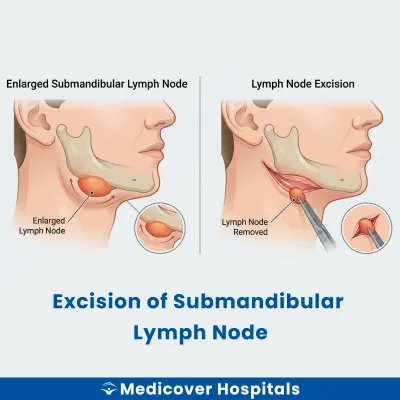
Excision of the submandibular lymph node is a surgical procedure to remove lymph nodes located beneath the lower jaw (submandibular area). These lymph nodes are part of the lymphatic system, which helps the body fight infections and diseases. The procedure involves carefully removing the affected lymph nodes to prevent the spread of disease or infection.
This surgery is often needed when there is suspicion of cancer, persistent swelling, or infection in the submandibular lymph nodes. If left untreated, these conditions can lead to further complications, including the spread of cancer or chronic infection. Modern surgical approaches for this procedure include minimally invasive techniques and traditional open surgery. These methods aim to reduce recovery time and improve outcomes.
Excision of Submandibular Lymph Node Doctors Near You
Find experienced oncologists for excision of submandibular lymph nodes at Medicover Hospitals across India. Choose your city and book a consultation to discuss your treatment options today.
Why Choose Medicover Hospitals for Excision of Submandibular Lymph Node?
Get a second opinion from trusted experts and makeconfident, informed decisions.
 Get Second Opinion
Complete Guide To Excision Of Submandibular Lymph Node
Everything you need to know about the procedure, preparation, and recovery
Excision of Submandibular Lymph Node Surgery Indications
Doctors may recommend the excision of a submandibular lymph node when there are persistent symptoms or diagnostic findings that suggest an underlying condition. This procedure is often considered when less invasive treatments have not resolved the issue.
Persistent Swelling
Patients may experience a swollen area under the jaw that does not subside with medication. Doctors may find enlarged lymph nodes during a physical exam. If imaging shows persistent enlargement despite antibiotics, surgery might be necessary.
Unexplained Pain
Some patients report continuous pain in the submandibular region. On examination, tenderness and swelling may be noted. If pain persists despite pain relief medications, excision may be advised to investigate further.
Suspicion of Malignancy
When a patient presents with a hard, immovable lump, doctors may suspect cancer. Biopsy results or imaging that suggest malignancy often led to surgical removal for definitive diagnosis and treatment.
Recurrent Infections
Frequent infections in the submandibular area can cause repeated swelling and discomfort. If antibiotics fail to prevent recurrence, surgery may be recommended to remove the affected lymph node.
Diagnostic Uncertainty
In cases where imaging and tests do not clearly identify the cause of lymph node enlargement, excision may be performed. This helps in obtaining a tissue sample for accurate diagnosis.
How to Prepare for Excision of Submandibular Lymph Node?
Proper preparation is crucial for a smooth excision of the submandibular lymph node. It helps minimise risks and ensures a quicker recovery.
- Medication Review: Stop NSAIDs, anticoagulants, and herbal supplements at least a week before surgery.
- Fasting Guidelines: Fast for at least 8 hours before the procedure if general anaesthesia is used.
- Pre-Surgery Tests: Complete any required blood tests or imaging studies as advised by your doctor.
- Personal Items: Wear loose, comfortable clothing on the day of surgery. It helps ease movement post-procedure.
- Transportation: Arrange for someone to drive you home after the surgery, as you may feel drowsy from anaesthesia.
- Medication List: Bring a list of all medications you are currently taking, including dosages, to the hospital.
- Smoking and Alcohol: Avoid smoking and alcohol for at least 24 hours before surgery to aid recovery.
- Hygiene: Bathe and wash your hair the night before or the morning of the surgery to reduce infection risk.
Excision of Submandibular Lymph Node Surgery (Step-by-Step)
This procedure is performed by cancer care experts. It typically lasts 1-2 hours. General anaesthesia is used to ensure the patient is asleep and pain-free during the surgery.
- Preparation: The patient is positioned comfortably. The surgical area is cleaned and sterilised to prevent infection.
- Incision: A small incision, about 1-2 cm, is made under the jawline. This provides access to the submandibular lymph node.
- Exposure: The surgeon carefully separates the tissue layers using surgical instruments like a scalpel and retractors to expose the lymph node.
- Excision: The lymph node is identified and carefully removed using a harmonic scalpel or bipolar cautery. These tools help minimise bleeding and ensure precision.
- Closure: Once the lymph node is excised, the incision is closed with sutures or surgical glue. This helps the wound heal properly.
- Recovery: The patient is moved to a recovery room. Vital signs are monitored as they wake up from anaesthesia.
- Post-Operative Care: Pain management and wound care instructions are provided. The patient is advised on follow-up visits.
Who Performs Excision of Submandibular Lymph Node Surgery?
This surgery is performed by oncologists or head and neck surgeons. They have specialised training in diagnosing and treating conditions affecting lymph nodes. Their expertise ensures the procedure is done safely and effectively.
Recovery After Excision of Submandibular Lymph Node Surgery
Recovery from excision of a submandibular lymph node involves managing discomfort and ensuring proper healing. Expect some swelling and mild pain initially. Follow your doctor's advice for a smooth recovery.
Day 1-3:
- Rest is crucial. Avoid strenuous activities.
- Swelling and bruising around the incision site are common.
- Stick to soft foods like curd, dal-rice, and soups to avoid strain on the jaw.
- Keep the head elevated to reduce swelling.
Day 4-7:
- Gradually resume light activities as tolerated.
- Continue with a soft diet. Include khichdi and moong dal for nutrition.
- Monitor the incision site for signs of infection.
- Pain should start to decrease. Follow prescribed pain management.
Day 8-14:
- Most patients can return to work or school, depending on comfort.
- Normal diet can be resumed, but avoid hard or spicy foods.
- Gentle neck exercises may be recommended to improve mobility.
- Continue to avoid heavy lifting or vigorous exercise.
When to Seek Urgent Help:
- Fever or chills indicating possible infection.
- Excessive swelling or redness around the incision.
- Severe pain not relieved by medication.
- Unusual discharge or bleeding from the incision site.
Benefits of Excision of Submandibular Lymph Node Surgery
Excision of a submandibular lymph node can be essential for diagnosis and treatment. Here are some benefits:
- Diagnostic Clarity: Helps in obtaining a definitive diagnosis for conditions like infections or malignancies.
- Symptom Relief: Can alleviate symptoms such as pain or swelling associated with enlarged lymph nodes.
- Preventive Measure: Removes potentially problematic nodes before they cause further health issues.
- Pathological Analysis: Allows for detailed examination of the lymph node tissue.
Risks and Complications of Excision of Submandibular Lymph Node Surgery
While generally safe, this surgery carries some risks. It is important to be aware of them:
- Infection at the surgical site, which may require antibiotics.
- Bleeding during or after the procedure.
- Nerve damage leading to numbness or weakness in the face.
- Scarring at the incision site.
- Allergic reactions to anaesthesia used during the procedure.
Cost of Excision of Submandibular Lymph Node Surgery
The cost of excision of submandibular lymph node surgery at Medicover Hospitals varies depending on the ward category. Prices range from Rs. 21,000 to Rs. 1,50,000. The cost is influenced by the type of accommodation chosen, such as general, twin sharing, or private wards.
Medicover Hospitals offers transparent pricing, with support for insurance and TPA, including CGHS, ESI, and major TPAs. Cashless facilities are available for ease and convenience. Please contact the hospital for the latest insurance panel details as these may change periodically.
Frequently Asked Questions
1. How much does Excision of submandibular lymph node surgery cost at Medicover Hospitals?
The cost of Excision of submandibular lymph node surgery at Medicover Hospitals ranges from Rs. 21,000 to Rs. 1,50,000 depending on the type of care and accommodation.
2. Is Excision of submandibular lymph node surgery covered under health insurance at Medicover?
Excision of submandibular lymph node surgery may be covered by CGHS, ESI, and major TPAs with cashless options. Please contact the hospital for current panel details.
3. Will I have difficulty swallowing after surgery?
Some patients may experience temporary difficulty swallowing after the surgery. This usually improves within a few days as the area heals.
4. Can I eat spicy food after lymph node excision?
It is advisable to avoid spicy food initially after lymph node excision. Start with soft foods like curd, dal-rice, and khichdi for a week.
5. Will my jaw movement be affected post-surgery?
Jaw movement might be slightly restricted temporarily after surgery. This typically resolves as the swelling decreases and healing progresses.
6. Is there a risk of nerve damage during surgery?
There is a small risk of nerve damage during the excision of submandibular lymph nodes. Surgeons take precautions to minimise this risk.
7. Will my facial appearance change after surgery?
Temporary swelling may alter facial appearance slightly after surgery. This usually subsides within a few weeks, restoring normal appearance.


