 Call
Call Patient Reports
Endoscopic Nasal Cauterization with Diagnostic Nasal Endoscopy Procedure Hospital
Endoscopic Nasal Cauterization with Diagnostic Nasal Endoscopy at Medicover Hospitals is performed using an endoscopic approach. Our team includes skilled ENT Surgeons with qualifications like DM and DNB. This minimally invasive procedure often results in reduced blood loss and shorter hospital stays.
Expert Experts
Yearly Procedures
Patient Satisfaction
What is Endoscopic Nasal Cauterization With Diagnostic Nasal Endoscopy?
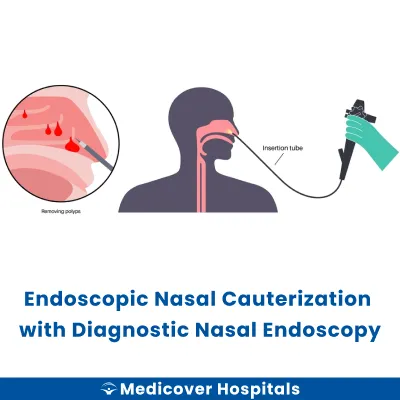
Endoscopic Nasal Cauterization with Diagnostic Nasal Endoscopy is a medical procedure involving the nose. It uses a thin tube with a camera (endoscope) to examine the nasal passages. Cauterization involves burning tissue to stop bleeding or remove growths. This procedure helps in both diagnosing and treating nasal issues.
This surgery is needed for conditions like frequent nosebleeds (epistaxis) or nasal polyps. If left untreated, these issues can lead to chronic discomfort or breathing difficulties. Modern surgical approaches include minimally invasive techniques. These ensure precise treatment with less recovery time. Early intervention can prevent complications and improve quality of life.
Endoscopic Nasal Cauterization With Diagnostic Nasal Endoscopy Doctors Near You
Discover expert cardiologists for endoscopic nasal cauterization with diagnostic nasal endoscopy at Medicover Hospitals. Choose your city and book a consultation to address your health needs today.
Why Choose Medicover Hospitals for Endoscopic Nasal Cauterization With Diagnostic Nasal Endoscopy?
Get a second opinion from trusted experts and makeconfident, informed decisions.
 Get Second Opinion
Complete Guide To Endoscopic Nasal Cauterization With Diagnostic Nasal Endoscopy
Everything you need to know about the procedure, preparation, and recovery
Endoscopic Nasal Cauterization with Diagnostic Nasal Endoscopy procedure Indications
Doctors recommend Endoscopic Nasal Cauterization with Diagnostic Nasal Endoscopy when patients experience persistent nasal issues. This procedure helps in diagnosing and treating conditions that do not respond to conservative treatments.
Recurrent Nosebleeds (Epistaxis)
Patients often experience frequent nosebleeds that do not stop with basic first aid. On examination, doctors may find visible bleeding points in the nasal cavity. When topical treatments and nasal packing fail, this procedure is considered.
Chronic Nasal Congestion
Patients report ongoing nasal blockage and difficulty breathing through the nose. Diagnostic imaging might show nasal polyps or swollen turbinates. When decongestants and nasal sprays do not provide relief, surgical intervention is advised.
Persistent Nasal Infections
Symptoms include continuous nasal discharge and facial pain. Examination may reveal infected tissue or pus in the nasal passages. If antibiotics and other medications do not resolve the infection, this procedure is recommended.
Nasal Tumors
Patients may notice nasal obstruction or visible growths. Imaging tests can confirm abnormal masses. When biopsy or removal is needed, this procedure aids in diagnosis and treatment.
Post-Surgical Bleeding
After nasal surgery, some patients experience ongoing bleeding. Examination shows active bleeding sites. When conservative measures like packing are ineffective, cauterization is necessary.
How to Prepare for Endoscopic Nasal Cauterization with Diagnostic Nasal Endoscopy?
Proper preparation is crucial for a smooth and successful endoscopic nasal cauterization with diagnostic nasal endoscopy. It helps minimize risks and ensures optimal results.
- Medication Review: Stop NSAIDs, anticoagulants, and herbal supplements 7-10 days before the procedure.
- Fasting Requirement: Fast for at least 6 hours before the procedure if general anaesthesia is used.
- Nasal Preparation: Use prescribed nasal sprays to reduce inflammation and clear nasal passages.
- Clothing Choice: Wear loose, comfortable clothing on the day of the procedure.
- Transportation Arrangement: Arrange for someone to drive you home post-procedure.
- Medication List: Bring a list of all medications with dosages to the hospital.
- Health Check: Inform your doctor of any recent illnesses, especially respiratory infections.
- Allergy Information: Notify the medical team of any known allergies, especially to medications.
Endoscopic Nasal Cauterization with Diagnostic Nasal Endoscopy procedure (Step-by-Step)
This procedure is performed by ENT specialists. It typically lasts 30 to 60 minutes and is usually done under local anaesthesia.
- Preparation: The patient is positioned comfortably. Local anaesthetic is applied to numb the nasal area.
- Diagnostic Nasal Endoscopy: An endoscope is gently inserted into the nostril. The specialist examines the nasal passages for any abnormalities.
- Identification of Bleeding Site: The source of nasal bleeding is identified using the endoscope. This helps in targeting the exact area for cauterization.
- Cauterization: A bipolar cautery device is used to cauterize the bleeding vessels. The heat seals the vessels, stopping the bleeding.
- Inspection: The area is inspected again with the endoscope to ensure the bleeding has stopped and there are no other issues.
- Post-Procedure Care: The patient is monitored for a short period. Instructions are given on nasal care and any necessary follow-up.
Who Performs Endoscopic Nasal Cauterization with Diagnostic Nasal Endoscopy procedure?
This procedure is performed by ENT (Ear, Nose, and Throat) specialists. They are trained to handle nasal and sinus conditions using endoscopic techniques. Their expertise ensures precise identification and treatment of nasal bleeding.
Recovery After Endoscopic Nasal Cauterization with Diagnostic Nasal Endoscopy procedure
Recovery from Endoscopic Nasal Cauterization with Diagnostic Nasal Endoscopy is generally swift. Most patients experience mild discomfort, which improves over a few days. Follow your doctor's instructions for a smooth recovery.
Day 1:
- Rest is crucial. Avoid strenuous activities.
- Expect mild nasal congestion or discomfort.
- Stick to soft foods like curd, dal-rice, or moong dal to ease swallowing.
Day 2-3:
- Continue resting. Avoid bending or lifting heavy objects.
- Nasal congestion may persist. Use saline sprays if recommended.
- Include light meals such as khichdi or soups in your diet.
Day 4-7:
- Gradually resume normal activities, but avoid vigorous exercise.
- Most can return to work or school by the end of this period, depending on comfort.
- Maintain a balanced diet with easy-to-digest foods.
Week 2:
- Engage in regular activities, but listen to your body.
- Continue to avoid any activity that may strain the nasal area.
- Follow up with your doctor as advised.
When to Seek Urgent Help
- Heavy bleeding from the nose.
- Severe pain unrelieved by prescribed medication.
- Fever above 101°F (38.3°C).
- Persistent nausea or vomiting.
- Signs of infection like increased redness or swelling.
If you experience any of these symptoms, contact your healthcare provider immediately.
Benefits of Endoscopic Nasal Cauterization with Diagnostic Nasal Endoscopy procedure
This procedure is effective for diagnosing and treating nasal issues.
- Accurate Diagnosis: Provides a clear view of the nasal passages for precise identification of issues.
- Targeted Treatment: Allows for direct treatment of nasal bleeding or lesions.
- Minimally Invasive: Reduces the need for open surgery with minimal discomfort.
- Quick Recovery: Patients often experience a faster recovery compared to traditional surgery.
Risks and Complications of Endoscopic Nasal Cauterization with Diagnostic Nasal Endoscopy procedure
While generally safe, there are potential risks and complications involved.
- Common: Mild nasal bleeding post-procedure.
- Common: Temporary nasal congestion or discomfort.
- Rare: Infection at the site of cauterization.
- Rare: Adverse reaction to anaesthesia.
- Rare: Damage to surrounding nasal tissues.
Cost of Endoscopic Nasal Cauterization with Diagnostic Nasal Endoscopy procedure
The cost of the Endoscopic Nasal Cauterization with Diagnostic Nasal Endoscopy procedure at Medicover Hospitals varies based on the ward category chosen. Prices range from Rs.7,500 to Rs.377,000 across different ward types. We offer transparent pricing and support for insurance and TPA, including CGHS, ESI, and major TPAs. Cashless facilities are available for your convenience. Please contact the hospital for the latest insurance panel details as these may change periodically.
Frequently Asked Questions
1. How much does Endoscopic Nasal Cauterization with Diagnostic Nasal Endoscopy procedure cost at Medicover Hospitals?
The cost ranges from Rs. 7500 to Rs. 377000 across Medicover Hospitals, depending on the specifics of your treatment and room choice.
2. Is Endoscopic Nasal Cauterization with Diagnostic Nasal Endoscopy procedure covered under health insurance at Medicover?
Many insurance providers like CGHS, ESI, and major TPAs offer coverage. Please contact the hospital for current panel details.
3. Can I breathe normally after nasal cauterization?
You might experience nasal congestion initially. Breathing usually improves within a week as swelling reduces.
4. Will I have nosebleeds after the procedure?
Minor nosebleeds can occur post-procedure. They typically resolve within a few days with proper care.
5. What foods should I avoid post-procedure?
Avoid spicy foods like chilli and pepper. Opt for soft foods like curd, dal-rice, and khichdi for a few days.
6. Is there a risk of infection after nasal cauterization?
Infection risk is low but possible. Follow post-operative care instructions to minimise this risk.
7. Can I exercise immediately after the procedure?
Strenuous activities should be avoided for at least a week. Light activities can usually be resumed after consulting your doctor.


