 Call
Call Patient Reports
Best Hospital for Aneurysm Embolization Procedure with Advanced Neuro & Vascular Care
At Medicover Hospitals, we provide expert aneurysm embolization procedure performed by experienced interventional neuroradiologists and neurosurgeons. This minimally invasive treatment helps block blood flow to the aneurysm and prevent rupture. Using advanced imaging technology and modern cath labs, we ensure precise treatment, minimal complications, and faster recovery. Our team offers personalized care and continuous monitoring for the best outcomes.
Expert Specialists
Yearly Treatments
Patient Satisfaction
What is Embolization of Aneurysm?
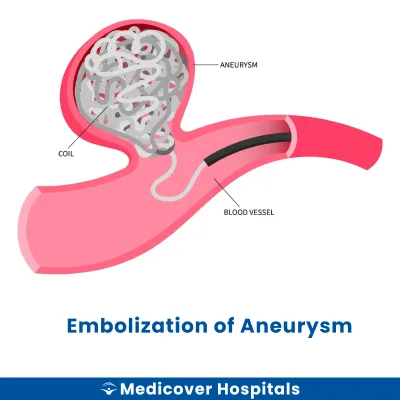
Embolization of an aneurysm is a medical procedure used to treat aneurysms, which are bulging, weakened areas in the wall of a blood vessel. This procedure is commonly performed in the brain (cerebral aneurysm) but can also be applied to other parts of the body. During embolization, materials like coils or glue are inserted into the aneurysm to block blood flow and prevent rupture.
This surgery is needed to prevent the aneurysm from bursting, which can lead to life-threatening bleeding. Conditions like high blood pressure or trauma can cause aneurysms. If left untreated, an aneurysm may rupture, leading to severe complications or death. Modern surgical approaches for embolization include endovascular coiling and flow diversion techniques. These methods are minimally invasive and aim to secure the aneurysm effectively.
Embolization of Aneurysm Doctors Near You
Discover expert neurosurgeons and interventional radiologists for aneurysm embolization at Medicover Hospitals across India. Choose your city and book a consultation to discuss your treatment options with our specialists today.
Why Choose Medicover Hospitals for Embolization of Aneurysm?
Get a second opinion from trusted experts and makeconfident, informed decisions.
 Get Second Opinion
Complete Guide To Embolization Of Aneurysm
Everything you need to know about the procedure, preparation, and recovery
Embolization of Aneurysm Procedure Indications
Doctors recommend embolization of an aneurysm when non-surgical methods are insufficient or when the risk of rupture is high. This minimally invasive procedure helps prevent complications associated with aneurysms.
Intracranial Aneurysm
Patients often experience severe headaches, vision problems, or neck pain. Imaging tests like MRI or CT scans reveal a bulging blood vessel in the brain. When symptoms persist and the risk of rupture increases, embolization is considered.
Subarachnoid Hemorrhage
Sudden, intense headaches and nausea are common symptoms. CT scans show bleeding in the space surrounding the brain. If conservative treatments fail to control the bleeding, embolization is recommended to prevent further complications.
Unruptured Aneurysm
Patients may not show symptoms, but routine imaging can detect an aneurysm. Doctors suggest embolization when the aneurysm is large or located in a high-risk area, even if it hasn't ruptured yet.
Recurrent Aneurysm
Some patients experience a return of symptoms like headaches or vision changes after previous treatment. Imaging reveals the aneurysm has reformed. Embolization is advised when other treatments have not been successful.
Failed Clipping Surgery
Patients may continue to have symptoms like headaches or neurological deficits after surgical clipping. Imaging shows incomplete closure of the aneurysm. Embolization is considered when clipping does not fully resolve the issue.
How to Prepare for Embolization of Aneurysm?
Proper preparation is crucial for the success and safety of an embolization procedure. It helps minimize risks and ensures a smooth recovery.
- Medication Review: Stop NSAIDs, anticoagulants, and herbal supplements as advised by your doctor.
- Fasting: Do not eat or drink anything for at least 6-8 hours before the procedure.
- Medical History: Bring a list of all medications with dosages to the hospital.
- Clothing: Wear loose and comfortable clothing on the day of the procedure.
- Transportation: Arrange for someone to drive you home after the procedure.
- Pre-Procedure Tests: Complete any blood tests or imaging studies as instructed by your healthcare provider.
- Consent Forms: Ensure all consent forms are signed and understood before the procedure.
- Personal Items: Leave valuables at home and bring only essentials to the hospital.
Embolization of Aneurysm procedure (Step-by-Step)
Embolization of an aneurysm is performed by interventional radiologists. The procedure typically lasts 1 to 3 hours and is done under general anaesthesia to ensure the patient is comfortable and pain-free.
- Preparation: The patient is positioned on the operating table. Vital signs are monitored. A catheter is inserted into the groin area through a small incision (1-2 cm).
- Catheter Insertion: A guide wire is used to navigate the catheter through the blood vessels to reach the aneurysm. The patient remains under anaesthesia and does not feel any discomfort.
- Imaging: Contrast dye is injected through the catheter. X-ray images are taken to locate the aneurysm accurately. The patient may feel a warm sensation as the dye is injected.
- Embolization: Tiny coils or liquid embolic agents are delivered through the catheter to fill the aneurysm. This blocks blood flow to the aneurysm, preventing rupture. The patient remains unaware of these internal steps.
- Removal of Instruments: Once the embolization is complete, the catheter and guide wire are carefully removed. Pressure is applied to the incision site to prevent bleeding.
- Recovery: The patient is moved to a recovery area. Vital signs are monitored as the anaesthesia wears off. The patient may feel groggy but is closely observed for any complications.
Who Performs Embolization of Aneurysm procedure?
Interventional radiologists perform the embolization of aneurysm procedure. These specialists are trained in minimally invasive, image-guided treatments using advanced imaging techniques like fluoroscopy and angiography.
They work closely with neurosurgeons and vascular surgeons to ensure precise catheter navigation and safe blockage of the aneurysm. Their expertise helps reduce risks, avoid open surgery, and achieve better outcomes with faster recovery.
Recovery After Embolization of Aneurysm procedure
Recovery after an embolization of an aneurysm procedure can vary for each person. Generally, it involves a short hospital stay followed by a period of rest at home. You may experience mild discomfort, which can be managed with prescribed medications.
Day 1-3:
- Rest is crucial. Stay in bed or sit comfortably.
- Follow a light diet. Opt for easily digestible foods like curd, dal-rice, and soups.
- Avoid any strenuous activities.
Day 4-7:
- Gradually increase light activities, like walking around the house.
- Continue with a balanced diet. Include khichdi and moong dal for nutrition.
- Avoid lifting heavy objects or bending.
Day 8-14:
- You may start resuming normal activities, but avoid high-intensity exercises.
- Return to work or school if you feel comfortable, but ensure it's not physically demanding.
- Maintain hydration and a nutritious diet to support recovery.
Phase 3 (Week 3-4):
- Most daily activities can be resumed, but consult your doctor before engaging in any vigorous exercise.
- Continue monitoring your health and follow up with your healthcare provider.
When to Seek Urgent Help
- Severe headache or sudden vision changes.
- Difficulty speaking or weakness in limbs.
- Persistent nausea or vomiting.
- Any unusual symptoms or severe pain.
If you experience any of these symptoms, contact your healthcare provider immediately.
Benefits of Embolization of Aneurysm procedure
Embolization of an aneurysm is a minimally invasive procedure aimed at preventing rupture and reducing the risk of bleeding.
- Minimally Invasive: Requires only a small incision, reducing recovery time.
- Reduced Hospital Stay: Patients often experience shorter hospital stays compared to open surgery.
- Lower Risk of Infection: As it involves less exposure, the risk of infection is minimized.
- Quick Recovery: Patients can return to normal activities sooner.
- Effective in Preventing Rupture: Helps in sealing the aneurysm, preventing potential rupture.
Risks and Complications of Embolization of Aneurysm procedure
While embolization is generally safe, like any medical procedure, it carries certain risks.
- Common: Mild headache or nausea post-procedure.
- Common: Allergic reaction to contrast dye used during the procedure.
- Rare: Blood vessel damage or rupture during the procedure.
- Rare: Stroke due to dislodged clots or air bubbles.
- Rare: Infection at the catheter insertion site.
- Rare: Recurrence of the aneurysm requiring further treatment.
Cost of Embolization of Aneurysm Procedure
The cost of the Embolization of Aneurysm procedure in India typically ranges between ₹1,50,000 and ₹5,50,000, depending on factors such as the surgical approach, duration of hospital stay, room category, required diagnostics, and post-operative care.
At Medicover Hospitals, we ensure transparent pricing for all procedures. We offer insurance and TPA support, including CGHS, ESI, and major TPAs, with a cashless facility available for your convenience. Please contact the hospital for the latest insurance panel details as these may change periodically.
Frequently Asked Questions
1. How much does Embolization of Aneurysm cost?
For cost details of the Embolization of Aneurysm procedure, the cost in India typically ranges between ₹1,50,000 and ₹5,50,000, depending on the surgical approach, hospital stay, diagnostic tests, and post-procedure care. Please contact Medicover Hospitals directly.
2. Is Embolization of Aneurysm covered by insurance?
Many insurance plans, including CGHS and ESI, may cover this procedure. Please contact the hospital for current panel details.
3. Can I exercise after brain aneurysm embolization?
Avoid strenuous activities for at least 4-6 weeks post-procedure. Light walking is generally recommended after consultation with your doctor.
4. Will I experience headaches after embolization?
Mild headaches are common after the procedure and usually subside within a few days. Consult your doctor if they persist or worsen.
5. Can I fly after having a brain aneurysm embolization?
Flying is generally discouraged for at least 2 weeks after the procedure. Always consult your doctor before planning air travel.
6. What foods should I avoid post-embolization?
Limit caffeine and processed foods, and opt for lighter meals like dal-rice or khichdi. Consult your doctor for a personalized diet plan.
7. Is there a risk of re-bleeding after embolization?
Though rare, re-bleeding can occur and requires immediate medical attention. Regular follow-up appointments are crucial to monitor your condition.
8. What is the recovery time for aneurysm embolization?
Recovery after aneurysm embolization is usually 1 to 2 weeks for most daily activities. Some patients may need a slightly longer recovery depending on the location of the aneurysm and overall health, but hospital stay is typically short (1-3 days).
9. Is embolization a major surgery?
No, embolization is considered a minimally invasive procedure, not a major surgery. It is performed using a catheter inserted through a small puncture, which results in faster recovery and fewer complications compared to open surgery.


