 Call
Call Patient Reports
Elevation of Depressed Skull Fracture Surgery at Medicover Hospitals
At Medicover Hospitals, our neurosurgeons, holding qualifications like MS, MCh, and DNB, perform the Elevation of Depressed Skull Fracture using an open surgical approach. This procedure helps in reducing intracranial pressure and restoring skull shape, leading to shorter hospital stays and improved recovery.
Expert Surgeons
Yearly Surgeries
Patient Satisfaction
What is Elevation of Depressed Skull Fracture?
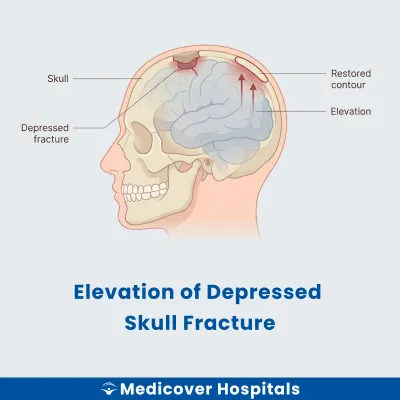
Elevation of Depressed Skull Fracture is a surgical procedure to correct a sunken area in the skull. The skull, which protects the brain, can become indented due to trauma. This condition is known as a depressed skull fracture. The surgery involves lifting the depressed bone fragments to their normal position. This helps in restoring the skull's shape and protecting the brain.
This surgery is necessary when a depressed skull fracture occurs, often due to head injuries from accidents or falls. If left untreated, it can lead to brain damage or infection. Modern surgical approaches include craniotomy (opening the skull) and minimally invasive techniques. These methods aim to safely elevate the bone and ensure brain protection.
Elevation of Depressed Skull Fracture Doctors Near You
Find expert neurosurgeons for elevation of depressed skull fractures at Medicover Hospitals across India. Choose your city and book a consultation today for specialized care.
Why Choose Medicover Hospitals for Elevation of Depressed Skull Fracture?
Get a second opinion from trusted experts and makeconfident, informed decisions.
 Get Second Opinion
Complete Guide To Elevation Of Depressed Skull Fracture
Everything you need to know about the procedure, preparation, and recovery
Elevation of Depressed Skull Fracture Surgery Indications
Doctors recommend the elevation of a depressed skull fracture surgery when the fracture causes significant symptoms or poses a risk to brain function. This procedure is considered when conservative treatments are inadequate.
Severe Headache and Neurological Symptoms
Patients may experience intense headaches, nausea, or vomiting. Neurological exams might reveal weakness, numbness, or altered consciousness. If symptoms persist despite medication, surgery is advised.
Open Fracture with Bone Fragment Displacement
Visible bone fragments may penetrate the scalp, causing bleeding and infection risk. Imaging shows displaced bone pressing on brain tissue. Surgery is necessary when the fracture is open and displaced.
Intracranial Hemorrhage
Patients might show signs of confusion, drowsiness, or seizures. CT scans reveal bleeding beneath the skull. Surgery is needed if bleeding does not resolve with non-surgical methods.
Severe Cosmetic Deformity
Visible skull depressions can cause distress and affect self-esteem. Physical exams confirm significant deformity. Surgery is considered when cosmetic concerns impact quality of life.
Persistent Cerebrospinal Fluid Leak
Clear fluid may drain from the nose or ears, indicating a CSF leak. Imaging confirms the leak's source. Surgery is required if the leak persists despite conservative treatment.
Please contact the hospital for current details as insurance panels may change.
How to Prepare for Elevation of Depressed Skull Fracture?
Proper preparation is crucial for the elevation of a depressed skull fracture to ensure a smooth surgery and recovery. Following the guidelines helps reduce risks and complications.
- Medication Review: Stop NSAIDs, anticoagulants, and herbal supplements at least a week before surgery, as advised by your doctor.
- Fasting: Do not eat or drink anything for at least 8 hours before the surgery to prepare for general anaesthesia.
- Pre-Surgery Tests: Complete all required blood tests and imaging studies as instructed by your healthcare provider.
- Personal Items: Bring a list of your current medications with dosages to the hospital for reference.
- Clothing: Wear loose, comfortable clothing on the day of the surgery for ease of changing and comfort.
- Transportation: Arrange for someone to drive you home post-surgery, as you will not be able to drive yourself.
- Smoking and Alcohol: Avoid smoking and alcohol consumption for at least 24 hours before the procedure.
- Rest and Relaxation: Ensure you get a good night's sleep before the surgery to help your body prepare.
Elevation of Depressed Skull Fracture Surgery (Step-by-Step)
Overview: This procedure is performed by neurosurgeons. It typically lasts 2-4 hours and is done under general anaesthesia.
- Preparation: The patient is placed under general anaesthesia. The head is positioned to provide optimal access to the fracture site.
- Incision: A 1-2 cm incision is made over the fracture. This allows the surgeon to access the depressed area of the skull.
- Elevation: Using surgical instruments like an elevator or curette, the surgeon carefully lifts the depressed bone fragments back to their normal position.
- Stabilisation: Plates and screws may be used to secure the bone fragments. This ensures the skull maintains its proper shape and function.
- Inspection: The surgeon inspects the area for any bleeding or damage to underlying tissues. Bipolar cautery may be used to control bleeding.
- Closure: The incision is closed with sutures or staples. A sterile dressing is applied to protect the site.
- Recovery: The patient is moved to a recovery area. They are monitored as they wake from anaesthesia.
Who Performs Elevation of Depressed Skull Fracture Surgery?
This surgery is performed by neurosurgery doctors. They are specialists trained in surgical procedures involving the brain and skull. Their expertise ensures the safe handling of delicate structures during the operation.
Recovery After Elevation of Depressed Skull Fracture Surgery
Recovery from elevation of a depressed skull fracture surgery involves careful monitoring and gradual return to daily activities. Patients can expect a structured recovery plan to ensure proper healing and prevent complications.
Day 1-3:
- Rest is crucial. Limit head movement and avoid strenuous activities.
- Consume soft, easily digestible foods like curd, dal-rice, and soups.
- Keep the surgical site clean and dry. Follow the doctor's instructions for wound care.
Day 4-7:
- Gradually increase light activities as tolerated. Avoid bending or lifting heavy objects.
- Continue with a nutritious diet including khichdi and moong dal to support healing.
- Attend follow-up appointments to monitor recovery progress.
Day 8-14:
- Most patients can resume light work or school activities, depending on individual recovery.
- Focus on balanced meals and hydration to maintain energy levels.
- Avoid contact sports or activities that risk head injury.
Phase 3 (Week 3-4):
- Gradual return to normal activities. Continue to avoid high-impact sports.
- Maintain a healthy diet and regular follow-up with the healthcare provider.
- Monitor for any unusual symptoms and report them promptly.
When to Seek Urgent Help:
- Severe headache or persistent vomiting.
- Confusion, drowsiness, or difficulty waking up.
- Seizures or any new neurological symptoms.
- Signs of infection at the surgical site, such as redness, swelling, or discharge.
Benefits of Elevation of Depressed Skull Fracture Surgery
Elevation of depressed skull fracture surgery is performed to address skull depressions that can affect brain function. This procedure offers several benefits:
- Restoration of Skull Shape: Helps in restoring the normal contour of the skull.
- Relief from Pressure: Reduces pressure on the brain, which can prevent further complications.
- Improved Brain Function: Aims to enhance neurological function by alleviating pressure.
- Reduced Risk of Infection: Helps in lowering the risk of infections by addressing open fractures.
Risks and Complications of Elevation of Depressed Skull Fracture Surgery
While this surgery can be beneficial, it also carries certain risks. It's important to be aware of these potential complications:
Common Risks
- Infection at the surgical site.
- Bleeding during or after the procedure.
Rare Risks
- Seizures post-surgery.
- Neurological deficits such as weakness or numbness.
- Cerebrospinal fluid leakage.
- Adverse reaction to anaesthesia.
Cost of Elevation of Depressed Skull Fracture Surgery
The cost of Elevation of Depressed Skull Fracture Surgery can vary from ₹40,000 to ₹2,50,000, based on factors such as the surgical approach, duration of hospital stay, room category, diagnostic tests, and post-operative care.
At Medicover Hospitals, we ensure transparent pricing. We offer support for insurance and TPA services, including CGHS, ESI, and major TPAs, with a cashless facility available. Please contact the hospital for the latest insurance panel details as these may change periodically.
Frequently Asked Questions
1. How much does Elevation of Depressed Skull Fracture surgery cost at Medicover Hospitals?
The cost of Elevation of Depressed Skull Fracture surgery varies from ₹40,000 to ₹2,50,
2. Please contact Medicover Hospitals for the most accurate pricing information. 2. Is Elevation of Depressed Skull Fracture surgery covered under health insurance at Medicover?
This surgery is often covered by CGHS, ESI, and major TPAs. Please contact the hospital for current panel details.
3. Will I experience headaches after skull fracture surgery?
Some patients may experience headaches after the surgery. These usually improve over time with proper rest and medication.
4. Can I resume sports after skull fracture surgery?
You should avoid contact sports for at least six months post-surgery. Consult your doctor for a personalised recovery plan.
5. Will I have memory issues after skull fracture surgery?
Memory issues can occur temporarily after surgery. Regular follow-ups and cognitive exercises can aid recovery.
6. Can I travel by air soon after skull fracture surgery?
It's advisable to avoid air travel for at least six weeks post-surgery. Consult your doctor before planning any trips.
7. What foods should I eat after skull fracture surgery?
Consume soft, nutritious foods like dal-rice, khichdi, and curd. These are easy to digest and help in recovery.


