 Call
Call Patient Reports
Electrophysiology Study and Radiofrequency Ablation Procedure at Medicover Hospitals
At Medicover Hospitals, our electrophysiologists, with qualifications like MD, DM (Cardiology), FHRS, and CEPS, perform Electrophysiology Study and Radiofrequency Ablation using endoscopic techniques. This approach often results in smaller incisions and shorter hospital stays for patients across India.
Expert Specialists
Yearly Treatments
Patient Satisfaction
What is Electrophysiology Study and Radiofrequency Ablation?
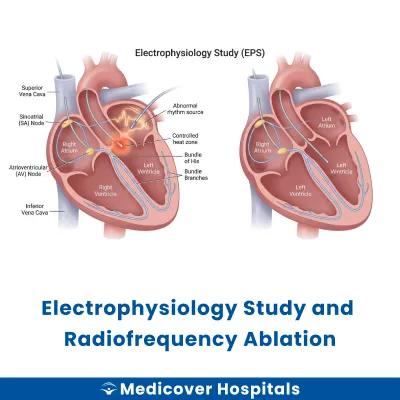
Electrophysiology Study (EPS) is a test that examines the electrical activity of the heart. It helps identify abnormal heart rhythms (arrhythmias). Radiofrequency Ablation (RFA) is a procedure that uses heat to destroy problematic heart tissue causing these irregular rhythms. Both procedures focus on the heart, aiming to restore normal rhythm and function.
EPS and RFA are needed for conditions like atrial fibrillation, supraventricular tachycardia, and ventricular tachycardia. These conditions can lead to serious complications if untreated, such as stroke or heart failure. Modern approaches include catheter-based techniques, which are minimally invasive. They offer quicker recovery and reduced risk compared to traditional surgery. Timely intervention is crucial for maintaining heart health.
Electrophysiology Study and Radiofrequency Ablation Doctors Near You
Find experienced electrophysiologists at Medicover Hospitals across India. Choose your city and book a consultation to explore Electrophysiology Study and Radiofrequency Ablation options near you.
Why Choose Medicover Hospitals for Electrophysiology Study and Radiofrequency Ablation?
Get a second opinion from trusted experts and makeconfident, informed decisions.
 Get Second Opinion
Complete Guide To Electrophysiology Study And Radiofrequency Ablation
Everything you need to know about the procedure, preparation, and recovery
Electrophysiology Study and Radiofrequency Ablation procedure Indications
Doctors recommend Electrophysiology Study and Radiofrequency Ablation when patients experience irregular heart rhythms that affect their quality of life. This procedure helps identify and treat the source of abnormal electrical signals in the heart.
Atrial Fibrillation
Patients often feel palpitations, fatigue, or shortness of breath. Tests may show irregular heartbeats on an ECG. When medications fail to control symptoms, this procedure may be considered.
Supraventricular Tachycardia (SVT)
Patients report a rapid heartbeat, dizziness, or chest discomfort. An ECG reveals a fast heart rate originating above the ventricles. If lifestyle changes and medications don't help, this procedure is an option.
Ventricular Tachycardia
Symptoms include fainting, breathlessness, or chest pain. ECG findings show a fast heart rate starting in the ventricles. When antiarrhythmic drugs are ineffective, this procedure may be recommended.
Wolff-Parkinson-White Syndrome
Patients may experience palpitations or lightheadedness. ECG results show an extra electrical pathway in the heart. If symptoms persist despite medication, this procedure is advised.
Atrial Flutter
Patients feel a rapid or irregular heartbeat. ECG shows a sawtooth pattern. When medications don't relieve symptoms, this procedure is considered.
How to Prepare for Electrophysiology Study and Radiofrequency Ablation?
Proper preparation is crucial for a successful Electrophysiology Study and Radiofrequency Ablation. It ensures safety and enhances the procedure's effectiveness.
- Medication Management: Stop NSAIDs, anticoagulants, and herbal supplements as advised by your doctor.
- Fasting: Do not eat or drink anything for at least 6-8 hours before the procedure due to anaesthesia requirements.
- Clothing: Wear loose, comfortable clothing on the day of the procedure for ease and comfort.
- Transportation: Arrange for someone to drive you home after the procedure, as you may feel drowsy.
- Medication List: Bring a list of all medications you are currently taking, including dosages.
- Pre-Procedure Tests: Complete any blood tests or imaging studies as instructed by your healthcare provider.
- Hydration: Stay well-hydrated the day before the procedure unless otherwise directed.
- Communication: Inform your doctor about any recent illnesses or changes in health.
Electrophysiology Study and Radiofrequency Ablation procedure (Step-by-Step)
Overview: This procedure is performed by an electrophysiologist. It typically lasts 2 to 4 hours. Local anaesthesia is commonly used, sometimes with sedation.
- Preparation: The patient is positioned on the procedure table. Local anaesthesia is administered to numb the groin area.
- Catheter Insertion: A small incision (1-2 cm) is made in the groin. A catheter is inserted into a blood vessel using a sheath.
- Electrophysiology Study: The catheter, guided by fluoroscopy, reaches the heart. It records electrical signals to identify abnormal rhythms.
- Ablation: Once the source of arrhythmia is located, radiofrequency energy is delivered through the catheter. This creates a small scar to block abnormal signals.
- Monitoring: The heart's rhythm is monitored to ensure the arrhythmia is corrected. Additional ablation may be performed if needed.
- Catheter Removal: The catheter is carefully withdrawn. Pressure is applied to the incision site to prevent bleeding.
- Recovery: The patient is moved to a recovery area. They are monitored for a few hours to ensure stability before discharge.
Who Performs Electrophysiology Study and Radiofrequency Ablation procedure?
An electrophysiologist doctorwith specialised training in heart rhythm disorders, performs this procedure. They use tools like catheters and fluoroscopy to diagnose and treat arrhythmias effectively.
Recovery After Electrophysiology Study and Radiofrequency Ablation procedure
Recovery from an Electrophysiology Study and Radiofrequency Ablation procedure is usually smooth. Most patients experience minimal discomfort and can return to their daily routines within a short period. However, it is essential to follow specific guidelines to ensure a safe and effective recovery.
Day 1-2:
- Rest is crucial. Avoid strenuous activities.
- Keep the catheter insertion site clean and dry.
- Consume light meals like curd, dal-rice, or moong dal to avoid digestive discomfort.
Day 3-5:
- Gradually increase light activities like walking.
- Continue with a balanced diet. Include soups and khichdi for easy digestion.
- Avoid lifting heavy objects or bending over.
Day 6-7:
- Most patients can resume work or school, provided it does not involve physical exertion.
- Monitor the insertion site for any signs of infection.
- Maintain hydration and a nutritious diet.
Phase 2 (Week 2-4):
- Gradually return to normal activities, avoiding high-intensity exercises.
- Follow up with your doctor for any specific dietary or activity recommendations.
- Continue eating a balanced diet with plenty of fluids.
When to Seek Urgent Help:
- Contact your doctor if you experience chest pain, shortness of breath, or excessive bleeding from the insertion site.
- Seek immediate medical attention for severe swelling, fever, or irregular heartbeats.
Benefits of Electrophysiology Study and Radiofrequency Ablation procedure
Electrophysiology Study and Radiofrequency Ablation are effective procedures for treating heart rhythm disorders.
- Improved Heart Rhythm: Helps restore normal heart rhythm by targeting abnormal electrical pathways.
- Minimally Invasive: Performed through small incisions, reducing recovery time and hospital stay.
- Reduced Symptoms: Alleviates symptoms such as palpitations, dizziness, and fatigue.
- Long-term Relief: Offers a potential long-term solution for arrhythmias, reducing the need for medication.
Risks and Complications of Electrophysiology Study and Radiofrequency Ablation procedure
While generally safe, there are some risks associated with Electrophysiology Study and Radiofrequency Ablation.
Common Risks
- Minor bleeding or bruising at the catheter insertion site.
- Temporary arrhythmias during or after the procedure.
Rare Risks
- Damage to the heart's electrical system, potentially requiring a pacemaker.
- Blood clots leading to stroke or heart attack.
- Infection at the catheter insertion site.
- Perforation of the heart or blood vessels.
Cost of Electrophysiology Study and Radiofrequency Ablation procedure
The cost of an Electrophysiology Study and Radiofrequency Ablation procedure can vary from ₹1,50,000 to ₹4,60,000 based on factors such as the surgical approach, duration of hospital stay, room category, required diagnostics, and post-operative care.
At Medicover Hospitals, we offer transparent pricing to ensure clarity. We support insurance and TPA services, including CGHS, ESI, and major TPAs, with a cashless facility available. Please contact the hospital for the latest insurance panel details as these may change periodically.
Frequently Asked Questions
1. How much does Electrophysiology Study and Radiofrequency Ablation procedure cost at Medicover Hospitals?
The cost of the Electrophysiology Study and Radiofrequency Ablation procedure varies from ₹1,50,000 to ₹4,60,
2. Please contact Medicover Hospitals for detailed pricing information. 2. Is Electrophysiology Study and Radiofrequency Ablation procedure covered under health insurance at Medicover?
This procedure is often covered by CGHS, ESI, and major TPAs. Please contact the hospital for current panel details.
3. Will I feel heart palpitations after the procedure?
Some patients may experience mild palpitations temporarily after the procedure. These usually subside within a few days as the heart heals.
4. Can I exercise immediately after the procedure?
It's advised to avoid strenuous activities for at least a week. Gradual resumption of exercise can be discussed with your doctor.
5. Is there a risk of heart block after the procedure?
There is a small risk of heart block, which may require a pacemaker. Your doctor will monitor your heart rhythm closely post-procedure.
6. What foods should I avoid after the procedure?
Avoid caffeine and spicy foods for a few days post-procedure. Opt for light meals like curd rice or khichdi to aid recovery.
7. Will I need medication after the procedure?
You may need medication to manage heart rhythm or prevent blood clots. Your doctor will provide a specific prescription based on your condition.


