 Call
Call Patient Reports
Distal Pancreatectomy and Splenectomy Surgery by Expert Gastroenterologists Surgical
At Medicover Hospitals, our consultant surgical gastroenterologists, with qualifications like MS, DNB, and MCh, perform distal pancreatectomy and splenectomy using advanced laparoscopic techniques. This approach typically results in smaller incisions and reduced blood loss, enhancing recovery across India.
Expert Surgeons
Yearly Surgeries
Patient Satisfaction
What is Distal Pancreatectomy and Splenectomy?
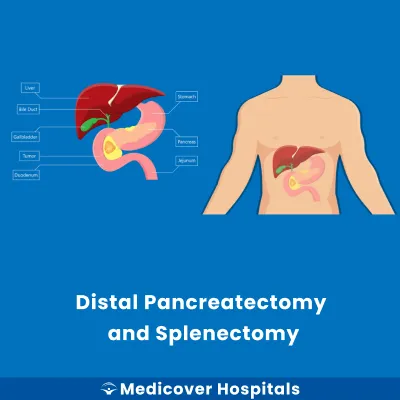
A Distal Pancreatectomy is a surgical procedure that involves removing the tail and body of the pancreas. The pancreas is an organ that helps in digestion and blood sugar regulation. A Splenectomy is the removal of the spleen, an organ that filters blood and supports the immune system. These procedures are often performed together when diseases affect both organs.
This surgery is needed for conditions like pancreatic cancer, cysts, or chronic pancreatitis. It may also be required for spleen-related issues like tumours or trauma. If left untreated, these conditions can lead to severe complications, including infections or diabetes. Modern surgical approaches include laparoscopic (minimally invasive) and robotic-assisted techniques, which may offer quicker recovery and less pain.
Distal Pancreatectomy and Splenectomy Doctors Near You
Discover skilled gastroenterologists-surgical for distal pancreatectomy and splenectomy at Medicover Hospitals across India. Choose your city and book a consultation to receive expert care.
Why Choose Medicover Hospitals for Distal Pancreatectomy and Splenectomy?
Get a second opinion from trusted experts and makeconfident, informed decisions.
 Get Second Opinion
Complete Guide To Distal Pancreatectomy And Splenectomy
Everything you need to know about the procedure, preparation, and recovery
Distal Pancreatectomy and Splenectomy Surgery Indications
Doctors recommend distal pancreatectomy and splenectomy when specific conditions affect the tail of the pancreas and spleen. This procedure is often considered when conservative treatments do not provide relief or when the condition poses significant health risks.
Pancreatic Tumours
Patients may experience abdominal pain, weight loss, or jaundice. Imaging tests like CT or MRI scans reveal masses in the pancreatic tail. Surgery is advised when the tumour is malignant or causes significant symptoms.
Chronic Pancreatitis
Severe abdominal pain and digestive issues are common. Imaging shows inflammation and damage to the pancreatic tail. When pain is unmanageable with medication, surgery is considered.
Pancreatic Cysts
Symptoms include abdominal discomfort and fullness. Ultrasound or MRI detects cystic lesions in the pancreas. Surgery is recommended if cysts are large, symptomatic, or have malignant potential.
Pancreatic Trauma
Patients often present with abdominal pain and internal bleeding. CT scans show damage to the pancreas and spleen. Surgery is needed when bleeding is severe or when conservative management fails.
Splenic Artery Aneurysm
Symptoms can include abdominal pain and a palpable mass. Imaging reveals an aneurysm near the spleen. Surgery is required if there's a risk of rupture or if symptoms are severe.
Please contact the hospital for current details as insurance panels may change.
How to Prepare for Distal Pancreatectomy and Splenectomy?
Proper preparation is crucial for a smooth surgery and recovery. It helps minimize risks and ensures you are ready for the procedure.
- Medication Review: Stop NSAIDs, anticoagulants, and herbal supplements as advised by your doctor.
- Fasting: Do not eat or drink anything for at least 8 hours before the surgery to prepare for anaesthesia.
- Pre-Surgery Tests: Complete all required blood tests, imaging, and other evaluations as scheduled.
- Clothing: Wear loose, comfortable clothing on the day of surgery for ease of movement post-operation.
- Transportation: Arrange for someone to drive you home after discharge, as you will not be able to drive yourself.
- Medication List: Bring a list of all medications you take, including dosages, to the hospital.
- Personal Items: Pack essentials like toiletries and a change of clothes for your hospital stay.
- Hospital Instructions: Follow any additional instructions provided by your healthcare team.
Distal Pancreatectomy and Splenectomy Surgery (Step-by-Step)
Overview: This procedure is performed by gastroenterologists-surgical. It typically lasts 3-4 hours and is done under general anaesthesia.
- Preparation: The patient is positioned on the operating table. General anaesthesia is administered to ensure the patient is asleep and pain-free.
- Incision: A small incision of about 1-2 cm is made in the abdomen. This allows the insertion of a laparoscope and other instruments.
- Accessing the Pancreas: Using a laparoscope, the surgeon locates the pancreas. Instruments like trocars and harmonic scalpels are used to carefully separate the pancreas from surrounding tissues.
- Resection of the Pancreas: The distal part of the pancreas is detached using a harmonic scalpel. Care is taken to ensure minimal blood loss.
- Splenectomy: The spleen is then carefully removed. Bipolar cautery may be used to control bleeding during this stage.
- Closure: The incision is closed with sutures or staples. The area is cleaned and dressed to prevent infection.
- Recovery: The patient is moved to the recovery room. Vital signs are monitored as the patient wakes from anaesthesia.
Who Performs Distal Pancreatectomy and Splenectomy Surgery?
This surgery is performed by gastroenterologists-surgical. They are trained in managing conditions of the digestive system requiring surgical intervention. Their expertise ensures the procedure is conducted safely and effectively.
Recovery After Distal Pancreatectomy and Splenectomy Surgery
Recovery from distal pancreatectomy and splenectomy surgery involves gradual healing and lifestyle adjustments. You may experience fatigue and discomfort initially, but these will improve over time. Follow your doctor's advice closely for a smooth recovery.
Day 1-3:
- Hospital stay for monitoring. Pain management and IV fluids are common.
- Start with a liquid diet. Gradually introduce soft foods like soups and dal-rice.
- Rest is crucial. Avoid any strenuous activity.
Day 4-7:
- Continue with a soft diet. Include curd, khichdi, and moong dal.
- Slowly increase walking around the house to improve circulation.
- Monitor the surgical site for any signs of infection.
Week 2-4:
- Introduce more solid foods as tolerated. Maintain a balanced diet.
- Avoid heavy lifting and strenuous activities.
- Discuss with your doctor about returning to work or school, usually after 4 weeks.
Phase: 1-3 Months:
- Gradual return to normal activities. Follow dietary recommendations to support digestion.
- Regular follow-up appointments to monitor recovery progress.
When to Seek Urgent Help
- High fever or chills.
- Severe abdominal pain or swelling.
- Persistent nausea or vomiting.
- Signs of infection at the incision site, such as redness or pus.
If you experience any of these symptoms, contact your healthcare provider immediately.
Benefits of Distal Pancreatectomy and Splenectomy Surgery
This surgery is performed to address various pancreatic and spleen conditions. It can offer several benefits.
- Removal of Tumours: Effective in removing benign or malignant tumours in the pancreas.
- Symptom Relief: Alleviates symptoms such as pain and digestive issues caused by pancreatic disorders.
- Prevent Complications: Helps in preventing complications like infection or bleeding from pancreatic cysts.
- Improved Quality of Life: Patients often experience an enhanced quality of life post-surgery.
Risks and Complications of Distal Pancreatectomy and Splenectomy Surgery
As with any surgery, there are risks involved. It is important to be aware of them.
Common Risks
- Infection at the surgical site.
- Bleeding during or after the procedure.
- Pancreatic fistula, where pancreatic fluid leaks from the cut edge.
Rare Risks
- Injury to nearby organs such as the stomach or intestines.
- Blood clots forming in the veins.
- Delayed gastric emptying, causing digestive issues.
Cost of Distal Pancreatectomy and Splenectomy Surgery
The cost of Distal Pancreatectomy and Splenectomy Surgery can vary from from ₹4,20,000 and ₹9,50,000, based on several factors. These include the surgical approach, duration of hospital stay, room category, required diagnostics, and post-operative care.
At Medicover Hospitals, we ensure transparent pricing for all procedures. We offer support for insurance and third-party administrators (TPAs), including CGHS, ESI, and major TPAs. A cashless facility is also available for your convenience. Please contact the hospital for the latest insurance panel details as these may change periodically.
Frequently Asked Questions
1. How much does Distal Pancreatectomy and Splenectomy surgery cost at Medicover Hospitals?
The cost of Distal Pancreatectomy and Splenectomy surgery varies from ₹4,20,000 and ₹9,50,
2. Please contact Medicover Hospitals for detailed pricing information. 2. Is Distal Pancreatectomy and Splenectomy surgery covered under health insurance at Medicover?
This surgery is often covered by CGHS, ESI, and major TPAs. Please contact the hospital for current panel details.
3. Will I need to take enzyme supplements after surgery?
Yes, enzyme supplements may be needed to aid digestion. Your doctor will guide you based on your specific condition.
4. Can I consume alcohol after my spleen is removed?
It is advisable to avoid alcohol for at least 6 weeks post-surgery. Consult your doctor for personalized advice.
5. Is there a risk of infections after spleen removal?
Yes, the risk of infections increases after spleen removal. Vaccinations and preventive antibiotics may be recommended.
6. Will my blood sugar levels change after surgery?
Blood sugar levels can be affected due to pancreatic changes. Regular monitoring and dietary adjustments may be necessary.
7. What foods should I eat during recovery?
Consume soft, easily digestible foods like khichdi, dal-rice, and curd. Avoid spicy and fatty foods for a smoother recovery.


