 Call
Call Patient Reports
Diagnostic Laparoscopy with Chromopertubation and Ovarian Drilling Surgery by Expert Gastroenterologists Surgical
Diagnostic Laparoscopy with Chromopertubation and Ovarian Drilling at Medicover Hospitals is performed using advanced laparoscopic techniques. Our team of surgical gastroenterologists, with qualifications like MS, DNB, and MCh, ensures precision. This approach results in smaller incisions and a shorter hospital stay.
Expert Surgeons
Yearly Surgeries
Patient Satisfaction
What is Diagnostic Laparoscopy With Chromopertubation and Ovarian Drilling?
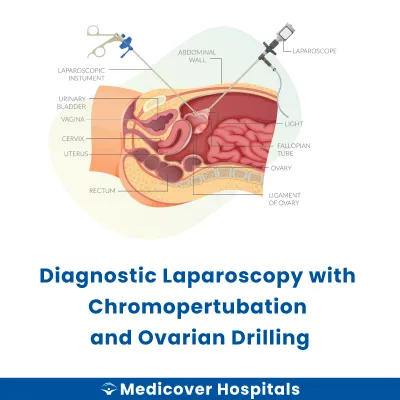
Diagnostic laparoscopy with chromopertubation and ovarian drilling is a minimally invasive procedure. It involves examining the pelvic organs, including the uterus, fallopian tubes, and ovaries. Chromopertubation checks the patency (openness) of the fallopian tubes by injecting a dye. Ovarian drilling involves making small holes in the ovaries to treat certain conditions.
This surgery is often needed for women with infertility issues, especially those with polycystic ovary syndrome (PCOS). It helps diagnose and treat blocked fallopian tubes and ovarian dysfunction. If left untreated, these conditions can lead to prolonged infertility and other complications. Modern surgical approaches like laparoscopy offer less pain and quicker recovery. They provide a clearer view of the pelvic area, aiding in accurate diagnosis and treatment.
Diagnostic Laparoscopy With Chromopertubation and Ovarian Drilling Doctors Near You
Find experienced gynecologists for diagnostic laparoscopy with chromopertubation and ovarian drilling at Medicover Hospitals across India. Choose your city and book a consultation today.
Why Choose Medicover Hospitals for Diagnostic Laparoscopy With Chromopertubation and Ovarian Drilling?
Get a second opinion from trusted experts and makeconfident, informed decisions.
 Get Second Opinion
Complete Guide To Diagnostic Laparoscopy With Chromopertubation And Ovarian Drilling
Everything you need to know about the procedure, preparation, and recovery
Diagnostic Laparoscopy with Chromopertubation and Ovarian Drilling Surgery Indications
Doctors recommend Diagnostic Laparoscopy with Chromopertubation and Ovarian Drilling when non-invasive methods fail to diagnose or treat certain reproductive issues. This procedure helps in evaluating and managing conditions related to infertility and pelvic pain.
Unexplained Infertility
When a couple struggles to conceive despite regular unprotected intercourse, doctors may suspect unexplained infertility. If initial tests like hormone levels and semen analysis are normal, this procedure helps assess tubal patency and ovarian function.
Suspected Tubal Blockage
Women experiencing infertility with a history of pelvic infections or surgeries may have blocked fallopian tubes. Chromopertubation during laparoscopy can confirm tubal patency, especially when imaging suggests obstruction.
Polycystic Ovary Syndrome (PCOS)
Patients with irregular periods, excessive hair growth, and obesity may have PCOS. When medications fail to induce ovulation, ovarian drilling can be considered to improve fertility by reducing androgen levels and restoring ovulation.
Chronic Pelvic Pain
Persistent pelvic pain unresponsive to medication may warrant further investigation. Laparoscopy allows direct visualization of the pelvic organs, helping identify conditions like endometriosis or adhesions that might not be visible on imaging.
Endometriosis Diagnosis
Women with painful periods, pelvic pain, and infertility may have endometriosis. When imaging is inconclusive, laparoscopy provides a definitive diagnosis and allows for treatment of endometrial implants.
How to Prepare for Diagnostic Laparoscopy with Chromopertubation and Ovarian Drilling?
Proper preparation is crucial for a smooth procedure and recovery. It helps minimise risks and ensures accurate results.
- Medication Review: Stop NSAIDs, anticoagulants, and herbal supplements as advised by your doctor.
- Fasting: Do not eat or drink anything for at least 8 hours before the procedure.
- Bowel Preparation: Follow any bowel prep instructions given by your doctor to clear the intestines.
- Comfortable Clothing: Wear loose, comfortable clothes on the day of the procedure.
- Transportation: Arrange for someone to drive you home post-procedure as you may feel drowsy.
- Medication List: Bring a list of all medications you are currently taking, including dosages.
- Pre-Procedure Tests: Complete any blood tests or imaging studies as recommended by your healthcare provider.
- Discuss Concerns: Talk to your doctor about any allergies or medical conditions you have.
Diagnostic Laparoscopy with Chromopertubation and Ovarian Drilling Surgery (Step-by-Step)
Overview: This procedure is performed by gynecologists. It typically lasts 1-2 hours and is done under general anaesthesia.
- Preparation: The patient is positioned on the operating table. General anaesthesia is administered to ensure comfort and pain-free experience.
- Incision and Access: Small incisions (1-2 cm) are made in the abdomen. A trocar is inserted through these incisions to allow the laparoscope and other instruments to enter.
- Diagnostic Laparoscopy: A laparoscope is inserted to view the abdominal organs. The surgeon examines the pelvic area for any abnormalities.
- Chromopertubation: A dye is injected through the cervix to check the patency of the fallopian tubes. The surgeon observes the flow of dye using the laparoscope.
- Ovarian Drilling: If necessary, a harmonic scalpel or bipolar cautery is used to make small punctures in the ovaries. This helps in restoring normal ovulation.
- Closure: After completing the procedure, the instruments are removed. The incisions are closed with sutures or surgical glue.
- Recovery: The patient is moved to a recovery room. They may experience mild discomfort as the anaesthesia wears off.
Who Performs Diagnostic Laparoscopy with Chromopertubation and Ovarian Drilling Surgery?
This surgery is performed by a Women's Health Specialist. These specialists are trained in minimally invasive procedures and have expertise in diagnosing and treating abdominal and pelvic conditions.
Recovery After Diagnostic Laparoscopy with Chromopertubation and Ovarian Drilling Surgery
Recovery from this procedure is generally smooth, but it's important to follow your doctor's advice for a quick and safe return to daily activities. Expect some discomfort initially, but it should gradually improve.
Day 1-3:
- Rest is crucial. Avoid strenuous activities.
- Start with a light diet. Opt for easily digestible foods like curd, dal-rice, and soups.
- Stay hydrated. Drink plenty of water.
Day 4-7:
- Gradually increase activity levels. Short walks can help improve circulation.
- Continue with a soft diet. Include khichdi and moong dal for nutrition.
- Monitor incision sites for any signs of infection.
Day 8-14:
- You may resume light work or school activities if you feel comfortable.
- Introduce more variety in your diet. Ensure meals are balanced and nutritious.
- Avoid heavy lifting or intense exercise.
Phase 3 (Week 3-4):
- Most patients can return to normal activities, including exercise, but listen to your body.
- Continue eating a balanced diet to support healing.
- Follow up with your doctor to ensure proper recovery.
When to Seek Urgent Help
- Severe abdominal pain or swelling.
- High fever or chills.
- Persistent nausea or vomiting.
- Heavy bleeding or unusual discharge.
- Signs of infection at the incision site, such as redness or pus.
Benefits of Diagnostic Laparoscopy with Chromopertubation and Ovarian Drilling Surgery
This procedure helps diagnose and treat certain reproductive health issues.
- Enhanced Diagnosis: Provides a clear view of the pelvic organs to identify abnormalities.
- Improved Fertility: Ovarian drilling can help restore ovulation in women with polycystic ovary syndrome (PCOS).
- Minimally Invasive: Involves small incisions, leading to quicker recovery and less scarring.
- Accurate Tubal Assessment: Chromopertubation helps evaluate the patency of fallopian tubes.
Risks and Complications of Diagnostic Laparoscopy with Chromopertubation and Ovarian Drilling Surgery
While generally safe, this procedure carries certain risks.
- Common: Mild pain and discomfort at the incision sites.
- Common: Temporary shoulder pain due to gas used during the procedure.
- Rare: Infection at the incision site.
- Rare: Damage to surrounding organs such as the bladder or intestines.
- Rare: Allergic reactions to anaesthesia.
- Rare: Excessive bleeding requiring further intervention.
Cost of Diagnostic Laparoscopy with Chromopertubation and Ovarian Drilling Surgery
The cost of Diagnostic Laparoscopy with Chromopertubation and Ovarian Drilling Surgery in India typically ranges from ₹40,000 to ₹1,00,000, depending on the surgical approach, duration of hospital stay, room category, required diagnostics, and post-operative care.
At Medicover Hospitals, we offer transparent pricing and support for insurance and TPA, including CGHS, ESI, and major TPAs. Cashless facility is available for eligible patients. Please contact the hospital for the latest insurance panel details as these may change periodically.
Frequently Asked Questions
1. How much does Diagnostic Laparoscopy with Chromopertubation and Ovarian Drilling surgery cost at Medicover Hospitals?
For cost details of Diagnostic Laparoscopy with Chromopertubation and Ovarian Drilling surgery, the cost in India typically ranges from ₹40,000 to ₹1,00,000, depending on the surgical approach, hospital stay, diagnostic tests, and post-operative care. Please contact Medicover Hospitals directly.
2. Is Diagnostic Laparoscopy with Chromopertubation and Ovarian Drilling surgery covered under health insurance at Medicover?
This surgery may be covered under CGHS, ESI, and major TPAs. Please contact the hospital for current panel details.
3. Can I conceive after ovarian drilling?
Ovarian drilling can improve ovulation, increasing chances of conception. However, individual results vary, and follow-up with your doctor is essential.
4. Will chromopertubation affect my fallopian tubes?
Chromopertubation assesses fallopian tube patency without causing damage. It's a diagnostic step to evaluate fertility issues.
5. Is there a risk of ovarian damage?
Ovarian drilling carries a small risk of ovarian damage, which can affect hormone levels. Discuss potential risks with your healthcare provider.
6. What should I eat after the procedure?
Post-surgery, opt for light meals like dal-rice or khichdi. Avoid spicy foods and focus on hydration for a smooth recovery.
7. How soon can I resume normal activities?
Most patients resume normal activities within a week. However, avoid strenuous activities for at least two weeks to ensure proper healing.
8. Is ovarian drilling a major surgery?
Ovarian drilling is generally considered a minor to moderate procedure, as it is performed using laparoscopy (minimally invasive surgery) with small incisions and usually involves a short hospital stay.
9. What is the recovery time for laparoscopic ovarian drilling?
Recovery is usually quick, with most patients returning to normal activities within 1 to 2 weeks. Mild pain or discomfort may be present for a few days after the procedure.
10. What is the rule of 4 in ovarian drilling?
The "rule of 4" refers to performing 4 punctures in each ovary, using about 4 watts of energy for 4 seconds each, to reduce the risk of complications while achieving effective results.


