 Call
Call Patient Reports
Best Hospital for Craniotomy and Evacuation of Epidural Hematoma with Expert Care
At Medicover Hospitals, our neurosurgeons, with qualifications like MS, MCh, and DNB, perform open craniotomy for the evacuation of epidural hematomas. This procedure effectively addresses brain injuries, resulting in reduced blood loss and facilitating a quicker recovery for patients across India.
Expert Surgeons
Yearly Surgeries
Patient Satisfaction
What is Craniotomy and Evacuation of Epidural Hematoma?
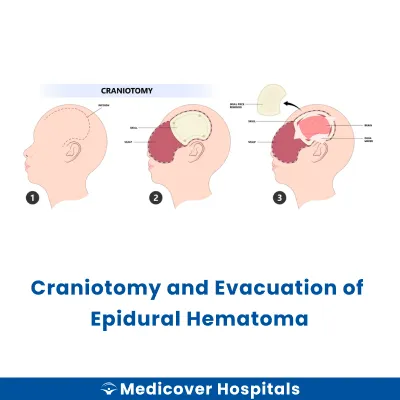
Craniotomy and evacuation of an epidural hematoma is a surgical procedure involving the brain. A craniotomy is the removal of a part of the skull to access the brain. An epidural hematoma is a collection of blood between the skull and the outer protective layer of the brain (dura mater). This procedure helps remove the blood clot and relieve pressure on the brain.
This surgery is needed when an epidural hematoma occurs, often due to head injury. If untreated, it can lead to increased intracranial pressure, brain damage, or even death. Modern surgical approaches include minimally invasive techniques and image-guided surgery. These methods aim to reduce recovery time and improve outcomes. Prompt treatment is crucial for preventing serious complications.
Craniotomy and Evacuation of Epidural Hematoma Doctors Near You
Discover skilled neurosurgeons for craniotomy and epidural hematoma evacuation at Medicover Hospitals across India. Choose your city and book a consultation to receive expert care.
Why Choose Medicover Hospitals for Craniotomy and Evacuation of Epidural Hematoma?
Get a second opinion from trusted experts and makeconfident, informed decisions.
 Get Second Opinion
Complete Guide To Craniotomy And Evacuation Of Epidural Hematoma
Everything you need to know about the procedure, preparation, and recovery
Craniotomy and evacuation of Epidural Hematoma Surgery Indications
Doctors recommend craniotomy and evacuation of an epidural hematoma when there is a need to relieve pressure on the brain caused by bleeding. This procedure is crucial when symptoms indicate significant brain compression or when imaging reveals a large hematoma.
Severe Headache and Vomiting
Patients may experience intense headaches and frequent vomiting. These symptoms suggest increased intracranial pressure. If imaging shows a substantial hematoma, surgery is often necessary.
Loss of Consciousness
Sudden loss of consciousness can occur due to brain compression. A CT scan revealing a large epidural hematoma prompts the need for surgical intervention to prevent further brain damage.
Neurological Deficits
Weakness or numbness in limbs, difficulty speaking, or vision problems may develop. These signs indicate brain pressure. If conservative measures fail and imaging confirms a hematoma, surgery is advised.
Seizures
Seizures can result from brain irritation due to a hematoma. Persistent seizures, despite medication, and a CT scan showing a hematoma necessitate surgical evacuation.
Pupil Dilation
Unequal pupil size or dilation is a critical sign of brain compression. Immediate imaging and a confirmed hematoma require surgical intervention to alleviate pressure.
Please contact the hospital for current details as insurance panels may change.
How to Prepare for Craniotomy and Evacuation of Epidural Hematoma?
Proper preparation for a craniotomy and evacuation of an epidural hematoma is crucial for a successful outcome and smooth recovery. It helps reduce risks and ensures the procedure goes as planned.
- Medication Review: Stop NSAIDs, anticoagulants, and herbal supplements as advised by your doctor.
- Fasting Guidelines: Do not eat or drink anything for at least 8 hours before the surgery.
- Pre-Surgery Tests: Complete all required blood tests and imaging scans as instructed.
- Personal Items: Wear loose, comfortable clothing and remove any jewellery or accessories.
- Transportation: Arrange for someone to drive you home after discharge.
- Medication List: Bring a list of all medications you are currently taking, including dosages.
- Smoking and Alcohol: Avoid smoking and alcohol for a few days before the surgery.
- Rest and Relaxation: Ensure you get adequate rest the night before the procedure.
Craniotomy and Evacuation of Epidural Hematoma Surgery (Step-by-Step)
Overview: This procedure is performed by neurosurgeons. It typically lasts between 2 to 4 hours and is done under general anaesthesia.
- Preparation: The patient is positioned on the operating table. The head is secured to prevent movement. The area of the scalp is shaved and cleaned.
- Incision: A skin incision of about 1-2 cm is made over the affected area. The surgeon uses a scalpel to carefully cut through the layers of the scalp.
- Craniotomy: A small section of the skull is removed using a drill and a craniotome. This provides access to the epidural space.
- Evacuation: The surgeon uses instruments like a curette or suction device to remove the hematoma. This relieves pressure on the brain.
- Hemostasis: Bipolar cautery is used to control any bleeding. This ensures that the surgical area is dry and clear.
- Closure: The bone flap is replaced and secured with plates or screws. The scalp is stitched back together.
- Recovery: The patient is moved to the recovery room. Vital signs are monitored as they wake up from anaesthesia.
Who Performs Craniotomy and evacuation of Epidural Hematoma Surgery?
This surgery is performed by neurosurgeons. They are specialists trained in surgical procedures involving the brain and nervous system. Their expertise is crucial for managing complex conditions like epidural hematomas.
Recovery After Craniotomy and Evacuation of Epidural Hematoma Surgery
Recovery from a craniotomy and evacuation of an epidural hematoma involves a gradual process. It requires patience and adherence to medical advice. Expect some discomfort and fatigue as your body heals.
Day 1-3:
- Rest is crucial. You will be monitored in the hospital for any complications.
- Begin with a liquid diet, gradually moving to soft foods like soups and khichdi.
- Pain management and medications will be administered as needed.
Day 4-7:
- Slowly increase activity levels, such as short walks around your room.
- Continue with a soft diet including curd, dal-rice, and moong dal.
- Follow-up appointments may be scheduled to check healing progress.
Day 8-14:
- Stitches or staples may be removed if healing is adequate.
- Gradually return to light activities, avoiding strenuous tasks.
- Maintain a balanced diet to support recovery.
Phase 3 (Week 3-6):
- Resume work or school with your doctor's approval, usually after 4-6 weeks.
- Engage in light exercises but avoid heavy lifting or intense workouts.
- Continue with a nutritious diet, incorporating more solid foods.
When to Seek Urgent Help:
- Severe headache or sudden increase in pain.
- Persistent nausea or vomiting.
- Changes in vision or speech.
- Weakness or numbness in limbs.
- Any signs of infection at the surgical site.
Benefits of Craniotomy and Evacuation of Epidural Hematoma Surgery
Craniotomy and evacuation of an epidural hematoma can be life-saving and improve neurological outcomes.
- Rapid Relief: Quickly reduces pressure on the brain, preventing further damage.
- Improved Recovery: Enhances chances of regaining normal brain function post-surgery.
- Prevention of Complications: Minimises the risk of seizures and other neurological issues.
- Restoration of Consciousness: Helps in regaining consciousness if the patient was unconscious due to the hematoma.
Risks and Complications of Craniotomy and evacuation of Epidural Hematoma Surgery
While generally beneficial, this surgery carries certain risks and complications, which vary in frequency.
- Infection at the surgical site.
- Bleeding or blood clots post-surgery.
- Neurological deficits such as weakness or speech difficulties.
- Seizures following the procedure.
- Swelling of the brain.
- Adverse reactions to anaesthesia.
What is the Cost of Craniotomy and Evacuation of Epidural Hematoma Surgery?
The cost of craniotomy and evacuation of epidural hematoma surgery varies based on factors such as the surgical approach, duration of hospital stay, room category, diagnostics, and post-operative care. At Medicover Hospitals, the cost typically ranges from Rs. 1,12,500 to Rs. 5,06,000.
At Medicover Hospitals, we ensure transparent pricing. We support insurance and TPA services, including CGHS, ESI, and major TPAs, with a cashless facility available. Please contact the hospital for the latest insurance panel details as these may change periodically.
Frequently Asked Questions
1. How much does Craniotomy and evacuation of Epidural Hematoma surgery cost at Medicover Hospitals?
The cost of craniotomy and evacuation of epidural hematoma surgery at Medicover Hospitals ranges from Rs. 1,12,500 to Rs. 5,06,
2. Please contact for detailed pricing information. 2. Is Craniotomy and evacuation of Epidural Hematoma surgery covered under health insurance at Medicover?
This surgery is often covered by CGHS, ESI, and major TPAs. Please contact the hospital for current panel details.
3. Will I experience seizures after the surgery?
Seizures can occur after a Craniotomy for Epidural Hematoma. Your doctor will guide you on medications to manage this risk.
4. How soon can I return to work post-surgery?
Recovery varies, but most patients return to work within 6-8 weeks. Your doctor will provide guidance based on your progress.
5. Can I drive after Craniotomy for Epidural Hematoma?
Driving is usually restricted for several weeks post-surgery. Consult your doctor to determine when it's safe to resume driving.
6. Will I need physiotherapy after the surgery?
Physiotherapy may be recommended to aid recovery and improve mobility. Your healthcare team will assess your individual needs.
7. Can I eat spicy food after the surgery?
It's advisable to avoid spicy foods initially. Opt for soft, easily digestible foods like curd, dal-rice, and khichdi during recovery.


