 Call
Call Patient Reports
Best Hospital for Conservative Management of Spinal Injury with Advanced Spine Care
At Medicover Hospitals, our team of neurologists, with qualifications like DM and DNB, specialise in conservatively managed spinal injuries using non-surgical approaches. This method often results in shorter hospital stays and reduced recovery times, enhancing patient comfort and outcomes across India.
Expert Specialists
Yearly Treatments
Patient Satisfaction
What is Conservatively Managed Spinal Injury?
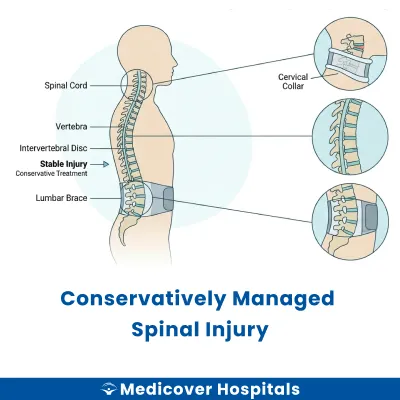
Conservatively managed spinal injury refers to the non-surgical treatment of injuries to the spine (backbone). This approach involves therapies like physical therapy, medication, and bracing. The goal is to allow the body to heal naturally without invasive procedures. It focuses on stabilizing the spine and reducing pain while promoting recovery.
This treatment is needed for conditions like minor fractures, sprains, or disc herniations. These conditions can cause pain and limit mobility. If left untreated, they may lead to chronic pain or further complications. Modern surgical approaches, such as minimally invasive spine surgery, are available if conservative management is not effective. These surgeries aim to correct spinal issues with less recovery time.
Conservatively Managed Spinal Injury Doctors Near You
Discover neurologists for conservatively managed spinal injuries at Medicover Hospitals across India. Choose your city and book a consultation to receive expert guidance and care tailored to your needs.
Why Choose Medicover Hospitals for Conservatively Managed Spinal Injury?
Get a second opinion from trusted experts and makeconfident, informed decisions.
 Get Second Opinion
Complete Guide To Conservatively Managed Spinal Injury
Everything you need to know about the procedure, preparation, and recovery
Conservatively managed spinal injury procedure Indications
Doctors recommend conservative management for spinal injuries when the condition is stable and not life-threatening. This approach is often chosen when symptoms can be controlled without surgery, allowing the body to heal naturally.
Mild Spinal Fractures
Patients may experience localized pain and tenderness. Imaging might show small fractures without significant displacement. Conservative treatment is preferred unless fractures worsen or cause neurological deficits.
Spinal Ligament Injuries
Symptoms include pain and limited mobility. Physical examination may reveal tenderness and swelling. MRI scans show ligament damage without spinal instability. Surgery is considered if instability develops.
Disc Herniation with Mild Symptoms
Patients report back pain and occasional tingling. MRI results show herniated discs without nerve compression. If symptoms persist or worsen despite conservative measures, surgery may be needed.
Stable Vertebral Compression Fractures
Patients often have back pain and reduced height. X-rays confirm compression fractures without spinal cord involvement. Surgery is considered if pain becomes unmanageable or neurological symptoms appear.
Chronic Back Pain without Structural Damage
Patients experience persistent pain without clear imaging abnormalities. Conservative management is tried first. Surgery is an option if pain significantly impacts quality of life and other treatments fail.
How to Prepare for Conservatively managed spinal injury?
Proper preparation is crucial for effectively managing a spinal injury conservatively. It ensures a smoother recovery and helps in reducing complications.
- Medication Review: Consult your doctor about stopping NSAIDs, anticoagulants, and herbal supplements to prevent bleeding risks.
- Fasting Guidelines: Typically, fasting is not required for conservative management, but follow any specific instructions from your healthcare provider.
- Physical Therapy: Engage in recommended exercises to strengthen the back and improve mobility, as advised by your physiotherapist.
- Comfortable Clothing: Wear loose, comfortable clothing to allow easy movement and access for any physical therapy sessions.
- Transportation: Arrange for someone to drive you to and from appointments, as you may have mobility restrictions.
- Medication List: Bring a list of current medications with dosages to all medical appointments for accurate record-keeping and advice.
- Home Setup: Prepare your home with necessary aids like grab bars or a raised toilet seat to facilitate easier movement.
- Follow-up Plan: Schedule follow-up appointments as advised to monitor progress and adjust treatment plans as needed.
Conservatively managed spinal injury procedure (Step-by-Step)
Conservative management of spinal injuries is supervised by experienced specialists from the Neurology department. Since this is a non-surgical treatment approach, recovery duration may vary from several weeks to months, depending on the severity of the spinal injury.
- Initial Assessment: The neurologist evaluates the spinal injury through physical examination and imaging tests like MRI or CT scans. The patient may feel some discomfort during movement tests.
- Immobilisation: A brace or cervical collar is used to limit spinal movement. This helps reduce pain and prevent further injury. The patient might feel restricted but should experience reduced pain.
- Pain Management: Medications such as NSAIDs or muscle relaxants are prescribed to manage pain and inflammation. The patient may experience relief from pain and improved mobility.
- Physical Therapy: A customised exercise program is developed to strengthen muscles and improve flexibility. The patient will participate in guided exercises, which may initially cause mild discomfort but lead to gradual improvement.
- Monitoring and Adjustments: Regular follow-ups are scheduled to monitor progress and adjust the treatment plan. The patient will discuss any changes in symptoms and may undergo additional imaging if needed.
- Education and Lifestyle Modifications: The patient receives guidance on posture, ergonomics, and activities to avoid. This helps prevent further injury and promote recovery.
Who Performs Conservatively managed spinal injury procedure?
Conservatively managed spinal injury procedures are overseen by a brain doctor. These specialists focus on non-surgical treatments and rehabilitation strategies to aid recovery. They work closely with physiotherapists and other healthcare professionals to ensure comprehensive care.
Recovery After Conservatively managed spinal injury procedure
Recovery from a conservatively managed spinal injury involves rest, gradual activity resumption, and dietary adjustments. The focus is on allowing the spine to heal naturally while maintaining overall health.
Day 1-3:
- Rest is crucial. Avoid any strenuous activities.
- Consume easy-to-digest foods like curd, dal-rice, and soups to maintain energy levels.
Day 4-7:
- Begin gentle movements as advised by your healthcare provider.
- Include moong dal and khichdi in your diet for protein and fibre.
- Stay hydrated and avoid heavy lifting.
Week 2-4:
- Gradually increase activity level, focusing on light exercises.
- Return to work or school if approved by your doctor, with modifications as needed.
- Continue a balanced diet with plenty of fruits and vegetables.
Month 1-3:
- Engage in physical therapy if recommended.
- Monitor for any discomfort during activities.
- Maintain a nutritious diet to support healing.
When to Seek Urgent Help
Contact your doctor if you experience severe pain, numbness, weakness in limbs, or loss of bladder/bowel control. These could indicate complications requiring immediate attention.
Benefits of Conservatively managed spinal injury procedure
Conservative management of spinal injuries focuses on non-surgical methods to aid recovery and improve quality of life.
- Non-Invasive: Avoids the risks associated with surgery.
- Cost-Effective: Generally less expensive than surgical options.
- Reduced Recovery Time: Patients often experience a quicker recovery than with surgical interventions.
- Lower Infection Risk: Minimizes the chance of infections that can occur with surgical procedures.
- Personalized Rehabilitation: Tailored physiotherapy and exercises to enhance mobility and strength.
Risks and Complications of Conservatively managed spinal injury procedure
While conservative management is generally safe, it is important to be aware of potential risks and complications.
- Common: Delayed recovery if the injury does not respond to non-surgical treatment.
- Common: Persistent pain or discomfort during the rehabilitation process.
- Rare: Progression of the injury if not monitored closely.
- Rare: Development of chronic pain if the initial injury is not adequately addressed.
- Rare: Potential for incomplete healing, requiring eventual surgical intervention.
Cost of Conservatively managed spinal injury procedure
The cost for a conservatively managed spinal injury procedure at Medicover Hospitals ranges from Rs. 17,000 to Rs. 40,000. The price varies depending on the ward category chosen, such as outpatient, day care, general, or private rooms.
We offer transparent pricing and support for insurance and TPA, including CGHS, ESI, and major TPAs. A cashless facility is also available to ease the financial process. Please contact the hospital for the latest insurance panel details as these may change periodically.
Frequently Asked Questions
1. How much does Conservatively managed spinal injury procedure cost at Medicover Hospitals?
The cost ranges from Rs. 17000 to Rs. 40000 across Medicover Hospitals, depending on the type of care and room selected.
2. Is Conservatively managed spinal injury procedure covered under health insurance at Medicover?
Coverage may be available through CGHS, ESI, and major TPAs. Please contact the hospital for current panel details.
3. Can I walk after a conservatively managed spinal injury?
Walking ability depends on the severity of the injury. Consult with your doctor for a personalised recovery plan.
4. Will I need physiotherapy post spinal injury?
Physiotherapy is often recommended to aid recovery and improve mobility. Your doctor will advise based on your specific condition.
5. Can I drive after a spinal injury?
Driving is usually restricted until your spine heals adequately. Discuss with your doctor when it's safe to resume driving.
6. What foods should I eat post spinal injury?
Consume a balanced diet including curd, dal-rice, and vegetables. Proper nutrition aids in recovery and overall health.
7. Will I experience pain after a spinal injury?
Some discomfort or pain is common during recovery. Your doctor can provide pain management options tailored to your needs.
8. What is a conservative treatment for the spine?
Conservative treatment for spine conditions includes rest, pain medications, physiotherapy, posture correction, and lifestyle modifications. It focuses on relieving symptoms and improving function without surgery.
9. When opening the airway of a patient with a suspected spinal injury?
In patients with suspected spinal injury, the airway should be opened using the jaw-thrust maneuver instead of the head-tilt method to avoid movement of the neck and prevent further spinal damage.
10. What are the 4 types of paralysis?
The four main types of paralysis are monoplegia (one limb), hemiplegia (one side of the body), paraplegia (both legs), and quadriplegia (all four limbs).
11. What is the recommended treatment for suspected neck and spinal injuries?
Initial treatment includes immobilization of the spine, maintaining airway and breathing, avoiding unnecessary movement, and urgent medical evaluation. Further treatment may involve medications, bracing, or surgery depending on the severity.


