 Call
Call Patient Reports
Best Common Bile Duct Repair Procedure Hospital with Advanced Care
At Medicover Hospitals, our expert surgical gastroenterologists, with qualifications like MS, DNB, and MCh, perform Common Bile Duct Repair using advanced laparoscopic techniques. This approach ensures smaller incisions and reduced blood loss, leading to a quicker recovery for patients across India.
Expert Surgeons
Yearly Surgeries
Patient Satisfaction
What is Common Bile Duct Repair?
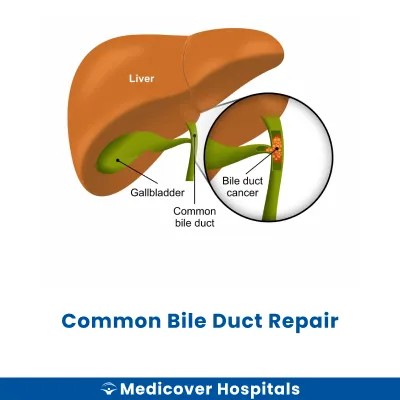
Common Bile Duct Repair is a surgical procedure to fix issues in the common bile duct. The common bile duct is a tube that carries bile from the liver and gallbladder to the small intestine. This procedure is crucial when the duct is blocked or damaged, affecting digestion and liver function.
This surgery is needed for conditions like bile duct stones, strictures (narrowing), or injuries. If untreated, these issues can lead to severe infections or liver damage. Modern surgical approaches include laparoscopic surgery (minimally invasive) and endoscopic techniques. These methods help in quicker recovery and less postoperative pain. Always consult a healthcare professional for the best treatment option.
Common Bile Duct Repair Doctors Near You
Find skilled gastroenterologists-surgical at Medicover Hospitals across India. Choose your city and book a consultation for common bile duct repair. Experience expert care close to home.
Why Choose Medicover Hospitals for Common Bile Duct Repair?
Get a second opinion from trusted experts and makeconfident, informed decisions.
 Get Second Opinion
Complete Guide To Common Bile Duct Repair
Everything you need to know about the procedure, preparation, and recovery
Common Bile Duct Repair Procedure Indications
Doctors recommend common bile duct repair when there are blockages or injuries affecting bile flow. This procedure helps restore normal bile drainage and alleviate associated symptoms.
Bile Duct Obstruction
Patients may experience jaundice, abdominal pain, and dark urine. Imaging tests like ultrasound or MRCP show blockages. When medications and non-surgical methods fail, surgery is needed.
Bile Duct Injury
Post-surgical complications can lead to bile leakage and abdominal pain. CT scans or ERCP reveal the injury. If conservative management does not resolve the issue, repair is necessary.
Choledocholithiasis
Symptoms include severe abdominal pain and nausea. Ultrasound or MRCP detects stones in the bile duct. When endoscopic removal is unsuccessful, surgical intervention is required.
Stricture Formation
Patients may have jaundice and recurrent cholangitis disease. Imaging shows narrowing of the bile duct. If dilation procedures do not work, surgical repair is advised.
Cholangitis
Fever, chills, and right upper quadrant pain are common. Blood tests show elevated white cell count, and imaging confirms infection. Surgery is considered when antibiotics and drainage fail.
How to Prepare for Common Bile Duct Repair?
Proper preparation is crucial for a successful common bile duct repair. It helps minimise complications and ensures a smoother recovery.
- Medication Review: Stop NSAIDs, anticoagulants, and herbal supplements as advised by your doctor.
- Fasting Requirement: Do not eat or drink anything for at least 8 hours before the surgery.
- Pre-Surgery Tests: Complete all blood tests, imaging, and other evaluations as instructed.
- Personal Items: Wear loose, comfortable clothing on the day of the surgery.
- Transportation: Arrange for someone to drive you home post-surgery.
- Medication List: Bring a list of all medications with dosages to the hospital.
- Smoking and Alcohol: Avoid smoking and alcohol for at least 24 hours before surgery.
- Hygiene: Take a shower and follow any specific cleaning instructions given by your healthcare provider.
Common Bile Duct Repair Procedure (Step-by-Step)
This procedure is performed by gastroenterologists-surgical. It typically lasts 2-4 hours and is done under general anaesthesia.
- Preparation: The patient is positioned on the operating table. General anaesthesia is administered to ensure the patient is asleep and pain-free.
- Incision: A small incision, usually 1-2 cm, is made in the abdomen to access the bile duct. A laparoscope is inserted for a clear view.
- Exploration: The surgeon uses a laparoscope to examine the bile duct. Instruments like a curette or harmonic scalpel may be used to clear obstructions.
- Repair: If a tear or blockage is found, the surgeon repairs it. This may involve suturing or using a stent to ensure proper bile flow.
- Closure: The incision is closed with sutures or surgical staples. The area is cleaned and dressed to prevent infection.
- Recovery: The patient is moved to a recovery room. Vital signs are monitored as the patient wakes from anaesthesia.
- Post-Procedure Care: Pain management and antibiotics may be administered. The patient is advised on dietary changes and follow-up visits.
Who Performs Common Bile Duct Repair Procedure?
This procedure is performed by Gastric Surgeon. They specialise in diagnosing and treating conditions of the gastrointestinal tract, including bile duct issues. Their expertise ensures precise handling of delicate structures during surgery.
Recovery After Common Bile Duct Repair Procedure
Recovery from a common bile duct repair procedure involves careful monitoring and gradual return to normal activities. Patients can expect some discomfort and will need to follow specific dietary and activity guidelines to ensure proper healing.
Day 1-3:
- Rest is crucial. Avoid any strenuous activities.
- Follow a liquid diet initially, including clear soups and broths.
- Stay hydrated and take prescribed medications as advised.
Day 4-7:
- Gradually introduce soft, easily digestible foods like curd, dal-rice, and khichdi.
- Continue to avoid fatty and spicy foods.
- Short walks are encouraged to improve circulation, but avoid heavy lifting.
Week 2-4:
- Begin incorporating more solid foods, such as moong dal and soft-cooked vegetables.
- Most patients can resume light work or school activities, but should avoid strenuous tasks.
- Regular follow-up appointments are important to monitor recovery progress.
Week 4-6:
- Gradually return to a normal diet while still avoiding overly rich or spicy foods.
- Resume normal activities as tolerated, but continue to listen to your body.
- Consult your doctor before resuming any vigorous exercise.
When to Seek Urgent Help
If you experience severe abdominal pain, fever, jaundice, or any signs of infection at the incision site, seek medical attention immediately. These could indicate complications that need prompt care.
Benefits of Common Bile Duct Repair Procedure
The common bile duct repair procedure can significantly improve a patient's quality of life by addressing bile duct issues.
- Relief from Symptoms: Alleviates pain and discomfort caused by bile duct obstructions.
- Improved Digestion: Restores normal bile flow, aiding in better digestion and nutrient absorption.
- Prevention of Complications: Reduces the risk of infections and other complications associated with bile duct blockages.
- Enhanced Liver Function: Supports liver health by ensuring proper bile drainage.
Risks and Complications of Common Bile Duct Repair Procedure
While the procedure is generally safe, it's important to be aware of potential risks and complications.
- Common: Infection at the surgical site.
- Common: Bleeding during or after the procedure.
- Rare: Injury to surrounding organs or tissues.
- Rare: Bile leakage, which may require additional intervention.
- Rare: Strictures or narrowing of the bile duct post-surgery.
- Rare: Adverse reaction to anaesthesia.
Cost of Common Bile Duct Repair Procedure
The cost of a Common Bile Duct Repair Procedure can vary Rs.65000 to 400000 based on factors like the surgical approach, duration of hospital stay, room category, required diagnostics, and post-operative care. At Medicover Hospitals, we ensure transparent pricing to help you plan your treatment effectively.
We offer insurance and TPA support, including CGHS, ESI, and major TPAs, with a cashless facility available for your convenience. Please contact the hospital for the latest insurance panel details as these may change periodically.
Frequently Asked Questions
1. How much does Common Bile Duct Repair cost?
Common Bile Duct Repair cost varies from Rs.65000 to
2. at Medicover Hospitals, please contact the hospital directly. 2. Is Common Bile Duct Repair covered under insurance?
Common Bile Duct Repair may be covered by CGHS, ESI, and major TPAs. Please contact the hospital for current panel details.
3. Can bile duct repair affect digestion?
Yes, after bile duct repair, you may experience changes in digestion. A diet of curd, dal-rice, and khichdi is often recommended.
4. Will I need a drainage tube after surgery?
A drainage tube may be placed temporarily to prevent fluid accumulation. It is usually removed within a few days post-surgery.
5. Is jaundice common after bile duct repair?
Jaundice can occur if there are complications affecting bile flow. It is important to monitor and report any yellowing of the skin or eyes.
6. Can I resume normal activities quickly?
You should avoid strenuous activities for at least 4-6 weeks. Light activities can typically be resumed after consulting your doctor.
7. What complications should I watch for?
Watch for signs of infection, bile leakage, or persistent pain. Contact your healthcare provider if you notice any unusual symptoms.


