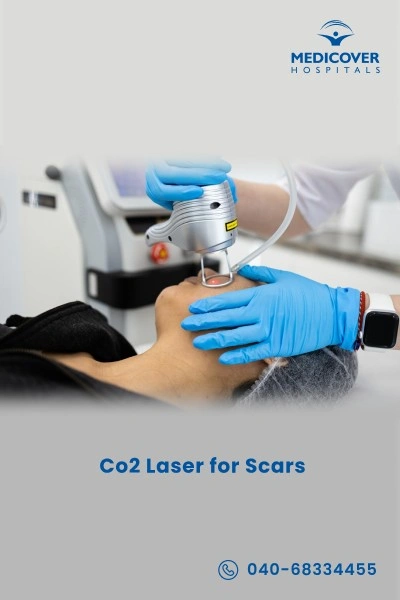
What is CO2 Laser Scar Treatment?
Scars, whether caused by acne, surgery, or injury, can often be a source of self-consciousness and affect one's self-esteem. Advances in medical technology have introduced innovative solutions for scar treatment, and one such method gaining prominence is the use of CO2 (carbon dioxide) lasers.
CO2 laser therapy offers a non-invasive or minimally invasive option to reduce the appearance of scars, improve skin texture, and enhance overall skin quality. This article delves into the details of CO2 laser for scars, its benefits, procedure, and considerations.
Advanced CO2 Laser Treatment Approaches
- Fractional CO2 Laser: Treats small zones, faster healing, less downtime
- Traditional CO2 Laser: Deeper resurfacing for severe scars
- Customized Settings: Intensity adjusted for each patient's scar type
30 to 60 Minutes
Surgery Duration
Topical Numbing Creams
Anesthesia Used
3-6 Sessions
Full Recovery Timeline
When is CO2 Laser Treatment Recommended?
Indications of CO2 Laser for Scars are based on the type and severity of the scar, as well as the patient's skin condition. This treatment is often recommended when:
- Acne Scars: CO2 laser therapy can be particularly effective for treating deep and pitted acne scars. It helps to smooth out the skin's surface by removing damaged layers of skin and stimulating the production of new collagen, which leads to improved texture and reduced scar visibility.
- Surgical Scars: Surgical scars, especially those that are raised, red, or hypertrophic, can benefit from CO2 laser treatment. The laser can help to soften and flatten the scar tissue, reducing its prominence and improving its color.
- Traumatic Scars: Scars resulting from accidents, injuries, or trauma can be targeted with CO2 laser therapy. The laser's ability to resurface the skin and stimulate collagen can help soften and blend the scar with the surrounding tissue.
- Textural Irregularities: CO2 laser can address textural irregularities in the skin, including raised or depressed scars. By removing the damaged outer layers of skin, the laser encourages smoother skin regeneration.
- Skin Discoloration: CO2 laser treatment can also improve skin discoloration that often accompanies scars. It helps to stimulate the growth of new, evenly pigmented skin cells, leading to a more uniform skin tone.
- Fine Lines and Wrinkles: While the primary focus is on scar treatment, CO2 laser therapy can also help reduce the appearance of fine lines and wrinkles, leading to an overall improvement in skin texture and quality.
- Age and Sun Damage: CO2 laser treatment can address the effects of aging and sun damage, improving the skin's elasticity and tone. This can contribute to an overall more youthful appearance.
How to prepare for CO2 Laser for Scars?
Getting ready for CO2 laser treatment for acne scars helps ensure safe and effective results. Here are the key steps:
- Medical Evaluation: Your dermatologist will review your skin type, scar condition, and medical history.
- Avoid Sun Exposure: Stay out of direct sunlight for at least 2-4 weeks before treatment to reduce the risk of complications.
- Stop Certain Medications: Inform your doctor about any medicines you take. Blood thinners, acne medications, or supplements may need to be adjusted.
- Skin Care Routine: You may be advised to use special creams (like retinoids or bleaching creams) before the procedure to prepare your skin.
- No Smoking or Alcohol: Avoid smoking and drinking alcohol at least 1-2 weeks before, as they delay healing.
- Antiviral Medication: If you have a history of cold sores, your doctor may prescribe antivirals to prevent flare-ups.
- Fasting/Anesthesia Guidance: Depending on whether sedation is used, you may be asked to avoid food or drinks a few hours before treatment.
- Plan Recovery Support: Arrange for someone to accompany you home and help during the first 24-48 hours if needed.
CO2 Laser Treatment Procedure
The CO2 laser treatment for acne scars is usually done in a dermatologist's clinic or hospital setting. The steps may include:
What will happen during CO2 Laser for Scars?
- Cleansing and Numbing: Before the procedure begins, the treatment area is thoroughly cleansed to remove any dirt, oil, or makeup. Depending on the intensity of the treatment and the patient's pain tolerance, a topical numbing cream may be applied to the skin to minimize discomfort during the procedure.
- Eye Protection: To protect the eyes from the laser's intense light, the patient and the medical team will wear specialized eye shields or goggles.
- Laser Application: The actual CO2 laser treatment process involves the following steps:
- Laser Emission: The medical professional uses a handheld CO2 laser device to emit controlled and highly focused beams of light energy.
- Ablation: The laser energy is applied to the scarred area, where it vaporizes the damaged top layers of skin. This controlled ablation prompts the body's natural healing process and encourages the growth of new, healthier skin cells.
- Collagen Stimulation: The laser's energy also stimulates collagen and elastin production in the deeper layers of the skin. Collagen is essential for skin elasticity and a smoother texture.
- Precision and Customization: The medical professional can adjust the intensity and depth of the laser based on the specific scar type, severity, and the patient's individual needs. This customization ensures precise targeting while minimizing damage to surrounding healthy tissue.
- Duration: The duration of the procedure varies depending on the size of the treatment area and the depth of the laser treatment. Smaller areas may take as little as 15-30 minutes, while larger areas might require more time.
- Cooling and Soothing: Some CO2 laser devices incorporate cooling mechanisms to minimize heat and discomfort during the procedure. After each pass of the laser, a cooling sensation might be felt to soothe the skin.
- Post-Procedure Care: Once the laser treatment is complete, the medical professional may apply a soothing ointment to the treated area. This helps protect the skin and promote healing.
- Recovery Instructions: The patient will receive detailed post-procedure care instructions, including information on how to care for the treated area, what to expect during the recovery process, and how to manage any potential side effects.
- Follow-Up Appointments: Depending on the intensity of the treatment and the patient's individual response, multiple sessions might be recommended for optimal results. Follow-up appointments will be scheduled to monitor progress and discuss the need for additional sessions.
- Healing Process: After the procedure, the skin will be raw and may appear red, swollen, and slightly irritated. Over the next several days to weeks, the treated area will gradually heal, revealing smoother and rejuvenated skin.
- Results: As the skin heals, the appearance of scars should improve, and the overall texture and quality of the skin will likely become smoother and more even
Who will perform CO2 Laser Treatment?
The CO2 laser treatment for scars is usually performed by:
- Dermatologists are specialists in skin care and scar management.
- Plastic Surgeons: Experts in reconstructive and cosmetic procedures who often use CO2 lasers for scar revision.
- Cosmetic Surgeons: Focus on aesthetic improvements and may use advanced laser technology for better cosmetic results.
It's important that the procedure is done by a qualified and experienced specialist who is trained in laser treatments to ensure safety and achieve the best outcomes.
Recovery after CO2 Laser for Scars Procedure
Recovery after CO2 laser treatment for acne scars depends on the depth of the procedure and individual healing. Here's what to expect:
- Redness and Swelling: The treated area may appear red, swollen, and feel like a sunburn for a few days.
- Peeling and Crusting: The skin may peel or form a light crust as it heals within 5-10 days.
- Moisturization: Applying prescribed ointments or creams helps keep the area moist and speeds up healing.
- Sun Protection: The new skin is very sensitive, so sunscreen and protective measures are essential.
- Downtime: Most people can return to work or normal routines in 1-2 weeks, depending on the treatment depth.
- Final Results: Improvements in scar appearance become more noticeable over the next 3-6 months as new collagen forms.
Lifestyle changes after CO2 Laser for Scars
After CO2 laser treatment, certain lifestyle changes such as sun protection, skincare routines, and avoiding harsh products are essential to ensure proper healing and long-lasting results.
- Follow Skincare Routine: Use gentle cleansers and prescribed creams to support healing.
- Sun Protection: Always apply sunscreen, as treated skin is more sensitive to sunlight.
- Avoid Harsh Products: Stay away from exfoliants, retinoids, or strong chemicals until cleared by your doctor.
- Stay Hydrated: Drink plenty of water to keep your skin healthy and promote healing.
- Healthy Diet: Eat foods rich in vitamins and proteins to help skin repair faster.
- No Smoking or Alcohol: These can slow down the healing process and affect results.
- Avoid Scratching or Picking: Let the skin heal naturally to prevent new scars.
- Stress Management: Chronic stress can negatively affect your skin's health and healing. Practice stress-reduction techniques such as meditation, yoga, or deep breathing.
Benefits of CO2 Laser Treatment for Scars
CO2 laser treatment offers several benefits, including smoother skin texture, reduced scar visibility, improved confidence, and minimal downtime compared to traditional surgical options.
- Improved Appearance: Reduces the visibility of scars by resurfacing and smoothing the skin.
- Stimulates Collagen Production: Encourages natural skin repair for long-term improvement.
- Precision Treatment: Targets only the scar tissue without harming surrounding skin.
- Versatile Use: Effective for acne scars, surgical scars, burn scars, and uneven skin texture.
- Minimally Invasive: Provides noticeable results without the need for major surgery.
Risks of CO2 Laser for Scars
Like any medical procedure, CO2 laser has potential risks such as skin redness, swelling, temporary skin sensitivity, pigmentation changes, or, in rare cases, infection.
- Redness and Swelling: Common temporary effects after the procedure.
- Infection: Rare, but possible if aftercare instructions are not followed.
- Pigmentation Changes: The treated area may become lighter or darker than the surrounding skin.
- Scarring: Very rare, but can occur if the skin doesn't heal properly.
- Prolonged Healing in Some Cases: Deeper treatments may take longer to recover.
CO2 Laser Treatment Cost in India
The CO2 laser treatment cost in India varies depending on the size, depth, and number of scars being treated, as well as the clinic's location and expertise. On average, it ranges from Rs. 10,000 to Rs. 50,000 per session in India. Multiple sessions may be required for optimal results. The price includes consultation, laser procedure, and basic post-treatment care, but additional costs for medications or specialized aftercare may apply.
 040 68334455
 WhatsApp
 Patient Portal
 Home Care