 Call
Call Patient Reports
Clubfoot Soft Tissue Release Surgery Surgery by Expert Orthopedics
Clubfoot Soft Tissue Release Surgery at Medicover Hospitals is performed using an open surgical approach. Our team of orthopaedic specialists, with qualifications like MS and DNB, ensures precise intervention. This procedure typically results in improved foot alignment and function, contributing to enhanced mobility.
Expert Surgeons
Yearly Surgeries
Patient Satisfaction
What is Clubfoot Soft Tissue Release Surgery?
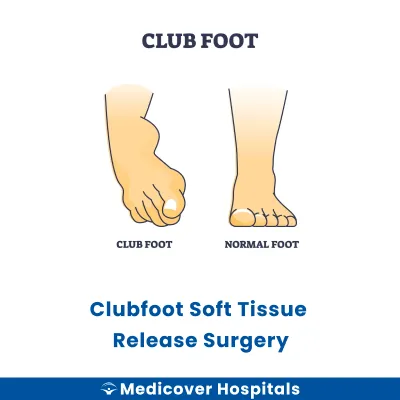
Clubfoot Soft Tissue Release Surgery is a medical procedure aimed at correcting clubfoot, a congenital deformity affecting the foot and ankle. In this condition, the foot points downward and inward. The surgery involves releasing tight tendons and ligaments (soft tissues) to allow the foot to be positioned correctly. This helps improve the foot's alignment and function.
This surgery is necessary when non-surgical methods, like casting, do not fully correct the deformity. Clubfoot can lead to difficulty in walking and pain if left untreated. Modern surgical approaches include minimally invasive techniques and the Ponseti method, which may involve limited soft tissue release. These methods aim to improve outcomes and reduce recovery time.
Clubfoot Soft Tissue Release Surgery Doctors Near You
Find skilled orthopedics for clubfoot soft tissue release surgery at Medicover Hospitals across India. Choose your city and book a consultation to discuss treatment options with our specialists.
Why Choose Medicover Hospitals for Clubfoot Soft Tissue Release Surgery?
Get a second opinion from trusted experts and makeconfident, informed decisions.
 Get Second Opinion
Complete Guide To Clubfoot Soft Tissue Release Surgery
Everything you need to know about the procedure, preparation, and recovery
Clubfoot Soft Tissue Release Surgery Indications
Doctors recommend Clubfoot Soft Tissue Release Surgery when non-surgical treatments do not correct the foot's position. This procedure is considered to improve mobility and alignment in severe cases.
Severe Foot Deformity
Patients may experience difficulty walking due to the inward turning of the foot. On examination, the foot appears rigid and twisted. Surgery is advised when casting and bracing fail to improve alignment.
Persistent Rigidity
Some patients report stiffness and limited foot movement. Doctors find that the foot remains inflexible despite stretching exercises. Surgery is considered when physical therapy does not restore flexibility.
Recurrent Deformity
Patients may notice a return of the deformity after initial correction. Doctors observe a relapse in the foot's position on follow-up visits. Surgery is recommended when repeated casting does not maintain correction.
Pain and Discomfort
Patients often experience pain while walking or standing. Examination reveals pressure sores or calluses due to abnormal foot position. Surgery is suggested when pain persists despite orthotic support.
Functional Impairment
Some individuals have difficulty performing daily activities due to foot misalignment. Doctors note a significant impact on gait and balance. Surgery becomes necessary when conservative measures do not improve function.
Please contact the hospital for current details as insurance panels may change.
How to Prepare for Clubfoot Soft Tissue Release Surgery?
Proper preparation is crucial for a smooth Clubfoot Soft Tissue Release Surgery and recovery. It helps minimise complications and ensures the best possible outcome.
- Medication Review: Stop NSAIDs, anticoagulants, and herbal supplements 1 week before surgery.
- Fasting Instructions: Do not eat or drink anything for at least 6 hours before the surgery.
- Clothing: Wear loose, comfortable clothing on the day of the surgery for easy dressing post-operation.
- Transport Arrangement: Arrange for someone to drive you home after the surgery, as you may feel drowsy.
- Medication List: Bring a list of all medications you are taking, including dosages, to the hospital.
- Pre-Surgery Hygiene: Bathe with antibacterial soap the night before to reduce infection risk.
- Pre-Op Consultation: Attend all scheduled pre-operative appointments to discuss any concerns.
- Home Preparation: Set up a comfortable resting area at home for post-surgery recovery.
Clubfoot Soft Tissue Release Surgery (Step-by-Step)
Overview: Clubfoot Soft Tissue Release Surgery is performed by orthopaedic surgeons. The procedure typically lasts 1 to 2 hours and is done under general anaesthesia to ensure the patient is asleep and pain-free.
- Preparation: The patient is positioned on the operating table. General anaesthesia is administered to ensure comfort and immobility during the surgery.
- Incision: A small incision, usually 1-2 cm, is made on the inner side of the foot. This allows access to the soft tissues that need to be released.
- Soft Tissue Release: Using surgical instruments like a scalpel and curette, the surgeon carefully releases the tight tendons and ligaments. This step helps in correcting the foot's alignment.
- Realignment: The foot is gently manipulated into a more natural position. This may involve adjusting the bones and joints to ensure proper alignment.
- Stabilization: Once the desired position is achieved, the foot is stabilized using pins or a cast. This helps maintain the correction as the tissues heal.
- Closure: The incision is closed with sutures. A sterile dressing is applied to protect the wound and aid in healing.
- Recovery: The patient is moved to a recovery area. As the anaesthesia wears off, they may experience some discomfort, which can be managed with medication.
Who Performs Clubfoot Soft Tissue Release Surgery?
Orthopaedic surgeons, who specialise in musculoskeletal conditions, perform this surgery. They have expertise in correcting foot deformities and ensuring proper function and alignment.
Recovery After Clubfoot Soft Tissue Release Surgery
Recovery from Clubfoot Soft Tissue Release Surgery involves careful management to ensure proper healing and function. Parents and caregivers play a crucial role in following post-operative instructions to aid the child's recovery.
Day 1-3:
- Child may experience mild discomfort and swelling. Pain relief medications will be provided.
- Keep the leg elevated to reduce swelling.
- Encourage light movements of toes to promote circulation.
Day 4-7:
- Continue with prescribed medications and elevation.
- Ensure the cast remains dry and intact.
- Introduce soft, easy-to-digest foods like curd, dal-rice, and soups to maintain nutrition.
Week 2-4:
- Follow-up appointment to check healing and possibly adjust the cast.
- Gradually introduce more solid foods like khichdi and moong dal.
- Child may start gentle activities but avoid putting weight on the affected foot.
Month 1-3:
- Physiotherapy may begin to improve mobility and strength.
- Child can return to school, ensuring minimal physical activity.
- Regular check-ups to monitor progress and remove the cast when appropriate.
When to Seek Urgent Help
- Severe pain not relieved by medication.
- Fever or signs of infection like redness or pus around the cast.
- Numbness or bluish discoloration of toes.
Benefits of Clubfoot Soft Tissue Release Surgery
Clubfoot Soft Tissue Release Surgery is a procedure aimed at correcting foot deformities in children. It offers several advantages for improved mobility and foot function.
- Improved Foot Alignment: Helps in achieving a more natural foot position.
- Enhanced Mobility: Increases the range of motion, allowing for better walking ability.
- Pain Reduction: Alleviates discomfort associated with clubfoot deformities.
- Long-term Benefits: Reduces the likelihood of future corrective surgeries.
Risks and Complications of Clubfoot Soft Tissue Release Surgery
While the surgery is generally safe, it does carry potential risks and complications. It's important to be aware of these before proceeding.
Common Risks
- Swelling and bruising around the surgical site.
- Temporary stiffness in the foot and ankle.
Rare Risks
- Infection at the incision site.
- Nerve damage leading to numbness.
- Recurrence of the deformity requiring additional treatment.
- Delayed wound healing.
Cost of Clubfoot Soft Tissue Release Surgery
The cost of Clubfoot Soft Tissue Release Surgery at Medicover Hospitals varies depending on the ward category chosen. Prices range from ₹20,000 to ₹45,000. The cost structure is designed to be transparent, ensuring patients understand the expenses involved.
We offer support for insurance and TPA, including CGHS, ESI, and major TPAs, with cashless facilities available for a hassle-free experience. Please contact the hospital for the latest insurance panel details as these may change periodically.
Frequently Asked Questions
1. How much does Clubfoot Soft Tissue Release Surgery cost?
The cost of Clubfoot Soft Tissue Release Surgery at Medicover Hospitals ranges from ₹20,000 to ₹45,000, depending on the type of accommodation chosen.
2. Is Clubfoot Soft Tissue Release Surgery covered by insurance?
Clubfoot Soft Tissue Release Surgery may be covered by CGHS, ESI, and major TPAs with cashless options. Please contact the hospital for current panel details.
3. Can my child walk immediately after Clubfoot surgery?
After Clubfoot Soft Tissue Release Surgery, your child will need to rest and avoid weight-bearing activities for a few weeks to ensure proper healing.
4. Will my child need a cast after Clubfoot surgery?
Yes, a cast is typically applied after Clubfoot Soft Tissue Release Surgery to maintain the corrected position and aid in the healing process.
5. Can Clubfoot recur after surgery?
While recurrence is possible, proper post-operative care and follow-up with your doctor can help minimise the risk of Clubfoot returning.
6. What exercises are recommended post-Clubfoot surgery?
Gentle stretching and strengthening exercises, as advised by a physiotherapist, are crucial after Clubfoot Soft Tissue Release Surgery to improve mobility and function.
7. What foods should my child eat after Clubfoot surgery?
Post-surgery, a balanced diet including dal-rice, khichdi, and curd can support recovery and provide necessary nutrients for healing.


