 Call
Call Patient Reports
Closed Heart Valvotomy Surgery by Expert Cardiologists
Closed Heart Valvotomy at Medicover Hospitals is performed using the open surgical approach by our skilled cardiologists with DM and DNB qualifications. This procedure helps treat valve disorders effectively. Patients often experience shorter hospital stays and smaller incisions, enhancing recovery across India.
Expert Surgeons
Yearly Surgeries
Patient Satisfaction
What is Closed Heart Valvotomy?
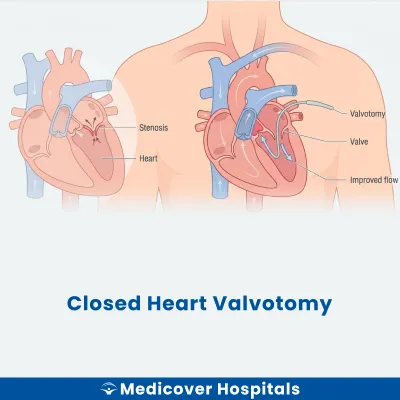
Closed Heart Valvotomy is a surgical procedure involving the heart. It is performed to treat stenosis (narrowing) of the heart valves. The surgery aims to widen the valve opening without using a heart-lung machine. This allows better blood flow through the heart. The procedure focuses on the mitral valve, located between the left atrium and left ventricle.
This surgery is needed when valve stenosis restricts blood flow, causing symptoms like breathlessness and fatigue. If left untreated, it can lead to heart failure or other complications. Conditions like rheumatic heart disease often necessitate this procedure. Modern approaches include minimally invasive techniques and balloon valvuloplasty. These methods offer alternatives to traditional open-heart surgery.
Closed Heart Valvotomy Doctors Near You
Find experienced CTVS Doctors for closed heart valvotomy at Medicover Hospitals across India. Choose your city and book a consultation to explore your treatment options with our specialists.
Why Choose Medicover Hospitals for Closed Heart Valvotomy?
Get a second opinion from trusted experts and makeconfident, informed decisions.
 Get Second Opinion
Complete Guide To Closed Heart Valvotomy
Everything you need to know about the procedure, preparation, and recovery
Closed Heart Valvotomy Surgery Indications
Closed heart valvotomy is recommended when heart valve narrowing affects blood flow and symptoms worsen. Cardiologists suggest this procedure when non-surgical treatments do not relieve symptoms.
Severe Mitral Stenosis
Patients experience shortness of breath, fatigue, and palpitations. Echocardiograms show significant narrowing of the mitral valve. When medications and lifestyle changes fail, surgery is considered.
Critical Aortic Stenosis
Symptoms include chest pain, fainting, and breathlessness. Diagnostic tests reveal severe narrowing of the aortic valve. Surgery is advised when symptoms persist despite medical management.
Rheumatic Heart Disease
Patients suffer from joint pain, fever, and heart murmurs. Echocardiography shows valve thickening and restricted movement. Surgery is needed when symptoms do not improve with medication.
Congenital Valve Defects
Infants may show poor feeding, rapid breathing, and cyanosis. Imaging reveals valve abnormalities affecting blood flow. Surgery is necessary when symptoms are severe and unresponsive to other treatments.
Recurrent Embolic Events
Patients experience repeated strokes or transient ischemic attacks. Tests indicate valve-related blood clots. Surgery is recommended when anticoagulants are ineffective in preventing emboli.
How to Prepare for Closed Heart Valvotomy?
Proper preparation for a Closed Heart Valvotomy is crucial to ensure a smooth procedure and recovery. It helps in minimizing risks and enhances the effectiveness of the surgery.
- Medication Review: Stop NSAIDs, anticoagulants, and herbal supplements as advised by your doctor to reduce bleeding risk.
- Fasting Guidelines: Fast for at least 8 hours before the procedure to prepare for anaesthesia.
- Pre-Surgery Tests: Complete all required blood tests, ECG, and imaging studies as scheduled.
- Clothing: Wear loose, comfortable clothing on the day of the surgery for ease and comfort.
- Transportation: Arrange for someone to drive you home post-surgery, as you may feel drowsy.
- Medication List: Bring a detailed list of your current medications, including dosages, for hospital records.
- Pre-Op Instructions: Follow any specific instructions given by your healthcare provider regarding pre-surgery care.
- Hydration: Stay well-hydrated the day before the surgery, unless advised otherwise.
Closed Heart Valvotomy Surgery (Step-by-Step)
Overview: Closed heart valvotomy is performed by cardiologists. The procedure typically lasts 1-2 hours and is done under general anaesthesia.
- Preparation: The patient is given general anaesthesia to ensure they are asleep and pain-free during the procedure. Vital signs are monitored closely.
- Incision: A small incision, about 1-2 cm, is made in the chest to access the heart. The area is sterilized to prevent infection.
- Accessing the Heart: A trocar is inserted through the incision to reach the heart valve. This allows the surgeon to work without opening the chest fully.
- Valve Dilation: A balloon catheter is threaded through the trocar to the narrowed valve. The balloon is inflated to widen the valve opening, improving blood flow.
- Instrument Removal: The balloon catheter and trocar are carefully removed. The incision is closed with sutures or surgical glue.
- Recovery: The patient is moved to a recovery room. They are monitored as they wake from anaesthesia. Pain management and vital sign checks continue.
- Post-Procedure Care: The patient may stay in the hospital for observation. Instructions for home care and follow-up appointments are provided.
Who Performs Closed Heart Valvotomy Surgery?
Closed heart valvotomy is performed by cardiothoracic surgeons. These specialists are trained in heart surgeries and use precise techniques to treat valve conditions.
Recovery After Closed Heart Valvotomy Surgery
Recovery from closed heart valvotomy surgery involves gradual healing and lifestyle adjustments. Patients can expect to spend some time in the hospital, followed by a period of rest at home. Monitoring and follow-up are crucial to ensure a smooth recovery.
Day 1-3:
- Hospital stay for monitoring vital signs and heart function.
- Begin with a liquid diet, gradually introducing soft foods like soups and dal-rice.
- Minimal physical activity; rest is essential.
Day 4-7:
- Discharge from the hospital is likely if stable.
- Continue with a soft diet including khichdi, moong dal, and curd.
- Light activities like walking around the house are encouraged.
Week 2-4:
- Gradual increase in physical activity; avoid strenuous exercises.
- Return to a balanced diet; include fruits, vegetables, and lean proteins.
- Most patients can resume work or school, depending on their recovery progress.
Month 2-3:
- Regular follow-up appointments to monitor heart function.
- Resume normal activities, but avoid heavy lifting or intense workouts.
- Continue a heart-healthy diet to support recovery.
When to Seek Urgent Help
- Sudden chest pain or shortness of breath.
- Irregular heartbeat or palpitations.
- Swelling in the legs or ankles.
- Fever or signs of infection at the incision site.
Benefits of Closed Heart Valvotomy Surgery
Closed heart valvotomy is a surgical procedure aimed at improving heart valve function. It offers several benefits for patients with valve stenosis.
- Improved Blood Flow: Enhances the flow of blood through the heart by relieving valve obstruction.
- Symptom Relief: Reduces symptoms like breathlessness and fatigue, improving quality of life.
- Minimally Invasive: Involves smaller incisions compared to open-heart surgery, leading to quicker recovery.
- Reduced Hospital Stay: Patients often experience shorter hospitalisation periods.
Risks and Complications of Closed Heart Valvotomy Surgery
While closed heart valvotomy can be beneficial, it also carries potential risks. Understanding these risks is important for informed decision-making.
Common Risks
- Bleeding: Bleeding can occur during or after the procedure.
- Infection: Risk of infection at the incision site or internally.
- Arrhythmias: Irregular heartbeats may occur post-surgery.
Rare Risks
- Valve Damage: Potential for damage to the heart valve during the procedure.
- Stroke: Risk of stroke due to blood clots forming during surgery.
- Heart Block: May require a pacemaker if the heart's electrical system is affected.
Cost of Closed Heart Valvotomy Surgery
The cost of Closed Heart Valvotomy Surgery at Medicover Hospitals ranges from ₹70,000 to ₹6,00,000. The price varies depending on the ward category chosen, such as general, private, or deluxe. We offer transparent pricing and support for insurance and TPA, including CGHS, ESI, and major TPAs. A cashless facility is also available for your convenience. Please contact the hospital for the latest insurance panel details as these may change periodically.
Frequently Asked Questions
1. How much does Closed Heart Valvotomy cost?
The cost of Closed Heart Valvotomy surgery at Medicover Hospitals ranges from ₹70,000 to ₹6,00,000, depending on the type of room chosen.
2. Is Closed Heart Valvotomy covered under insurance?
Closed Heart Valvotomy surgery may be covered by CGHS, ESI, and major TPAs, with cashless options available. Please contact the hospital for current panel details.
3. Will I experience chest pain after valvotomy?
Some patients may experience mild chest discomfort after Closed Heart Valvotomy. This usually subsides within a few days with prescribed medication.
4. Can I resume exercise after heart valvotomy?
Light activities can be resumed after 4-6 weeks post-surgery. Consult your doctor before engaging in strenuous exercises to ensure safe recovery.
5. Will my heart valve need replacement later?
Closed Heart Valvotomy improves valve function but doesn't prevent future issues. Regular follow-ups are essential to monitor valve health and decide on further interventions.
6. Can I eat spicy food after heart valvotomy?
It's advisable to avoid spicy foods like curries initially. Opt for bland meals such as dal-rice or khichdi for a few weeks post-surgery.
7. Will I need blood thinners after valvotomy?
Blood thinners may be prescribed to prevent clots after Closed Heart Valvotomy. Follow your doctor's instructions regarding medication and dosage.


